
Last updated October 16, 2026
 Water damage drying
 Fire & smoke cleanup
 Mold remediation
 Storm response
 Sewage cleanup
 Reconstruction
Free visual inspection and a written scope of work before any mitigation begins - photos, moisture readings, and drying logs go in your claim file
The scope we write is the scope we bill. Anything new gets shown to you, in writing, before we touch it.
Get your free estimateDamage Restoration Cost Breakdown: The Fort Worth Homeowner’s Reference for 2026
The most misunderstood line item on a Fort Worth restoration invoice is “applied structural drying.” Depending on the number of air movers, dehumidifiers, and days on-site, it can range from $600 to $4,000. Most homeowners approve that charge without knowing what it covers, how long it should take, or how to verify it was actually performed. This guide explains the cost structure of water, mold, and fire restoration in Fort Worth so you can read an estimate the way a contractor reads it: line by line, knowing what each charge means and what fair pricing looks like in 2026. For Damage Restoration Warning Signs: A Fort Worth Homeowner’s Reference Guide, see our companion resource.
Quick Answer
Water damage restoration in Fort Worth typically costs between $1,800 and $7,500 for a standard single-room event, with structural drying alone accounting for $600 to $4,000 depending on equipment count and days on-site. Mold remediation runs $1,500 to $6,000 per affected area in most Fort Worth homes. Fire damage restoration ranges from $3,000 for a small kitchen fire to $25,000+ for whole-home smoke and soot remediation. These are 2026 market ranges, not quotes: your actual number depends on water category, square footage affected, and whether the damage touched structural framing.
Restoration work we handle
Table of Contents
- The Anatomy of a Fort Worth Restoration Invoice
- Category 1, 2, and 3 Water Losses: What They Cost and Why It Matters
- How Xactimate Pricing Works (and Where Contractors Deviate)
- What a Written Price Before Work Begins Actually Protects
- Reading a Scope of Work Against a Final Invoice
- Mold Remediation and Fire Damage: Fort Worth Cost Ranges
- Common Mistakes to Avoid
- When to Call a Professional
- Frequently Asked Questions
The Anatomy of a Fort Worth Restoration Invoice
Every restoration invoice in Fort Worth, whether from a national franchise or an independent shop, is built from the same six categories. Some of them get combined or renamed, but the underlying work does not change. Here is what each category covers and what 2026 pricing looks like in Tarrant County.
Extraction. This is the first physical step: removing standing water with truck-mounted or portable extraction units. In Fort Worth, this typically runs $400 to $1,200 depending on how much water is present and how many rooms are involved. Extraction is priced by the square foot of affected area plus an equipment mobilization fee. If you catch a supply-line leak within an hour or two, extraction might be the only category you need. If a drain line backed up overnight, extraction cost goes up because the water had time to spread.
Containment. Plastic sheeting, negative air pressure, and sealing off unaffected rooms. This ranges from $250 to $900. It is more common in mold jobs and Category 3 (black water) events, where cross-contamination is a genuine risk. In Fort Worth’s older pier-and-beam homes, containment often includes sealing crawl space access points, which adds labor time.
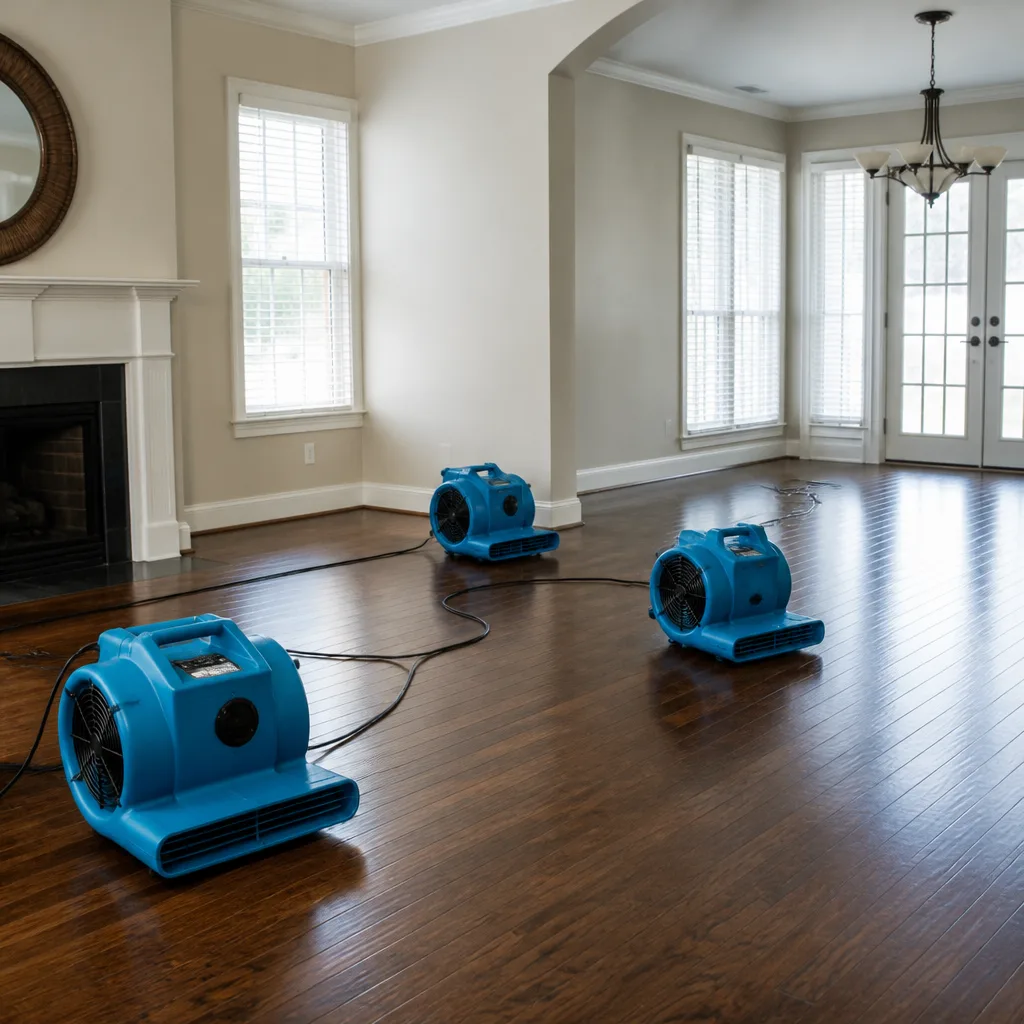
Applied Structural Drying. Here is the line item that surprises people. Applied structural drying is the daily cost of running professional air movers and dehumidifiers until affected materials reach a dry standard. The national average is $600 to $4,000, but Fort Worth’s climate shapes this number. Our humidity from April through October means drying takes longer than it does in, say, Phoenix. A 120-square-foot water loss in the Ryan Place neighborhood might need 10 air movers and 2 dehumidifiers running for 3 days. That is roughly $1,800 to $2,400 in equipment rental alone. Flooring that traps moisture, like vinyl over concrete slab, extends drying time and raises this line item.
Antimicrobial Treatment. Applying EPA-registered antimicrobial agents to affected surfaces to prevent mold growth. This runs $200 to $800 per treatment area. On a Category 1 clean-water loss, some contractors skip this step. On Category 2 or 3, it is not optional. We apply pet-safe antimicrobials where there is a choice, because families ask us to.
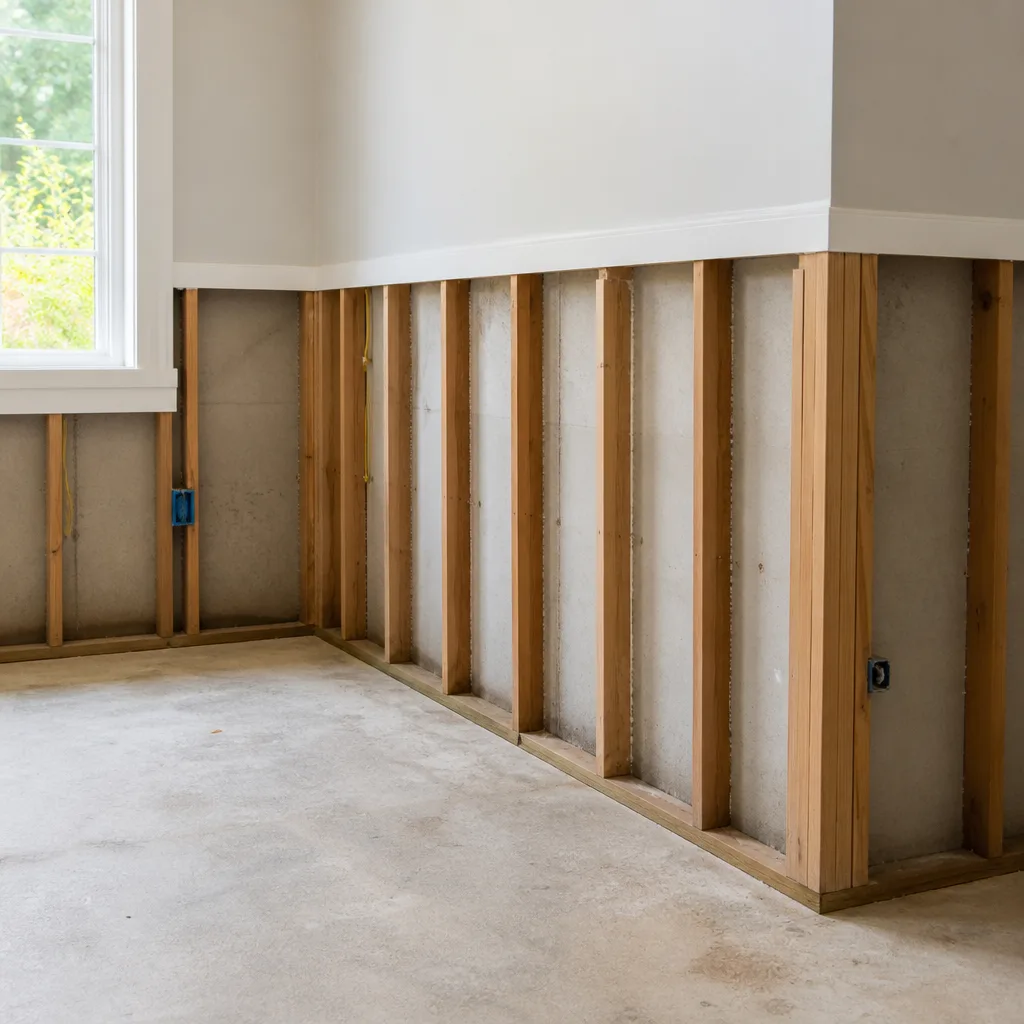
Demolition. Removing drywall, baseboards, flooring, and insulation that cannot be dried. In Fort Worth, demolition for a typical water loss runs $500 to $2,500. Drywall is cheap. Labor is not. The cost driver in demolition is not material disposal, it is the precision required to cut back cleanly so rebuild starts from a straight edge.
Rebuild. Replacing what was removed. This is the widest range: $1,000 to $10,000+ for a single room, depending on finish level. A 100-year-old Fairmount bungalow costs more to rebuild correctly than a 2015 tract home in Alliance, because matching plaster walls, original baseboard profiles, and hardwood flooring takes skilled labor. This category is why some restoration companies bill themselves as “full service”: they handle the drying and the rebuild, so the homeowner deals with one scope and one invoice.
Category 1, 2, and 3 Water Losses: What They Cost and Why It Matters
The Institute of Inspection, Cleaning and Restoration Certification (IICRC) divides water damage into three categories. The category determines what can be dried, what must be removed, and how much antimicrobial treatment is required. It is also the single largest cost driver on a Fort Worth restoration invoice, because it changes the entire scope.
Category 1 (Clean Water). Water from a broken supply line, a failed water heater, or an overflowing bathtub with no contaminants. This is the least expensive category to remediate. Most affected materials can be dried in place. A single-room Category 1 loss in Fort Worth typically costs $1,800 to $4,000 when caught within 24 hours. In our experience, supply line failures on the second floor of Benbrook and southwest Fort Worth homes are the most common Category 1 event, and they are also the most likely to drip down into ceiling cavities and become a two-room job before anyone notices.
Category 2 (Gray Water). Water with significant contamination: washing machine discharge, dishwasher overflow, toilet overflow without solid waste. This water can cause illness if ingested. More materials must be removed rather than dried. Costs run $3,000 to $7,000 for a typical single-room event. Carpet pad is almost always removed and replaced. Baseboards are often pulled to check the wall cavity behind them. Where a Category 1 loss might need 3 days of drying, a Category 2 loss in a Fort Worth summer might need 5 to 7 days, and that extra equipment time is the cost difference most homeowners notice on the invoice.
Category 3 (Black Water). Sewage, flood water from rivers or creeks, or standing water that has begun growing bacteria. This is the most expensive category. Everything porous is removed: carpet, pad, drywall, insulation, sometimes hardwood. Costs run $7,000 to $25,000+ depending on how far the water traveled. Fort Worth’s aging sewer infrastructure matters here. Parts of the city, particularly older neighborhoods like Mistletoe Heights and North Hi Mount, still have original cast-iron and clay sewer lines. Root intrusion and pipe collapse are common. When a sewer line backs up, it is almost always a Category 3 event, not a Category 2. If your contractor classifies an obvious sewage backup as Category 2, that is a red flag on the scope itself.
How Xactimate Pricing Works (and Where Contractors Deviate)
Xactimate is the estimating software used by most insurance carriers and many restoration contractors. It works by assigning a dollar value to every task in a scope: removing one linear foot of baseboard, running one dehumidifier for one day, applying antimicrobial to one square yard of wall. Those values are based on regional labor and material rates, updated regularly. For Fort Worth, Xactimate pricing is the floor, not the ceiling.
Here is what Xactimate does well: it creates a common language. When an adjuster sees “WTR DRY” (dry one room using structural drying equipment) on an estimate, they know exactly what it means. When a contractor sees the same line item on an insurance-approved scope, they know what the insurer will pay. It also helps homeowners: you can ask your contractor, “Is this line item priced at Xactimate, or above it?” and the answer tells you something.
Where Xactimate has limits: it does not account for every real-world condition in Fort Worth. It does not know that your 1940s-era home in Oakwood has plaster walls that take longer to dry than modern drywall. It does not know that the crawl space under your Wedgwood home has 18 inches of clearance, which makes equipment placement slower. Every honest contractor has adjustments. Legitimate deviations above Xactimate are usually for access difficulty, unusual materials, or Fort Worth’s summer humidity extending drying time.
What to watch for: unexplained line items that do not map to actual work, inflated equipment days, or a scope that lists “monitoring” after the drying equipment was removed. Ask your contractor to walk through any deviation above Xactimate. A good contractor will explain it in 30 seconds. A bad one will talk around it for 10 minutes.
What a Written Price Before Work Begins Actually Protects
In most Fort Worth restoration jobs, the three most common sources of invoice disputes are: equipment days that exceeded what the homeowner expected, demolition that went further than the homeowner saw in the original scope, and final invoice line items that were never mentioned during the initial walkthrough. A written price before work begins addresses all three.
Here is what the written price protects, line by line.
- Equipment days. The written scope says how many air movers and dehumidifiers are scheduled, and for how many days. If drying runs long because Fort Worth humidity is 80% in June, the contractor must return to you with a revised number before adding days, not after.
- Demolition limits. The written scope says exactly what gets removed: baseboards in the master bath, drywall to a 2-foot line in the guest room, carpet pad in the hallway. If the contractor discovers additional damage behind the drywall, they come back with a written change order. Nothing gets cut without your signature.
- Antimicrobial coverage. You know going in whether antimicrobial treatment is included and what product will be used. No surprises about a $600 chemical application that appeared on the invoice after the fact.
- Rebuild estimates. If the contractor is handling rebuild, the written scope separates restoration work from reconstruction work. These are different pricing structures, different timelines, and different permit requirements in Fort Worth.
- What is not included. A written price should also state what it does not cover: contents cleaning, storage, debris removal beyond the affected area. Those are often add-ons. Knowing they are excluded is just as valuable as knowing what is included.
This is what the Cedarwell Care Promise is built around, and what our team at Tidemark Water Damage Fort Worth home delivers on every job: a written price before any work starts, every time, with no exceptions. It is not a sales tactic. It is the difference between approving a scope you understand and disputing an invoice you cannot interpret.
Reading a Scope of Work Against a Final Invoice
The skill that saves homeowners the most money is learning to read a scope of work side-by-side with a final invoice. Here is the process we recommend to every Fort Worth homeowner, whether we are doing the work or not.
- Print both documents. Scope of work and final invoice. Put them next to each other. Digital copies are fine, but physically seeing them side by side makes discrepancies easier to spot.
- Match line items one by one. Every line on the invoice should trace back to a line on the scope. If the scope says “remove and dispose of carpet pad in master bedroom, 180 sq ft” and the invoice says “carpet pad disposal, 240 sq ft,” ask why the number changed.
- Look for new line items. Anything on the invoice that was not on the scope is a change order. It requires your approval. No approval, no charge. That is the rule, not a courtesy.
- Check equipment days against the drying log. A professional drying job includes a daily log showing moisture readings. If the invoice says 4 days of drying and the log shows dry standard was reached on day 3, that fourth day is a discrepancy. Ask for the log.
- Ask for the photo record. A reputable restoration company photographs the job before, during, and after. In fact, one of our standards at Water Damage Restoration in Fort Worth is that a photo of the clean-up is taken and shared before the crew leaves. You should be able to see what was done and how it was left.
- Verify the equipment list. The invoice should list specific equipment: how many air movers, what type of dehumidifier, how many days each ran. If the numbers do not match what you physically saw in your home, ask. You saw the equipment. Trust what you saw.
Most contractors are not trying to overcharge. The problem is that restoration is fast, emergency-driven work, and communication is the first thing that frays under time pressure. Reading the two documents together closes that gap.
Mold Remediation and Fire Damage: Fort Worth Cost Ranges
Most homeowners in Fort Worth will encounter water damage at some point. Mold and fire are less common but more expensive per square foot. Here is what 2026 pricing looks like.
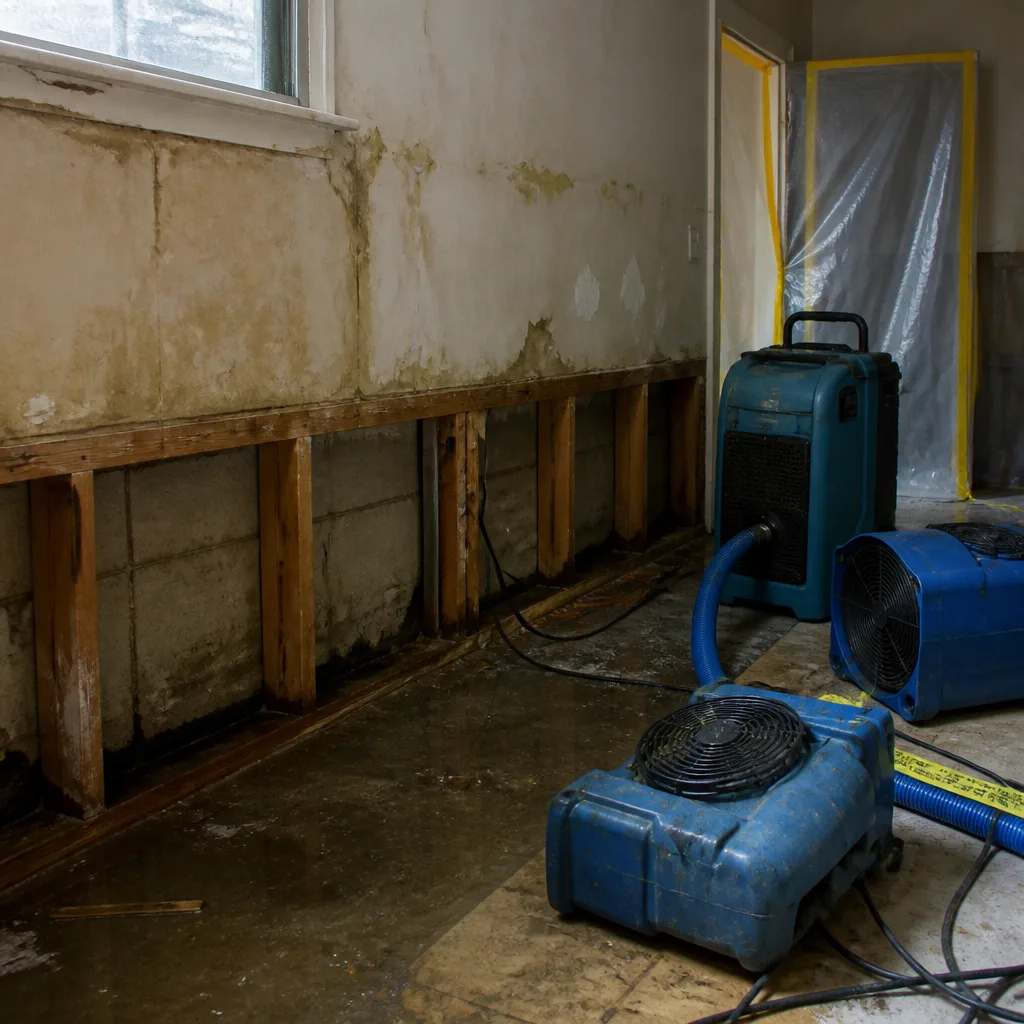
Mold remediation in Fort Worth. The typical range is $1,500 to $6,000 per affected area. A single bathroom with mold behind the shower surround runs $1,800 to $3,500. A crawl space with widespread mold under a north Fort Worth pier-and-beam home runs $4,000 to $6,000 or more, because the entire crawl space often needs containment and treatment. Fort Worth’s clay soil holds moisture against foundation walls, and poor ventilation in older homes makes crawl spaces a recurring problem. We use EPA-registered, pet-safe antimicrobials where there is a choice, because kids and pets are in the house while we work. Our Mold Remediation in Fort Worth service is built around containment first, treatment second, and verification third. A mold job is not done until a third-party clearance test confirms the air is clean.
Fire damage restoration in Fort Worth. A small kitchen fire that is contained to one wall might run $3,000 to $8,000 for soot cleanup, odor removal, and structural cleaning. A whole-home smoke event from a fire in one room can run $10,000 to $25,000+, because smoke travels through the HVAC system and into every room, even rooms that never saw flame. The cost driver in fire work is not demolition; it is the labor of cleaning every surface, every piece of fabric, every duct. Fort Worth homes built before central air was standard often have add-on duct systems that are harder to clean thoroughly. Our Fire Damage Restoration in Fort Worth team handles soot, smoke, and odor, and we coordinate directly with your insurance adjuster, including photo documentation of every phase.
Common Mistakes to Avoid
- Signing a work authorization before seeing a written price. A work authorization is a contract. A written price is the number that goes with it. You should have both in hand before any equipment comes off the truck.
- Assuming your insurance company will catch everything. Insurance adjusters in Fort Worth are working multiple claims in Tarrant, Parker, and Johnson counties. They are thorough, but they are not watching your drying equipment every day. That is your contractor’s job, and it is your right to ask for the daily moisture log.
- Choosing a contractor based on the lowest bid alone. A low bid on a Category 2 loss often means fewer equipment days, which means wet framing behind drywall, which means mold in the wall cavity by the next Fort Worth spring. The cheapest estimate does not always dry the house.
- Not asking about product safety. Restoration chemicals vary. Some are pet-safe. Some are not. If you have kids or pets, ask before the crew starts. A good company will tell you what they are using and why.
- Accepting a verbal scope. “We’ll take care of everything” is not a scope. If it is not written, it does not exist. In Texas, verbal agreements do not protect you when an invoice arrives.
- Waiting on the most serious events. Standing water in a Fort Worth summer becomes a Category 3 event faster than most people realize. What starts as clean water from a water heater failure can become contaminated within 24 to 48 hours of sitting in a warm house. Call before the category changes.
- Not documenting what you see. Take photos before the crew arrives. Take photos while they work. Take photos after they leave. Your camera roll is free insurance against a disputed invoice.
When to Call a Professional
You should call a restoration professional the moment you have standing water that extends beyond a single room, water that has soaked into drywall or flooring, any water from a sewer line or drain backup, any visible mold growth larger than a dinner plate, or any fire event that produced smoke. These are not DIY situations. A tide mark is the line water leaves on a wall, and it is the first thing our technicians look for on every job, because it shows exactly where water traveled. If you are uncertain whether a situation qualifies, call anyway. Tidemark Water Damage Fort Worth offers free estimates in Fort Worth. Call (682) 703-9856, and a live person will answer, 24 hours a day.
Frequently Asked Questions
Water damage restoration in Fort Worth typically costs between $1,800 and $7,500 for a single-room event, with applied structural drying accounting for $600 to $4,000 of that total depending on equipment count and days on-site. A whole-home Category 3 loss can exceed $25,000. Call (682) 703-9856 for a written estimate, free of charge, before you sign anything.
Most Fort Worth homeowner policies cover sudden and accidental water damage, such as a ruptured supply line or a water heater failure. Coverage for gradual leaks, sewer backups without an endorsement, and flood water from outside is much less consistent. Your restoration contractor should be able to document everything with photos and work directly with your adjuster, including providing the drying log and moisture readings your insurer will ask to see. For details on local requirements, read Damage Restoration Permits, Codes & Inspections in TX: What You Need to Know.
Any qualified restoration company should be able to have a crew on-site within hours, not days, for a water emergency. Water does not wait for business hours, which is why our phones are answered by a live person 24/7. In most Fort Worth neighborhoods, from Como to Saginaw, we can usually have technicians at your door the same day you call.
For a small clean-water spill that you caught immediately and that did not touch drywall or flooring, cleaning it yourself might be enough. But if water soaked into drywall, flooring, or insulation, surface cleaning will not address what is happening inside the wall cavity. Materials that stay wet behind a finished surface grow mold, and by the time you see it, the remediation bill is two or three times what drying would have cost. When in doubt, get a professional opinion. Estimates are free.
Your restoration contractor should coordinate directly with your adjuster, including providing the scope of work, photo documentation, and daily drying logs. Not every company does this well. Ask before you sign. A contractor who is uncomfortable talking to an adjuster is a red flag. An insurance claim goes more smoothly when the contractor speaks the same Xactimate language as the adjuster and can defend every line item.
Turn off the water source if you can do so safely. Move small items, kids, and pets out of the affected area. Take photos of everything: the standing water, the wet walls, the baseboards. Do not use a household vacuum to remove water. Do not lift wet carpet yourself, as the pad underneath is likely still saturated and the carpet may tear. Then call (682) 703-9856 and describe what you see in plain language. We talk you through the next 30 minutes, not just the next 3 days.
The Bottom Line
Restoration invoices are not mysterious, but they are built in a language most homeowners never learn. The categories are extraction, containment, drying, antimicrobial treatment, demolition, and rebuild. Xactimate sets the pricing floor, not the ceiling, and legitimate deviations should always be explained in plain English. A written price before work begins is the single best protection against the three most common invoice disputes: equipment day surprises, demolition overreach, and never-mentioned line items. Read your scope side-by-side with your final invoice. Ask for the drying log and the photo record. For more guides & resources, explore our blog, and if you are not sure whether a situation needs professional help, call first. A five-minute conversation with a real person beats a $3,000 surprise.
Written by Rick Sumner, Owner at Tidemark Water Damage Fort Worth, serving Fort Worth since 2006.
See the difference
 Before
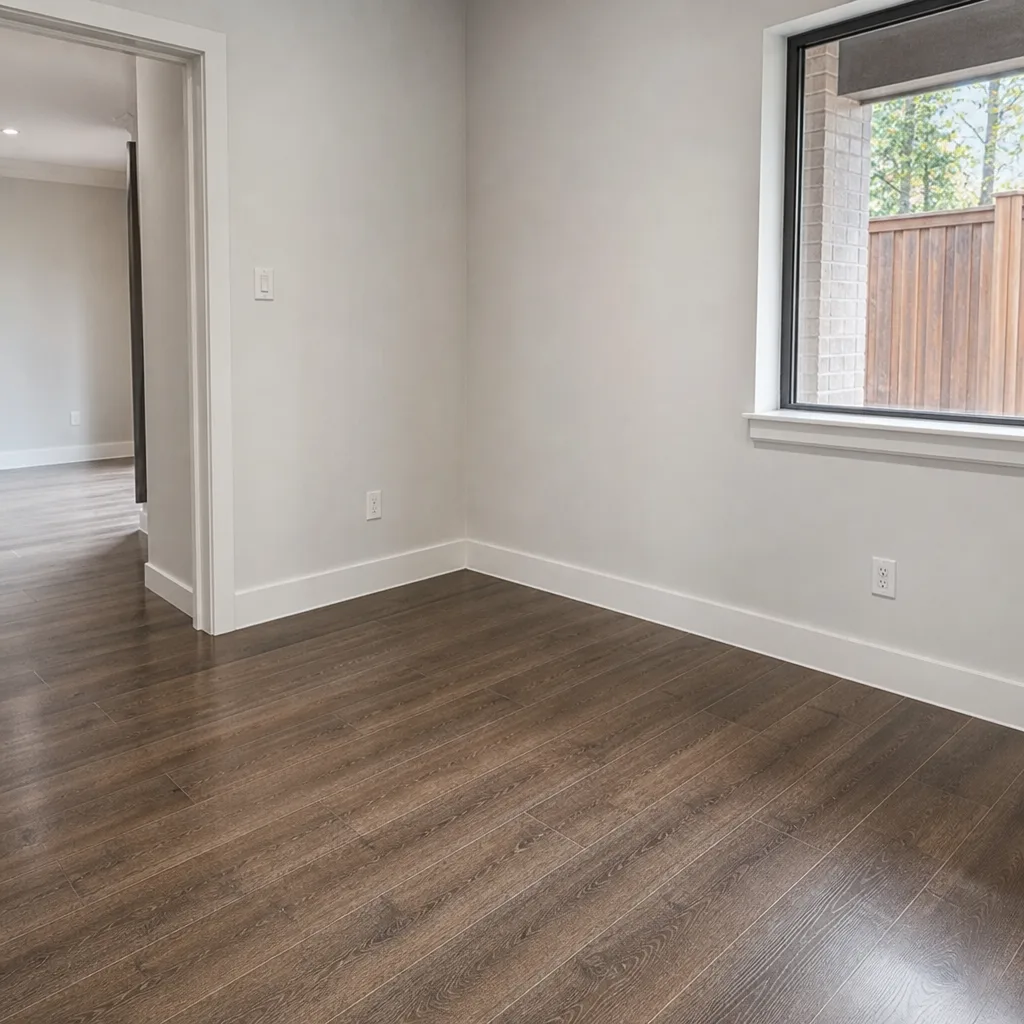 After
After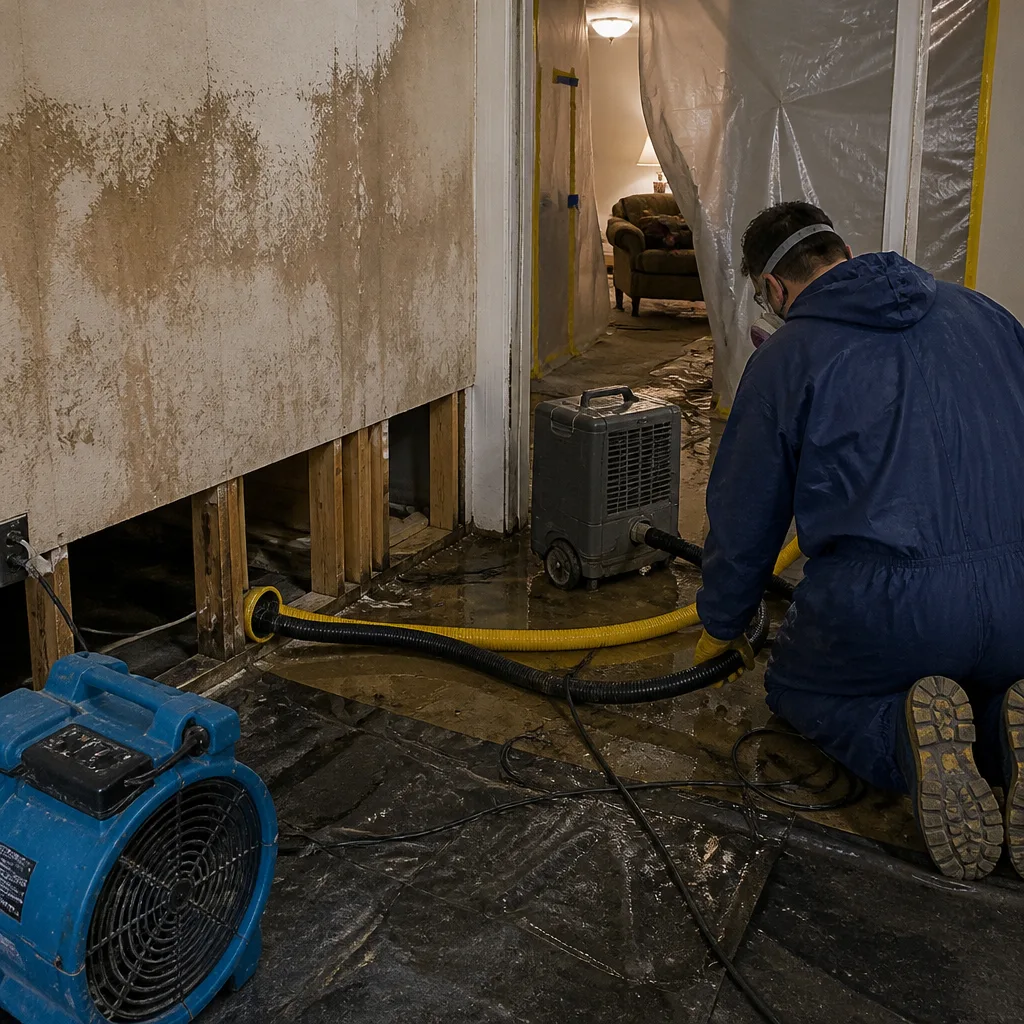 Before
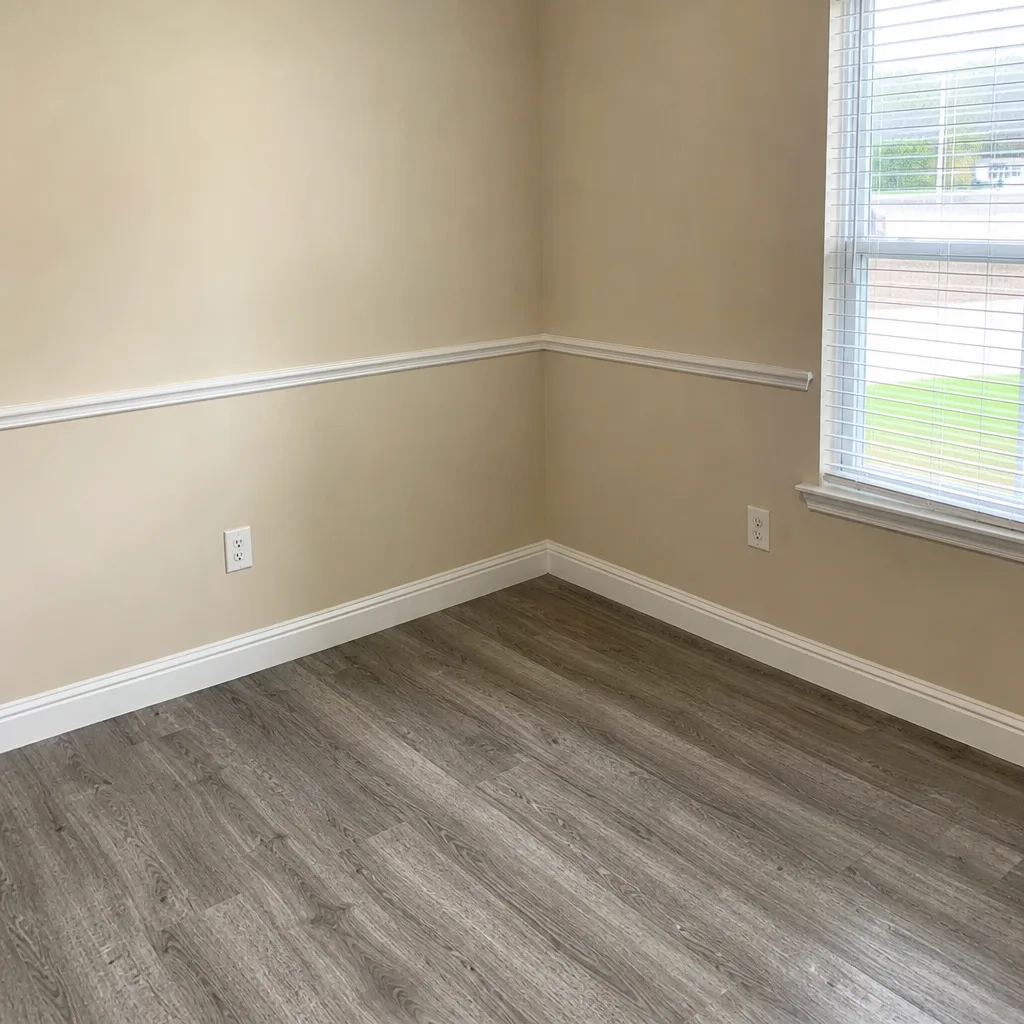 After
After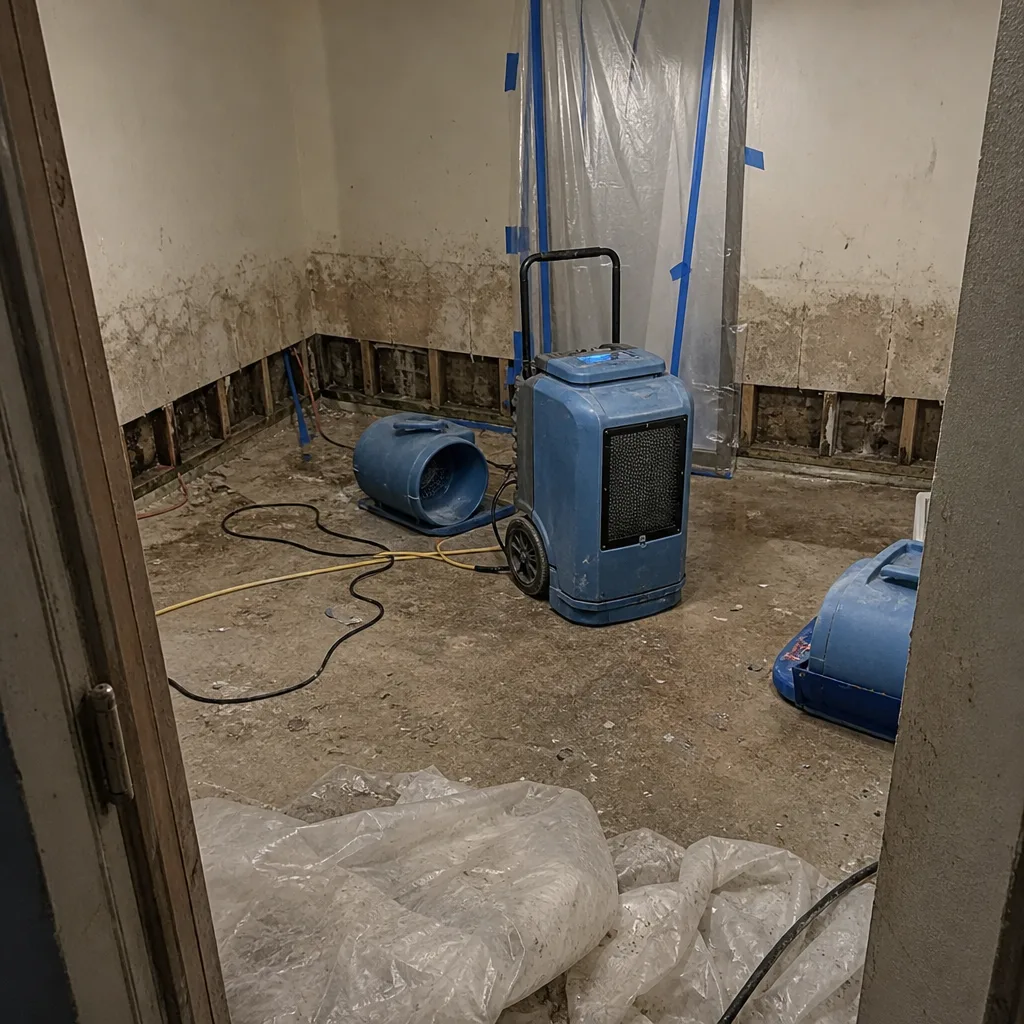 Before
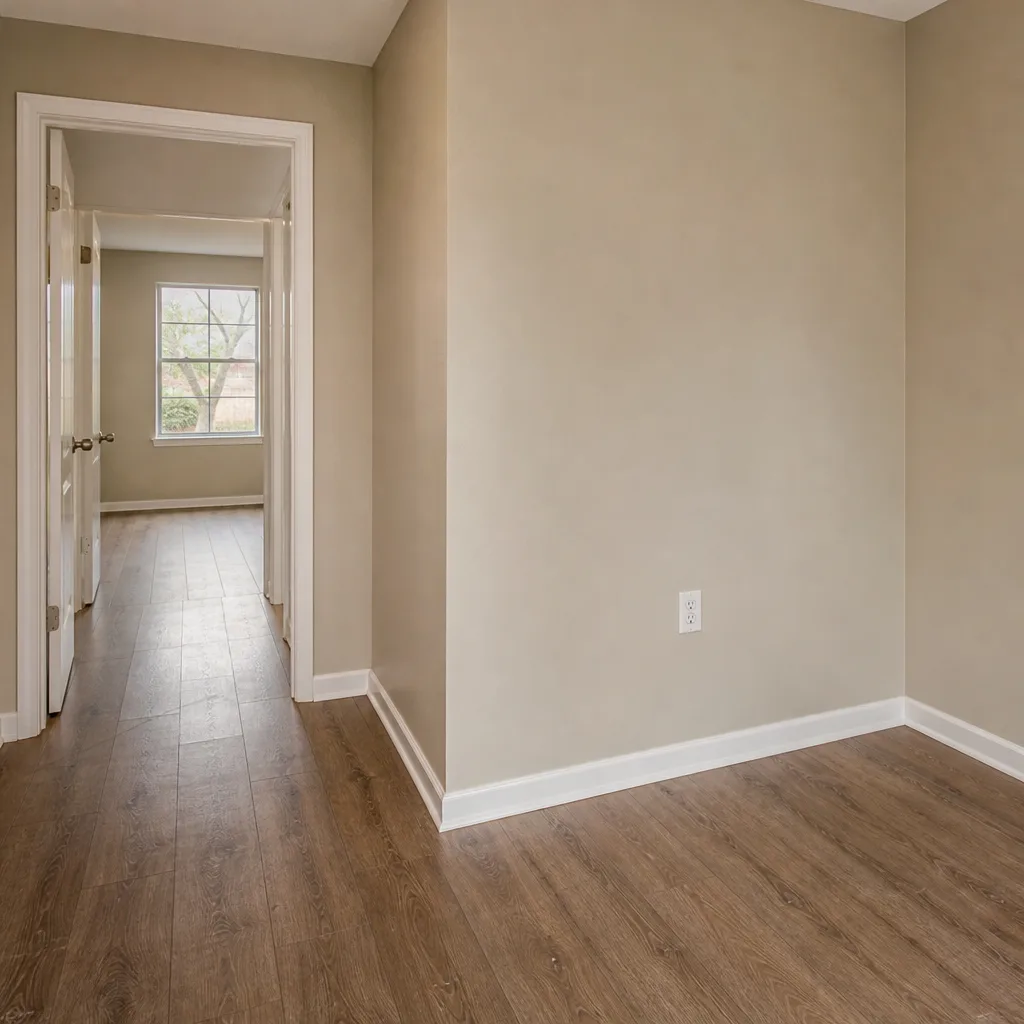 After
After