
Last updated October 16, 2026
 Water damage drying
 Fire & smoke cleanup
 Mold remediation
 Storm response
 Sewage cleanup
 Reconstruction
Free visual inspection and a written scope of work before any mitigation begins - photos, moisture readings, and drying logs go in your claim file
The scope we write is the scope we bill. Anything new gets shown to you, in writing, before we touch it.
Get your free estimateDIY vs Professional Damage Restoration: The Fort Worth Homeowner’s Decision Guide
A Fort Worth homeowner can dry a wet floor with box fans and a rented dehumidifier and genuinely believe the problem is solved. The surface feels dry. The baseboard looks fine. The insurer closes the claim. Then, eighteen months later, a mold assessment reveals the wall cavity behind that baseboard never dropped below 18% moisture content, and the remediation bill is four times what the original drying would have cost. This guide walks through exactly where the line sits between what a homeowner can safely handle and what needs calibrated equipment, written documentation, and a credentialed crew. Fort Worth’s clay soil, hard water, and summer humidity make that line different here than in other parts of Texas.
Restoration work we handle
Quick Answer
DIY water damage response in Fort Worth is genuinely safe and complete in three narrow scenarios: a small clean-water spill under about 10 square feet that you catch within 30 minutes, a roof leak contained to a single room with no insulation wetting, or an exterior leak you’ve already stopped at the source. Everything beyond that carries a documentation gap and a moisture-content gap that affects your home’s air quality, structure, and future insurance claims. Professional restoration matters not because homeowners can’t run fans, but because drying to visual appearance and drying to documented moisture content are two fundamentally different outcomes.
Table of Contents
- The Three Scenarios Where DIY Water Damage Response Is Safe and Complete
- Visual Dryness vs. Documented Moisture Content: Why Calibrated Drying Is Different
- The Insurance Documentation Gap: How DIY Affects Future Fort Worth Claims
- Pet and Child Safety: What’s in Those Big-Box Antimicrobial Sprays
- The Four-Question Decision Tree for Fort Worth Homeowners
- The Equipment Difference: What Professionals Run That Rentals Don’t Match
- Fort Worth-Specific Factors: Clay Soil, Humidity, and Hard Water
- Common Mistakes to Avoid
- When to Call a Professional
- Frequently Asked Questions
- The Bottom Line
The Three Scenarios Where DIY Water Damage Response Is Safe and Complete
We’ve been honest with Fort Worth homeowners about this for nearly two decades: not every water event needs a restoration crew. Some genuinely don’t. The key is knowing the precise conditions that must all be true for DIY to work. If even one condition fails, you’re not saving money. You’re deferring it.
Scenario 1: The Small Clean-Water Spill Under 10 Square Feet
This is the spilled fish tank, the overflowed toilet with clean water only, the tipped-over mop bucket. For this to be a true DIY job, every one of these conditions must hold:
- The water source is clean, meaning no sewage, no floodwater, no water that touched a diaper pail or a toilet bowl that had been used since its last clean.
- The spill covers less than roughly 10 square feet, about the size of a standard area rug.
- You caught it within 30 minutes. Water that’s been sitting longer has already begun wicking into drywall, baseboards, and subfloor.
- The flooring is tile, vinyl, or concrete. Carpet and hardwood are a different conversation, even at 10 square feet.
- There’s no wall involvement. If the water touched a baseboard, the baseboard is now a wick, and the cavity behind it is now wet.
- You own or can rent a dehumidifier and at least two high-velocity fans, and you’ll run them for a minimum of 48 hours, not overnight.
If all six conditions hold, a Fort Worth homeowner can dry this themselves, and the result will be genuinely complete. The mistake people make is rounding up. They tell themselves it was about 10 square feet when it was 15. They tell themselves the water was clean when the toilet had overflowed after a flush. Small errors in that self-assessment are where problems start.
Scenario 2: A Roof Leak Contained to One Room
Fort Worth gets its share of spring storms, and a roof leak can be a slow drip or a sudden stream through the ceiling. The DIY path here works only when all of these are true:
- The water came through a visible point you can identify and temporarily patch or tarp from inside or above.
- The ceiling drywall is wet in an area under about 8 square feet, and you can see the full wet boundary clearly. No staining that disappears into a wall cavity.
- There is no blown-in insulation above the wet area. Blown-in insulation saturates and does not dry; it has to be removed and replaced. That’s a professional job.
- There’s no wiring in the wet ceiling cavity. Water and electrical in the same space means the breaker gets turned off and a professional makes the call.
- The attic has active ventilation, and Fort Worth’s summer heat is on your side. A winter roof leak in a cold attic will not dry without heat and equipment.
Roof leaks trick people because the visible stain might be small while the water traveled laterally across a rafter before dripping through. If you can’t trace the full path from entry to drip point, you can’t know what’s actually wet. In our experience across Fort Worth homes, the difference between what the ceiling shows and what the attic holds is often the difference between a $200 fix and a $4,000 one.
Scenario 3: An Exterior Leak You’ve Already Stopped at the Source
Sometimes a Fort Worth homeowner catches a leaking hose spigot, a cracked window seal during a storm, or a door threshold that let water in during a heavy rain. The water entered the home but the source has been fully corrected. DIY response works here only when:
- The source is confirmed stopped, not guessed at. A plumber’s repair, a replaced gasket, a resealed window; something concrete.
- The water spread under 15 square feet and stayed on a hard surface floor.
- No drywall, no cabinetry, no trim, and no door frames were touched. Water that sits against a door frame wicks up into the wall.
- You can ventilate the area aggressively, and you have a way to measure moisture, not just feel for dampness.
That last bullet deserves emphasis. A $30 pinless moisture meter from a hardware store is not a calibrated instrument, but it’s better than a fingertip. If you’re going to DIY any water damage response, buy one. If the reading doesn’t come down over several days, you’ve crossed into professional territory.
For everything outside these three scenarios, the question isn’t whether to call. It’s who to call for water damage restoration in Fort Worth and whether they’ll give you a written price before they start.
Visual Dryness vs. Documented Moisture Content: Why Calibrated Drying Is Different
Here’s the fact that changes how Fort Worth homeowners should think about water damage: building materials can feel dry to the touch at 15% to 20% moisture content. They’re not dry. Drywall is dry when it’s under about 12% for interior use. Wood framing is dry under about 14% to 16%. The difference between 18% and 10% is invisible to a hand, invisible to an eye, and exactly where mold begins.
What Calibrated Psychrometric Drying Actually Is
Professional restoration drying is not “more fans.” It’s a controlled process based on psychrometry, the science of air, temperature, and moisture relationships. A technician calculates vapor pressure, relative humidity, and specific humidity to determine how fast water will evaporate from a given material into a given air mass. Then they control the environment so that evaporation happens at the right rate, not too slow and not too fast. Drying too fast warps hardwood floors, cracks plaster, and delaminates plywood. Drying too slow lets mold spores germinate.
A Fort Worth homeowner with box fans is moving air. Moving air speeds evaporation, which is real and useful. But evaporation without dehumidification just moves water from the floor into the air, and if the air can’t hold it or be exhausted, that water settles back into drywall, furniture, and fabrics. A closed bedroom with two box fans and high humidity becomes a vapor chamber. The water doesn’t leave the room. It relocates.
The Numbers Behind the Difference
We’ll put this in plain terms. Here’s what a typical drying job in a Fort Worth home looks like when documented properly, versus what a DIY response produces:
- Professional drying: initial moisture readings taken at 30 to 50 points across the affected area, including wall cavities, subfloor, and framing. Daily readings logged. Drying continues until every point measures below the material-specific target, typically 10% to 12% for drywall, 14% to 16% for dimensional lumber, 8% to 10% for hardwood. Equipment stays until the numbers say done, not until the surface feels dry.
- DIY drying: fans run until the floor looks and feels dry, typically one to three days. No readings. No documentation. The homeowner can’t know what the wall cavity reads, because they didn’t open it and don’t have a penetrating moisture meter.
In Fort Worth’s climate, the gap between these two approaches widens. Our summer relative humidity regularly sits above 60%. In August, a room with fans and no dehumidifier can stay above 70% relative humidity, which is above the threshold at which mold spores activate. The same drying effort that works in Lubbock in January fails in Fort Worth in July.
Professional equipment from brands like Dri-Eaz and Phoenix is built for this exact problem. Dri-Eaz dehumidifiers pull moisture out of air at volumes homeowner-grade rentals don’t reach. Phoenix axial fans move air at pressures that force evaporation inside wall cavities. These aren’t bigger versions of household products. They’re different tools built for a different job, and they’re what a credentialed technician with IICRC or RIA training uses to document that a structure actually returned to dry.
The Insurance Documentation Gap: How DIY Affects Future Fort Worth Claims
The least understood cost of DIY water damage response in Fort Worth isn’t the equipment rental. It’s what happens the next time you file a claim.
What Adjusters Actually Look For
Insurance adjusters don’t assess the quality of your drying. They assess the documentation of your drying. When you file a water damage claim after a covered event, your insurer pays for restoration and closes the file. If you DIY the drying and a related problem appears later, mold in the same wall cavity or warped subfloor under the same floor, that’s a new claim or a reopened claim. And the adjuster will ask one question: what proof do you have that the original drying was complete?
With a professional restoration company, the answer is a file of daily moisture readings, equipment logs, photos, and a final report showing every affected area returned to target moisture content. With a DIY response, the answer is a receipt from a rental dehumidifier and the homeowner’s testimony that it felt dry. Adjusters are not cruel people, but they are bound to policy language. When documentation doesn’t exist, the claim gets evaluated differently. Often it gets reduced. Sometimes it gets denied as a pre-existing condition resulting from inadequate mitigation.
The Specific Gap
The documentation gap works like this in practice:
- Initial claim: a pipe leaks in a Fort Worth home. The homeowner calls the insurer, gets a claim number, and decides to handle drying themselves. They rent a dehumidifier, run fans for three days, and everything looks fine. The insurer closes the claim with no drying documentation on file.
- Eighteen months later: the homeowner notices a musty smell in the same room. A mold test comes back positive. They file a new claim.
- The adjuster’s review: the file shows a prior water event in the same room with no drying documentation. The insurer can reasonably conclude the current mold resulted from inadequate mitigation, which is not a covered event. Or they cover it and apply a higher deductible, or they cover it but note future related claims will be scrutinized.
- The homeowner’s position: they did what they thought was right, spent $200 on rentals, and now face a $6,000 mold remediation bill with reduced or no coverage.
Every professional restoration job produces the file that prevents this. Photo documentation before, during, and after. Moisture readings at first response and at completion. Equipment logs showing dehumidifiers ran a specific number of hours. A written report. That file is the difference between a claim that pays and a claim that gets argued. It’s the same reason we take a photo of the clean-up before our crew leaves any Fort Worth job: documentation is a form of protection for the homeowner.
This is also where mold remediation in Fort Worth gets connected to water damage. Mold is almost always a secondary event. The initial water intrusion happened first. If the initial response wasn’t documented, the mold response gets treated differently by insurers. The two are linked in the claim file whether the homeowner thinks of them that way or not.
Pet and Child Safety: What’s in Those Big-Box Antimicrobial Sprays
Fort Worth homeowners with kids and dogs reach for the claim that feels safest: a big-box spray that says “kills mold” or “prevents mildew.” The logic is simple. Water got in, I’ll spray something that kills the bad stuff. The logic breaks down when you read the label, especially the parts most people skip.
The Chemistry That Should Give Parents Pause
The most common active ingredient in retail mold and mildew sprays is sodium hypochlorite, household bleach. Bleach’s safety profile on hard non-porous surfaces is well established, but bleach on porous materials, drywall, wood, grout, does not kill mold at the root. It bleaches the surface while the moisture inside the material sustains the colony. Worse, bleach produces volatile organic compounds and chlorinated byproducts that concentrate in an enclosed room for hours after application. For a toddler sleeping in the next room or a dog that licks surfaces, that’s an exposure you didn’t mean to create.
Another common active ingredient is quaternary ammonium compounds, often listed as “quats” on safety data sheets. Some quats are flagged by the ASPCA as respiratory and dermal irritants for pets, particularly cats and small dogs. Pet owners sometimes assume a product is safe because it’s sold at a retail store, but retail availability and pet safety are not the same thing.
What Professional Restoration Uses Differently
Professional restoration does not rely on retail antimicrobial sprays as a drying strategy. The primary tool is moisture removal: dry the material to below the threshold where mold can grow, and the mold question answers itself. Where an antimicrobial is indicated, professional products are selected based on the specific material and the specific microbe, applied at measured concentrations, and allowed to dry with proper ventilation. A homeowner spraying a bottle from a hardware store is guessing at all three variables.
We use pet-safe drying agents wherever there is a choice, and our technicians know which products are off-limits in homes with children, people with respiratory conditions, and animals. That’s not a marketing line. That’s a chemical selection decision made on every job, the same way shoe covers go on at the door and drop cloths cover the floor before the first piece of equipment comes in. The health of the family in the home is part of the job scope, not an afterthought.
The Nap-Time Reality
There’s a practical piece too. Professional drying equipment runs for days. A Fort Worth family with a sleeping baby doesn’t need a homeowner-grade blower rattling through the wall. Our drying plans account for quiet hours. Lower-decibel settings during nap time are a standard part of how we stage equipment in homes with kids. A DIY rental fan has one setting, and it’s loud.
Parents weighing DIY versus professional should factor in that math: a rental fan runs constantly for 72 hours. If it’s in a hallway serving a wet bedroom, the family lives with the noise for three days. A professional drying plan with calibrated equipment and staged airflow gets the same job done with less disruption, because the equipment is placed and set differently than a single rental fan. The difference is expertise, not magic.
The Four-Question Decision Tree for Fort Worth Homeowners
Every water damage decision in a Fort Worth home comes down to four questions. Answer honestly, and the path chooses itself. The decision tree below walks through them in order.
Question 1: What kind of water is it?
Category 1 is clean water from a supply line, a sink overflow that didn’t touch anything dirty, or rainwater that came straight in. Category 2 is grey water: washing machine discharge, dishwasher overflow, water that touched food or soap. Category 3 is black water: sewage, toilet backflow, floodwater from outside. For category 1 under 10 square feet with no wall involvement and immediate response, DIY is reasonable. For category 2, DIY is risky; grey water carries microorganisms that multiply fast in Fort Worth heat. For category 3, there is no DIY. Sewage and floodwater carry pathogens that require full PPE, disposal protocols, and professional water damage restoration in Fort Worth. No exception.
Question 2: What’s wet, and how long has it been wet?
Touch the affected area. Then think about what’s adjacent to it. If water touched a baseboard, the wall cavity behind it is wet regardless of what the surface shows. If water sat for more than an hour before you found it, drywall and flooring have begun wicking. If the affected area includes carpet, pad, or hardwood, water has traveled underneath and between seams. The longer the water sat, the deeper it went, and the less likely a surface-level DIY response will reach it.
Question 3: Do I have the equipment for the actual conditions, not the ideal ones?
A Fort Worth homeowner in July needs a dehumidifier capable of pulling real pints out of air that’s already at 60% relative humidity. A homeowner in December needs a plan for drying in cooler conditions, which slows evaporation. Two box fans and a rented dehumidifier can work in narrow conditions: small area, hard surface, clean water, immediate response, dry season. Every condition you’re missing is a point where the DIY plan underperforms, and the underperformance shows up months later as a smell, a stain, or a warped floor.
Question 4: Can I document what I did if an adjuster asks?
This question is the one most homeowners never ask, and it’s the one that matters most on the back end. If you can’t produce moisture readings taken with a real moisture meter, an equipment log showing drying time, and before-during-after photos, you cannot defend your DIY response to an insurer. That doesn’t make you wrong. It makes you unprovable. And in insurance, unprovable is expensive.
Answer all four questions honestly. If you pass all four, do it yourself with a clear plan and a moisture meter. If you fail any one of them, the professional threshold has been crossed, and you’re not comparing DIY cost to professional cost. You’re comparing now-cost to later-cost, with the later cost typically three to five times higher.
The Equipment Difference: What Professionals Run That Rentals Don’t Match
It’s worth understanding what professional restoration equipment actually does, because the gap between a professional dehumidifier and a rental one is not incremental. It’s categorical.
Dehumidifiers: Refrigerant vs. Desiccant
Most rental dehumidifiers are refrigerant models. They work well in warm, humid air, which is why they’re common in Fort Worth summers. But refrigerant dehumidifiers lose efficiency below about 70°F, and their water removal rate drops as the room dries. Professional restoration desiccant dehumidifiers from brands like Dri-Eaz use a chemical rotor that adsorbs moisture regardless of temperature, pulling air to much lower relative humidity. A desiccant dehumidifier can drive a room to below 30% relative humidity, which is where equilibrium moisture content in building materials finally drops into a safe range. Rental refrigerant units often bottom out around 45% to 50%, which is not dry enough for enclosed cavities.
Air Movers: Axial Fans vs. Box Fans
A box fan moves air. An axial air mover from Phoenix or another professional brand moves air at much higher static pressure and can be positioned to force air into wall cavities or under flooring. That matters because water inside a wall cavity does not dry by passive airflow. It dries when air inside the cavity is exchanged with dry air from outside the cavity. Axial air movers create that exchange. Box fans create ambient circulation. The surface of the wall dries either way. The cavity does not.
Measuring: The Instrument Gap
Professional moisture meters fall into two categories: pin meters and pinless meters. Pin meters drive two small probes into the material and measure electrical resistance, giving a precise moisture content reading at a specific depth. Pinless meters use radio frequency to scan through the surface and measure moisture in the underlying material. Restoration technicians use both: pinless for a quick scan, pin for confirmation. A $30 retail meter is a pinless device with limited depth range and no calibration against wood species or drywall density. It tells you something. It doesn’t tell you what an adjuster would accept.
This equipment conversation sounds like inside baseball, but it’s the physical reality behind why some Fort Worth homes dry completely and others develop problems six months later. The equipment does the work. The training, whether RIA, IICRC, or IFA, tells the technician how to read the equipment. The homeowner with a rental has neither the equipment nor the training. That’s not a judgment. It’s a mechanical fact.
Fort Worth-Specific Factors: Clay Soil, Humidity, and Hard Water
Fort Worth is not a generic market. The soil, the water, and the climate all shape how water damage behaves and how drying should be approached.
Clay Soil and Foundation Movement
Much of Fort Worth sits on the Eagle Ford Shale and similar expansive clay soils. These soils swell when wet and shrink when dry, and that movement is the single biggest cause of foundation stress in Fort Worth homes. When water sits against a foundation or under a slab after a leak, it doesn’t just affect the flooring. It can accelerate the very soil movement that causes cracks, sticking doors, and slab stress. A DIY response that dries the surface floors while leaving water against the foundation is addressing the visible problem while the structural problem continues underneath. Professional drying sometimes includes subfloor and under-slab evaluation for exactly this reason.
Summer Humidity and the Drying Window
Fort Worth’s humidity means the drying window is narrower here than in drier Texas cities. When outdoor humidity is high, simply opening windows makes the problem worse. Air introduced from outside carries more moisture than it removes. A DIY response that relies on ventilation without dehumidification in July is actively counterproductive. The homeowner needs to know that in Fort Worth’s climate, airflow alone is not a drying strategy for enclosed spaces. Dehumidification is the strategy. Airflow supports it.
Hard Water Mineral Deposits
Fort Worth’s water is moderately hard, typically in the 8 to 12 grains per gallon range. When hard water saturates drywall or carpet and then dries, it leaves mineral deposits behind. Those deposits are hygroscopic, meaning they attract moisture from the air even after the original water is gone. A wall cavity that dried with hard water residue inside will re-absorb humidity from Fort Worth’s summer air and can stay damp enough to support mold long after the original event. Professional drying accounts for mineral content when setting drying targets and sometimes includes a flush or cleaning step that DIY drying doesn’t.
These Fort Worth factors don’t mean DIY is always wrong here. They mean the conditions required for successful DIY are stricter here than in El Paso or Amarillo. The same spill that’s safe to DIY in West Texas might need professional equipment in Fort Worth’s July humidity. Geography is part of the decision.
Common Mistakes to Avoid
- Treating carpeted areas like hard surfaces. A Fort Worth homeowner mops up the visible water on carpet and runs a fan. The pad underneath remains saturated, and carpet pad is a mold incubator. Even professionally, saturated carpet pad sometimes gets removed and replaced. DIY drying of a saturated pad rarely works in Fort Worth humidity.
- Assuming the wall is dry because the paint looks normal. Paint is a vapor retarder. It holds moisture inside the wall cavity even when the exterior surface looks fine. Baseboards are the same: the visible side faces the room, but the hidden side faces a cavity that’s holding water.
- Using household cleaners as disinfectants without reading the label. Big-box sprays labeled for “mildew” or “mold” often require the surface to stay wet for a specified contact time. Most homeowners spray and wipe in under a minute, which does nothing. Meanwhile, kids and pets are in the room.
- Pulling up flooring to “let it dry” without a plan. Ripping out wet hardwood or laminate creates a new problem: now you have exposed subfloor, possible asbestos or lead concerns in older Fort Worth homes, and no idea whether the subfloor itself is dry. Removal without testing and documentation can void insurance coverage for the replacement.
- Running fans without a dehumidifier in summer. In Fort Worth’s July conditions, fans alone can keep a room at 70% relative humidity while evaporating water into the air. The floor dries slightly, and the walls get wetter. It’s the literal opposite of drying.
- Closing the claim before the area is documented dry. A homeowner calls their insurer, gets a claim number, and starts DIY drying. A week later they call back and say everything’s fine. The claim closes with no drying documentation. That’s the documentation gap that comes back to reduce the next claim.
- Using a hair dryer or space heater to speed drying. Heat accelerates evaporation but can also warp materials, crack plaster, and concentrate moisture in cooler surfaces like wall interiors and subfloor. Professional drying uses controlled heat only in specific circumstances with measured monitoring.
When to Call a Professional
Call a professional when the water is grey or black, when the affected area is over 10 square feet, when the water touched walls or flooring with cavities, when the water sat for more than an hour before you found it, when the source hasn’t been confirmed stopped, when electrical is involved, when a child or person with respiratory conditions lives in the home, or when you’ve already been drying for 48 hours and a moisture meter isn’t showing progress. In any of these situations, the cost of a professional response is lower than the cost of a failed DIY response, just on a different timeline. Tidemark Water Damage Fort Worth offers free estimates in Fort Worth, with a written price before any work starts. Call (682) 703-9856 and a real person answers, 24 hours a day.
Frequently Asked Questions
Yes, for a small clean-water spill under about 10 square feet on a hard surface with no wall involvement and immediate response, a rental dehumidifier and two fans can work in Fort Worth. The conditions all have to hold at once, and you should confirm with a moisture meter that the area actually returns to safe levels. If you’re missing any of those conditions, rental equipment won’t reach the cavities that a professional setup would.
Professional water damage restoration in Fort Worth typically runs between $1,200 and $4,500 for a contained event involving one room, depending on the extent of saturation, whether flooring or drywall gets removed, and how long the equipment runs. Sewage or floodwater jobs run higher because of disposal and sanitization requirements. Every Tidemark job includes a written price before work starts, so the number is on paper before any equipment comes off the truck.
Insurers typically still process the claim, but a DIY response can complicate it. Without documented moisture readings and drying logs, an adjuster may question whether the current damage is new or resulted from incomplete drying. Professional restoration produces the documentation file that keeps subsequent related claims clean. For Fort Worth homeowners, the documentation is often worth as much as the drying itself.
You should call within 24 hours at the most. In Fort Worth’s climate, mold spores can germinate on saturated drywall in 48 to 72 hours, and summer humidity shortens that window. Waiting also affects what materials can be dried versus what has to be removed. Carpet that might dry within 24 hours is often a tear-out by day three. The earlier the professional response, the more gets dried and the less gets replaced.
Drying removes moisture to a level where mold can’t grow. Disinfecting applies an antimicrobial product to kill microorganisms on a surface. Drying is the primary defense; if materials are truly dry, mold can’t establish. Disinfecting is a supplement used where water was grey or black. A homeowner spraying a retail antimicrobial while the wall cavity stays wet is doing disinfecting without drying, which is the weakest possible response.
Yes. Tidemark handles mold remediation in Fort Worth and fire damage restoration in Fort Worth in addition to water damage restoration. All three are performed by IICRC-, RIA-, and IFA-credentialed technicians, and every job gets a written price before work begins. The same documentation standards apply across all three services, which matters when insurers are involved.
The Bottom Line
DIY water damage response has a place, and pretending otherwise would be dishonest. A Fort Worth homeowner with a small, clean, caught-early spill on hard flooring can dry it themselves and save the cost of a professional call. But the conditions have to actually hold, not approximately hold. And the biggest costs of a failed DIY attempt are invisible: a wall cavity that never dried, a claim file with no documentation, pet and child exposure to retail chemicals that don’t work as labeled. The professional threshold in Fort Worth is crossed sooner than in drier cities, and once it’s crossed, the question shifts from saving money to preventing the bigger bill that’s already compounding. Every Tidemark job starts with a written price, ends with a photo of the clean-up, and carries a 365-Day Done Right Promise. If it’s not done right, we make it right. That’s the standard Fort Worth homeowners should measure any decision against, DIY or otherwise.
Written by Rick Sumner, Owner at Tidemark Water Damage Fort Worth, serving Fort Worth since 2006.
See the difference
 Before
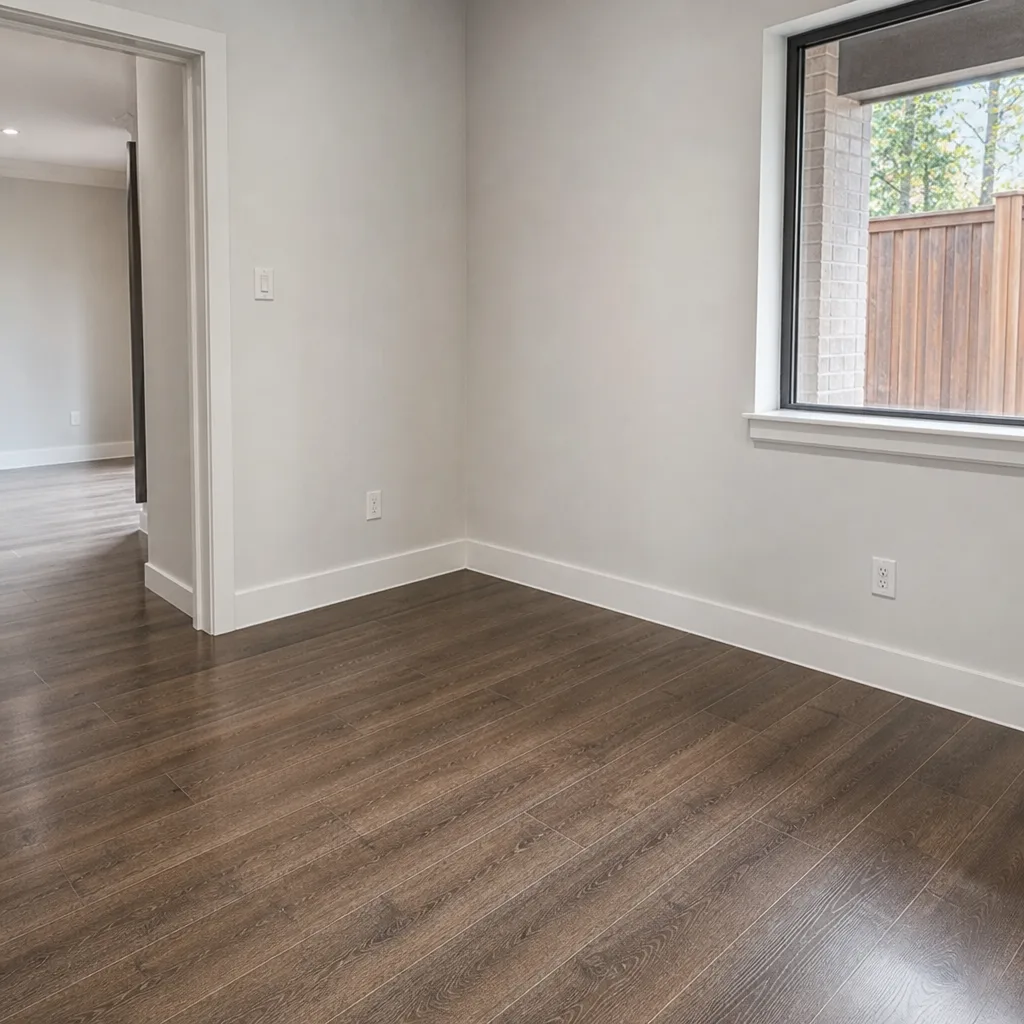 After
After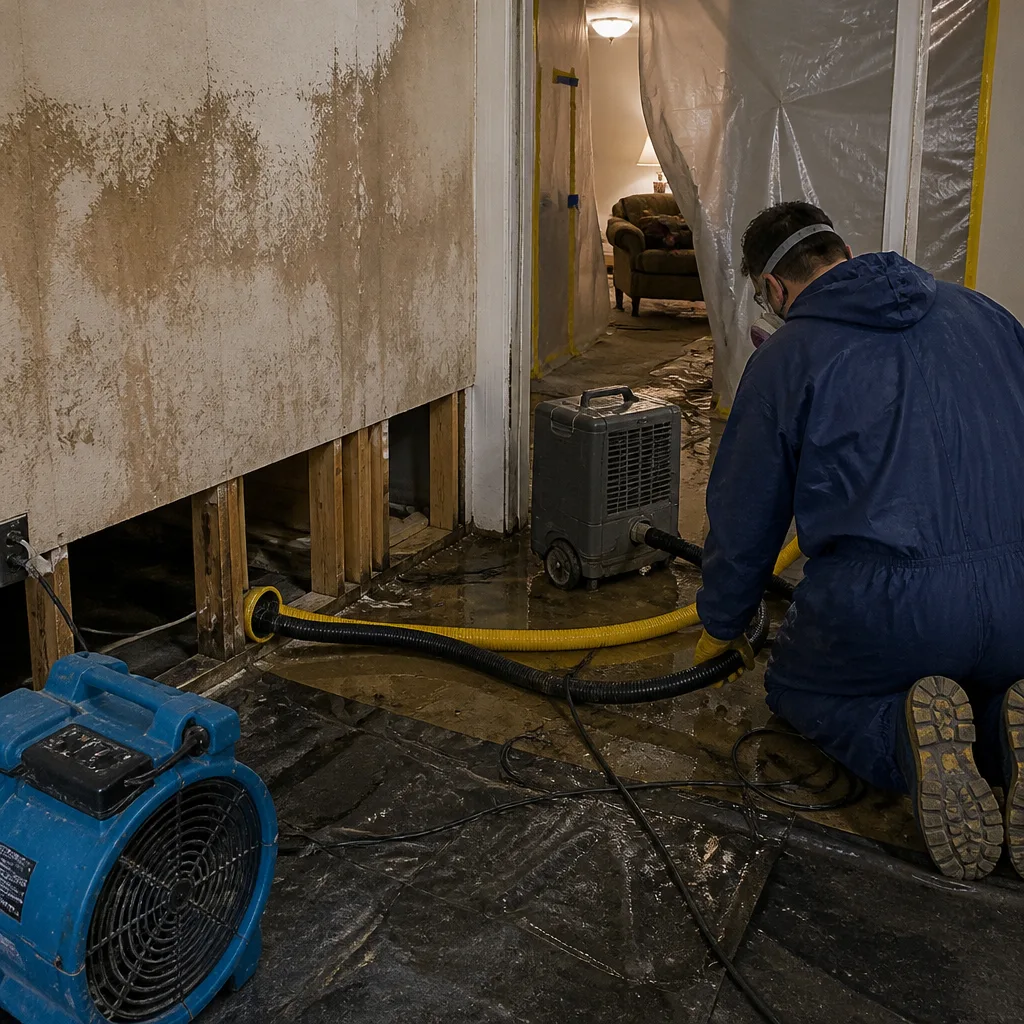 Before
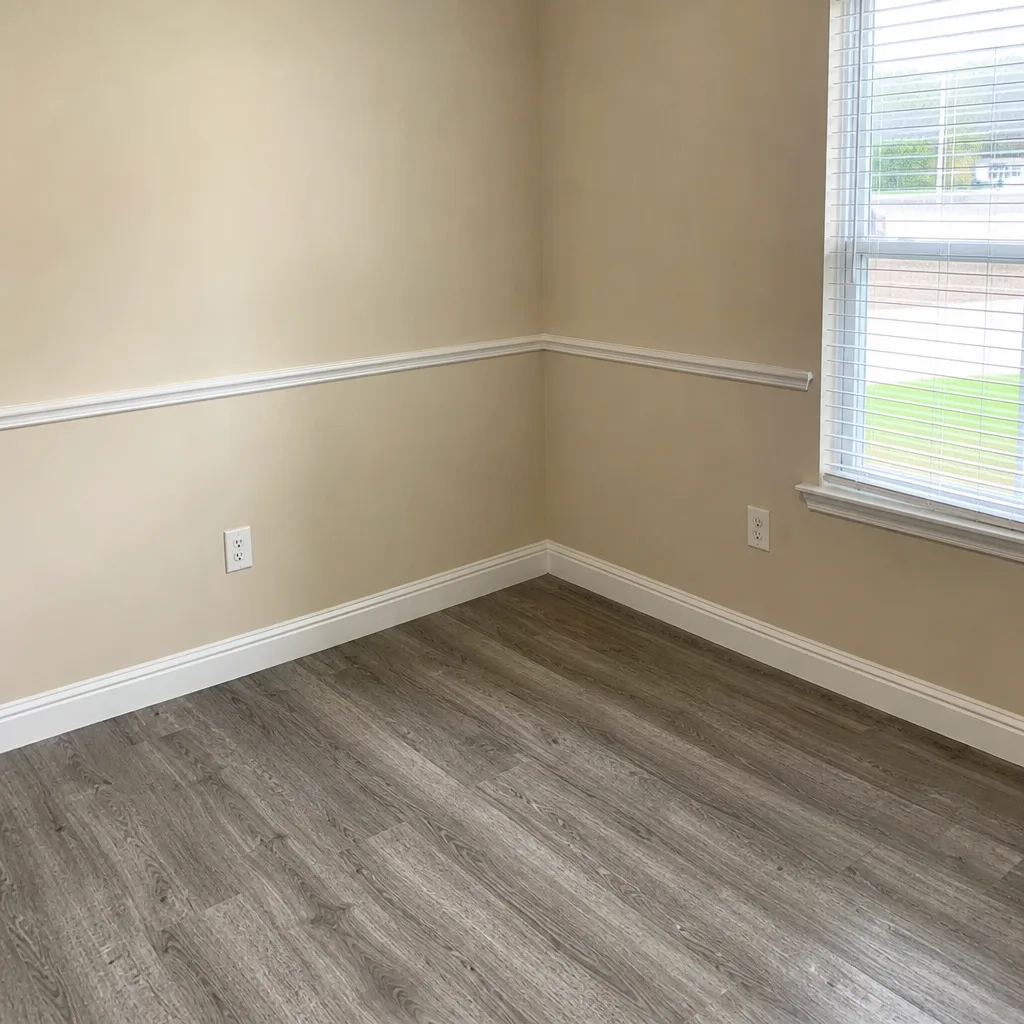 After
After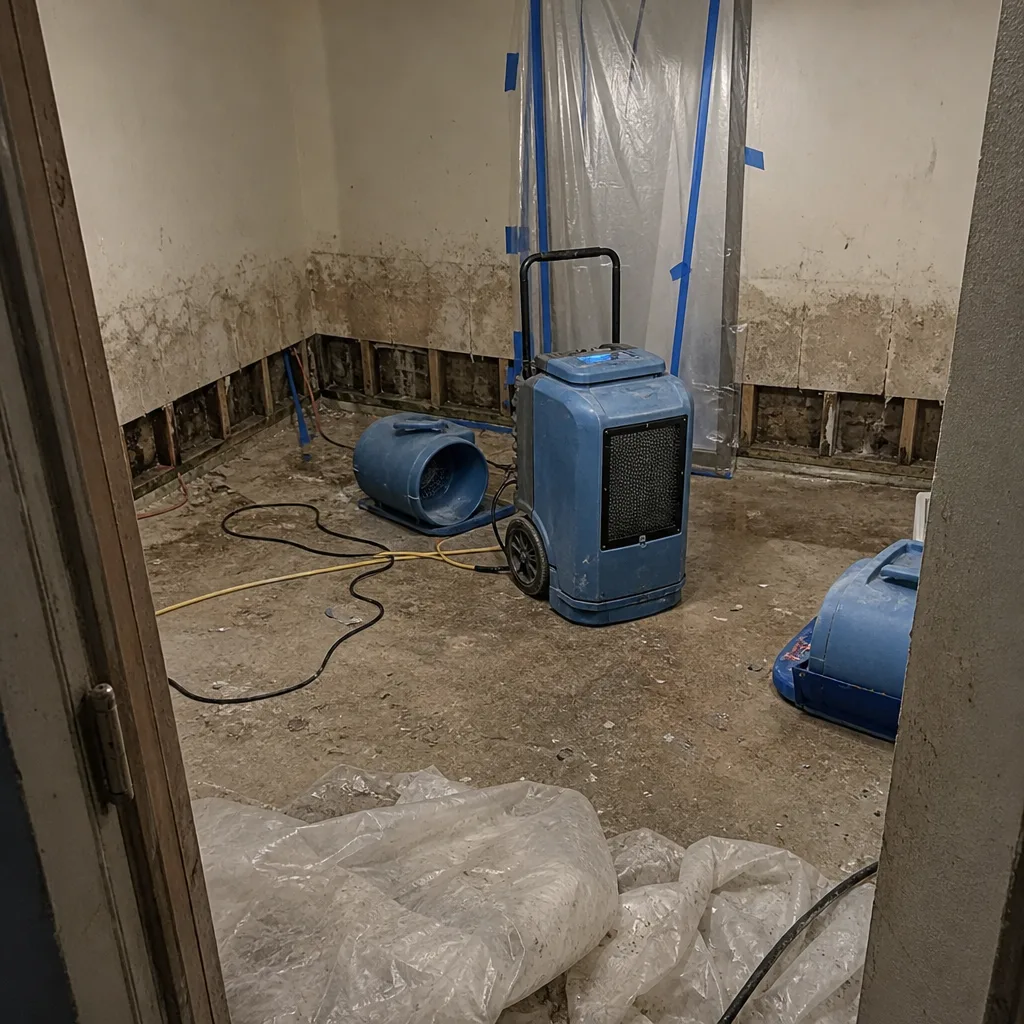 Before
 After
After