
Last updated October 16, 2026
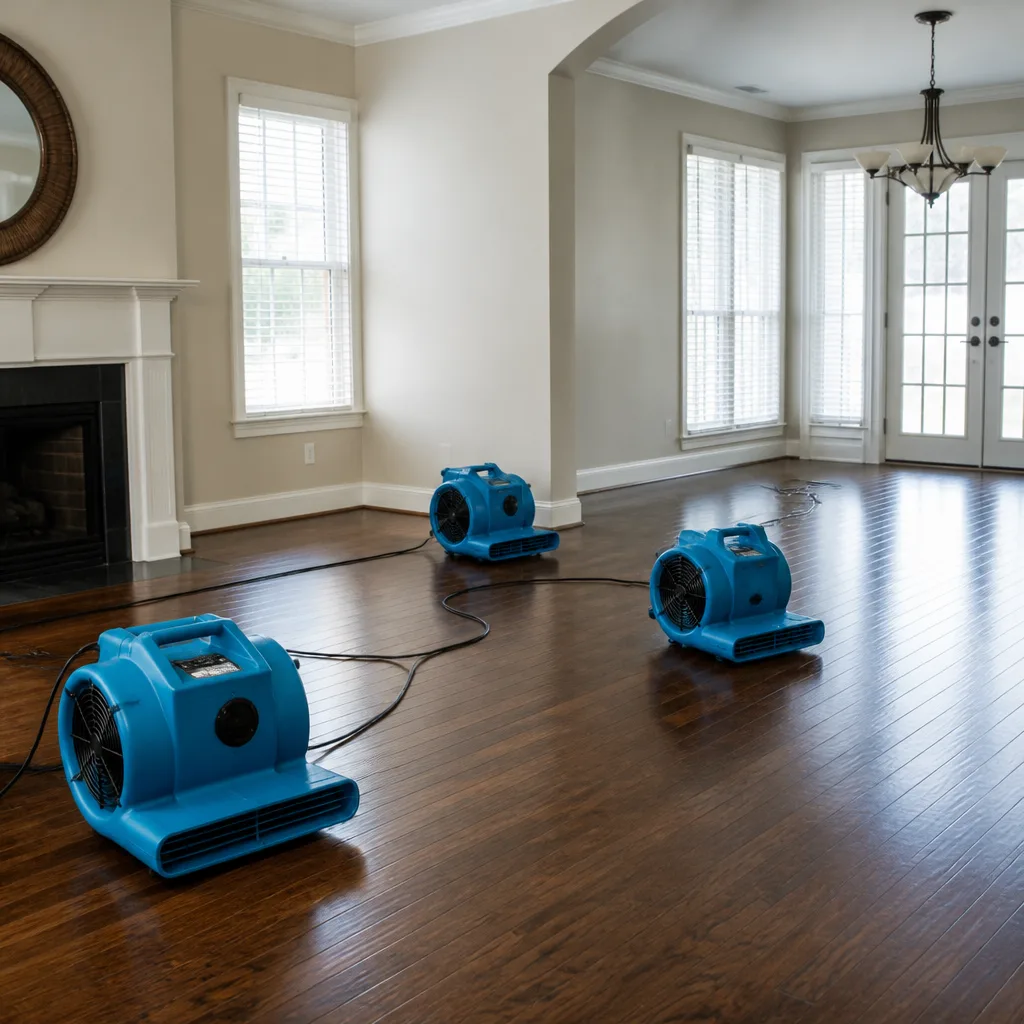 Water damage drying
 Fire & smoke cleanup
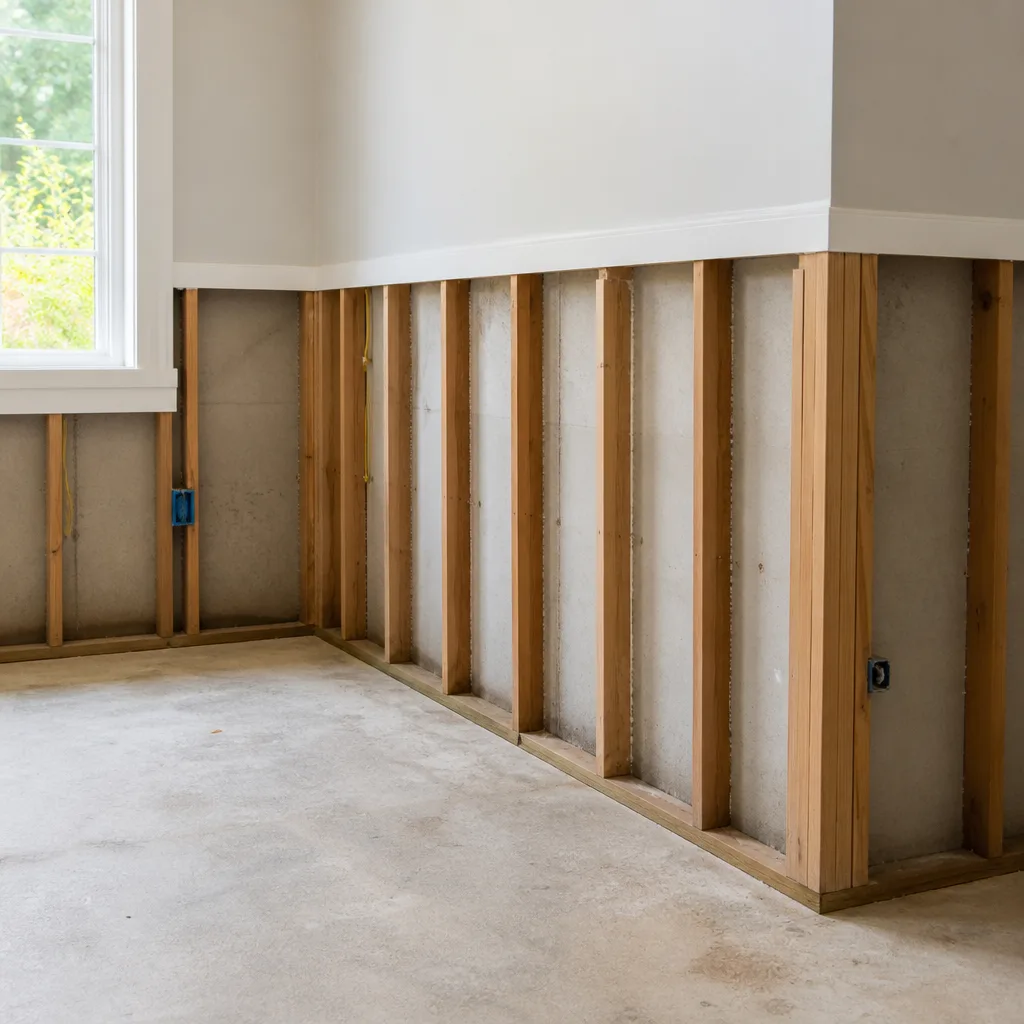 Mold remediation
 Storm response
 Sewage cleanup
 Reconstruction
Free visual inspection and a written scope of work before any mitigation begins - photos, moisture readings, and drying logs go in your claim file
The scope we write is the scope we bill. Anything new gets shown to you, in writing, before we touch it.
Get your free estimateDamage Restoration Permits, Codes & Inspections in TX: What You Need to Know
Here’s a quiet fact most Fort Worth homeowners learn too late: the permit pulled for your water damage repair is often the only proof you’ll ever have that the work was done correctly. Insurance adjusters check for it when you file a future claim. Home inspectors look for it when you sell. Title companies ask about it at closing. A Fort Worth homeowner who accepts unpermitted drywall replacement after a pipe burst may not discover the problem until a real estate inspector flags it five or ten years later, during the sale of the home. This guide explains which restoration tasks in Fort Worth actually require permits, how Tarrant County inspections work, what your contractor should handle versus what falls to you, and how to preserve the paperwork so it protects you long after the drying equipment leaves your driveway. For damage restoration warning signs every Fort Worth homeowner should know, see our companion reference.
Restoration work we handle
Quick Answer
Most water damage restoration work in Fort Worth, Texas does not require a building permit when it’s limited to drying, cleaning, and replacing finishes like drywall, paint, and carpet in kind. However, permits are required from the City of Fort Worth Development Services Department when the repair touches plumbing lines, electrical wiring, structural framing, or changes the footprint of a room. Confirming permit requirements before work begins is the homeowner’s responsibility, and the permit record becomes permanent documentation of code compliance for insurance claims and future resale.
Table of Contents
- Which Restoration Tasks Need a Permit in Fort Worth, by Trade
- How Tarrant County’s Inspection Process Actually Works
- Who Pulls the Permit: Contractor vs. Homeowner
- How Insurance Adjusters Treat Permitted vs. Unpermitted Work
- What Documentation to Request at Job Close
- Permit Timeline: How Permits Affect Your Restoration Schedule
- Common Mistakes to Avoid
- When to Call a Professional
- Frequently Asked Questions
- The Bottom Line
Which Restoration Tasks Need a Permit in Fort Worth, by Trade
The simplest way to understand Fort Worth permit requirements is to sort the work by trade. The City of Fort Worth Development Services Department regulates building permits based on the Uniform Building Code and local amendments, but the practical rule for restoration is this: if the damage only affects surface materials, no permit. If the repair touches a system inside the wall, a permit is usually required. Here’s how that breaks down.
Plumbing Repairs: Permit Required in Most Cases
If a water loss came from a supply line, water heater, or drain line inside the wall, and the repair requires cutting into, replacing, or rerouting pipe, Fort Worth requires a plumbing permit. This includes replacing a section of copper or PEX supply line, resetting a toilet after a wax ring failure that damaged the flange, and relocating a water heater. A plumber who holds a Texas State Board of Plumbing Examiners license can pull the plumbing permit in their own name, and the City’s plumbing inspector will verify the work before the wall is closed. In our experience, this is the most common permit scenario in Fort Worth water damage restoration: the leak happened behind a wall, the plumber opened the wall to fix the pipe, and now the repair needs to be inspected before insulation and drywall go back up.
Electrical Repairs: Permit Required When Wiring Is Exposed or Replaced
Water and electricity make a dangerous pair, and Fort Worth’s electrical code enforcement reflects that. If flood water, a roof leak, or a fire suppression system exposed wiring, saturated an outlet, or damaged a breaker panel, an electrical permit is required before any electrician can repair or replace those components. This applies even when the repair is straightforward: replacing a water-damaged AFCI outlet, rewiring a circuit that shorted during a storm, or replacing a panel that took on water in a basement flood. The electrical permit comes with mandatory inspection, and in Fort Worth, the inspector will want to see the affected circuits before the drywall goes back over them. Electricians licensed by the Texas Department of Licensing and Regulation handle these permits as a standard part of their scope.
Structural Repairs: Permit Required When Framing Is Touched
The damage you can’t see is often the damage that needs a permit. If a water loss or small fire compromised a floor joist, a wall stud, a ceiling truss, or a load-bearing header, Fort Worth requires a structural permit before any repair or sistering of framing can occur. This is true even if the damage looks minor: a floor joist that was wet for two weeks may look fine from the top but be compromised by rot or mold at the bearing point, and the permit process forces an engineer’s eye on the repair before it’s covered up. Structural permits in Fort Worth usually require a set of drawings or at minimum a detailed scope description signed by a licensed contractor. The inspection verifies that the repair matches the approved scope. Skipping this permit doesn’t just violate code; it puts a hidden defect into the floor or wall of your home that may not show itself for years.
What Does Not Require a Permit
Most of what happens during a water damage restoration job in Fort Worth is non-permitted work, and that’s by design. Drying, dehumidifying, antimicrobial treatment, air scrubbing, and content cleaning are not regulated by the Development Services Department. Replacing drywall, baseboards, paint, carpet, pad, and trim in kind, meaning same material, same location, same dimensions, does not require a permit in Fort Worth. Neither does replacing a roof’s shingles after a hail storm, as long as the decking beneath is intact. The line is clear: cosmetic replacement is unpermitted work; system repair is permitted work. A restoration company that knows this distinction will tell you before work starts which pieces of your job will require an inspection, and won’t let a permit question become a surprise after demolition. If you’re weighing whether to handle repairs yourself, our DIY vs professional damage restoration guide for Fort Worth can help you decide.
If you’re working through a water loss right now and want to know which of these trade categories applies to your home, call Tidemark Water Damage Fort Worth at (682) 703-9856. We can tell you over the phone whether your specific repair will likely need a permit, and we’ll put that assessment in writing before any work begins.
How Tarrant County’s Inspection Process Actually Works
Fort Worth sits inside Tarrant County, but building permits and inspections are handled by the City of Fort Worth’s Development Services Department, not the county. The process is online, scheduled through the City’s Accela Citizen Access portal. Here’s what a typical inspection looks like from the inside.
Step 1: Permit application and review. The contractor or homeowner submits the permit application with a scope of work. For simple repairs like a plumbing line replacement, approval is often same-day or next-day. For structural or electrical work, the City may ask for additional details, which adds two to five business days to the timeline.
Step 2: Scheduling the inspection. Once the work is underway and the relevant system is exposed, the contractor schedules an inspection through the online portal. In Fort Worth, inspection requests submitted before 4:00 p.m. are typically scheduled for the next business day. The inspector arrives during a four-hour window, so the contractor needs the wall open, the pipe visible, or the wiring accessible when the inspector walks in.
Step 3: The inspection itself. Fort Worth inspectors are looking for code compliance, not aesthetics. For a plumbing inspection, they’ll check the pipe material, fittings, slope on drain lines, and the pressure test if one was required. For electrical, they’ll check wire gauge, grounding, and box fill. For structural, they’ll compare the work against the approved scope. Inspections usually take 15 to 30 minutes.
Step 4: Pass or fail. If the work passes, the inspector signs off in the system and the contractor can close the wall. If the work fails, the inspector lists the specific corrections needed, and the contractor schedules a re-inspection after making them. A failed inspection is not a disaster; it’s a correction loop. In Fort Worth, re-inspections are typically scheduled within one to two business days. But here’s the part that matters for your restoration timeline: a failed inspection means the wall stays open until the correction is verified. That’s the point of the process, and it’s why hiring a contractor who has passed Fort Worth inspections many times matters. A crew that has never pulled a permit in Fort Worth is likely to fail at least one inspection while they learn the local inspector’s expectations.
We’ve been through this process hundreds of times in Fort Worth. Every inspection we’ve scheduled this year has been completed within two business days of the request, and we’ve learned to have the work site staged so the inspector can see everything in one visit. That keeps the homeowner out of a hotel and back in their home faster.
Who Pulls the Permit: Contractor vs. Homeowner
This distinction is one of the most misunderstood parts of restoration permitting in Fort Worth, and it has real liability consequences. Here’s the rule: tradespeople pull their own trade permits; homeowners pull the building permit when the project is acting as the general contractor.
In practice, that means a licensed plumber pulls the plumbing permit for the pipe repair, a licensed electrician pulls the electrical permit for the wiring repair, and a licensed contractor pulls the structural permit for the framing repair. Each trade is licensed by a different Texas authority, and each license has different insurance and continuing education requirements. When you hire a restoration company that brings in its own licensed trades, the restoration company typically coordinates the permits, but the permits are issued in the name of the licensed trade professional who does the work.
The homeowner-pulls-the-permit scenario usually happens when a homeowner decides to act as their own general contractor, hiring the plumber, electrician, and drywall crew separately. In that case, Fort Worth allows the homeowner to pull a building permit for the overall scope, but the trade permits still need to come from the licensed trades. The liability distinction matters: when a licensed contractor pulls a permit in their own name, the permit record ties the work to that contractor’s license and insurance. If the work fails later, that trail leads back to a licensed professional who has a state board to answer to. When a homeowner pulls the permit, the liability for code compliance rests with the homeowner, even if a hired hand actually did the work. That’s why knowing how to hire a damage restoration contractor in Fort Worth matters so much for permit decisions.
For restoration work in Fort Worth, we almost always recommend that the licensed trade pull the permit. It’s the cleaner liability path, it keeps the inspection booked against the person who actually understands the code requirements, and it creates a permanent paper trail that names a licensed professional. If you’re not sure who should pull the permit on your job, ask your restoration company directly. A reputable company will answer without hesitation and will show you the permit before the inspection happens.
How Insurance Adjusters Treat Permitted vs. Unpermitted Work
Insurance adjusters look at permits because permits are third-party proof that the work was done to code. When you file a claim, your adjuster calculates the actual cash value of your property by starting with the replacement cost and subtracting depreciation. One of the factors that affects depreciation is the quality of prior repairs. Permitted, inspected work holds its value. Unpermitted work doesn’t.
Here’s a concrete scenario we’ve seen play out in Fort Worth. A homeowner has a water loss in 2021. The restoration crew replaces drywall, baseboards, and a section of electrical wiring, but never pulls the electrical permit. In 2024, a storm causes a second water loss in the same area. The adjuster arrives, reviews the home’s permit history through the City of Fort Worth’s online records, and finds no permit for the 2021 electrical work. The adjuster may now question whether that wiring was ever code-compliant, and may reduce the settlement for the 2024 claim on the basis that unpermitted prior work introduced a condition that contributed to the new loss.
That’s not a hypothetical. Adjusters in Tarrant County regularly pull permit histories as part of large water and fire claims, and the presence or absence of permits changes the conversation. The permit is also a defense if a future buyer or inspector raises questions: you can point to the permit record and say, this work was code-compliant and inspected by the City of Fort Worth, and here is the proof. Without it, you’re asking someone to take your word for it.
The practical takeaway: when your restoration job includes any permitted scope, make sure the permit gets pulled, inspected, and closed. Keep the final inspection report with your closing documents. And when you sell the home, disclose the permitted work in writing. It costs nothing and protects the value of the repair. Our water damage restoration in Fort Worth team handles this documentation as a standard part of every job, because the permit trail is the thing that protects you after the drywall is painted and the furniture moves back in.
What Documentation to Request at Job Close
When the restoration crew finishes and your home is dry, clean, and repaired, there are documents you should request before you make the final payment. This is the paperwork that preserves the permit trail, proves the work was done correctly, and becomes part of your home’s permanent record. Here’s the list we give every Fort Worth homeowner at job close.
- Copies of all permits. Each trade permit, pulled in the name of the licensed professional who did the work, with the permit number visible.
- Final inspection reports. The City of Fort Worth’s sign-off, showing the permit passed and the inspection date. Downloaded as a PDF from the Accela portal or received from the contractor.
- Scope of work, as-built. A written description of what was actually repaired or replaced, including materials and brand names where relevant. This matters because permitted work sometimes changes during the job, and the as-built scope is the accurate record.
- Photos of the work before and after. We take photos of the open wall, the repaired system, and the finished surface. These images make future claims and future sales conversations much easier because they show exactly what was behind the drywall.
- Drying documentation. The moisture map, daily drying logs, and final moisture readings. Not a permit, but part of the same evidence trail: proof that the structural wood was dry before the wall was closed. An IICRC-certified crew can provide this.
- Warranty or guarantee in writing. Whatever the contractor promises about the work, ask for it in writing. Our 365-Day Done Right Promise is given in writing at job close, and it’s the document that backs the work if anything comes up later.
Keep these records together in a single folder, paper or digital. When you sell the home, hand the folder to the new owner. It’s a small act that adds real value at resale, because it answers the buyer’s unspoken question, was the work done right, without any ambiguity.
Permit Timeline: How Permits Affect Your Restoration Schedule
Permits add time to a restoration job, and knowing how much time helps you plan. Here’s the realistic timeline for permitted work in Fort Worth, based on what we see across dozens of jobs each year.
- Plumbing permit for a simple line replacement: 1 to 2 days for permit issue, 1 to 2 days for inspection. Total added time: 2 to 4 days.
- Electrical permit for a circuit repair: 1 to 3 days for permit issue if the scope is simple, 1 to 2 days for inspection. Total added time: 2 to 5 days.
- Structural permit for framing repair: 3 to 7 days for plan review and permit issue, 1 to 2 days for inspection, plus 1 to 2 days for re-inspection if corrections are needed. Total added time: 4 to 11 days.
- Multiple trade permits on one job: The inspections can often be scheduled on the same day if the work is staged correctly, which saves time. A job with plumbing, electrical, and structural scope might add 5 to 10 days to the overall timeline, most of it waiting for plan review on the structural piece.
The waiting is not wasted time. A permit that’s pending means the wall stays open, which means the drying equipment can keep running, which means the structural wood gets more time to reach the right moisture content. We’ve learned to use permit windows productively: while the City reviews a structural scope, our technicians complete the drying, the cleaning, and the finish prep, so the moment the permit clears and the inspection passes, the rebuild moves fast. A Tidemark Water Damage Fort Worth home gets restored on a schedule that respects both the City’s process and the family’s need to get back to normal life.
Common Mistakes to Avoid
- Assuming “the contractor will handle permits” without asking. Some contractors in Fort Worth operate without pulling permits even when the scope clearly requires them. Ask directly: which permits does this job need, and who is pulling them? Get the answer in writing.
- Letting cosmetic work mask unpermitted system work. A crew can hang drywall and paint beautifully over a plumbing repair that was never permitted or inspected. The wall looks fine. The record doesn’t exist. That hidden defect becomes your liability when a future leak or a future inspection uncovers it.
- Pulling the homeowner permit because it seems cheaper. Yes, a homeowner permit costs less up front. But it puts the code compliance liability on you, not on a licensed contractor. In Fort Worth, the licensed professional’s permit is the one that carries the professional’s license and insurance behind the work.
- Closing the wall before the inspection happens. This mistake stops a job in its tracks. The inspector will require the wall to be reopened, which means more demolition, more dust, and more days out of your home. In Fort Worth, inspections are scheduled before the drywall goes back, always.
- Paying the final invoice without the inspection reports. The final inspection report is your proof the work passed. If the contractor can’t produce it, the permit record remains open at the City, which means the work isn’t closed out. Don’t pay the final bill until the permits are closed.
- Losing the paperwork after the job is done. The permit record lives online at the City of Fort Worth, but your downloaded copies are what you’ll actually use at resale and in insurance conversations. Save them in the same folder where you keep your deed and your insurance policy.
- Hiring a contractor who treats Fort Worth permits as “extra paperwork” rather than standard practice. That mindset signals a crew that works around the permit system, not within it. In Fort Worth, a restoration company that handles permits routinely is one that has passed inspections routinely, and that’s exactly the company you want inside your walls.
When to Call a Professional
If your water, fire, or mold situation involves any of the following, call a licensed restoration professional before you make another decision: a leak behind a wall, water that sat for more than 48 hours, an electrical panel that got wet, visible sagging in a ceiling or floor, a sewage backup, or a fire that reached framing in any room. These are the situations where Fort Worth permits come into play, and where the wrong repair creates a hidden defect. A professional will tell you which permits apply to your specific situation, will handle the permit coordination with the City of Fort Worth, and will document the work so your home’s record is clean. Tidemark Water Damage Fort Worth offers free estimates in Fort Worth, and we’ll walk you through the permit questions before any work begins. Call (682) 703-9856.
Frequently Asked Questions
Most water damage restoration work does not require a permit in Fort Worth when it’s limited to drying, cleaning, and replacing finishes like drywall, paint, and carpet in kind. A permit is required when the repair touches plumbing lines, electrical wiring, structural framing, or changes a room’s footprint. When in doubt, call the City of Fort Worth Development Services Department or ask your restoration contractor to confirm the permit scope in writing. For an exact assessment of your situation, call (682) 703-9856.
Most inspections in Fort Worth are scheduled within one to two business days of the request, and the inspector’s on-site visit typically lasts 15 to 30 minutes. Structural reviews before a permit is issued add the most time: plan review can take 3 to 7 business days. A failed inspection requires corrections and a re-inspection, usually within one to two additional business days.
In Fort Worth, licensed trades pull their own trade permits: plumbers pull plumbing permits, electricians pull electrical permits, and licensed contractors pull structural permits. The permit ties the work to the licensed professional’s credentials and insurance. When a homeowner acts as their own general contractor, they can pull a building permit for the overall scope, but the trade permits still come from the licensed trades. Letting the licensed professional pull the permit is the cleaner liability path.
Yes, unpermitted system work can surface at resale when a home inspector, title company, or buyer’s agent pulls the permit history from the City of Fort Worth. If the repair touched plumbing, electrical, or framing and no permit exists, the buyer may demand a retrofit permit, a price concession, or a disclosure that lowers the home’s value. The permit trail is the permanent proof that the work was done to code.
Most Texas homeowners insurance policies include permit costs as part of the repair scope when the permit is required by local code. The key is that the permit must actually be pulled and the work must actually be inspected. If a contractor skips a required permit, the insurance company may refuse to reimburse that portion of the work or may reduce the settlement on a future claim. Working with a restoration company that documents permits correctly protects your claim.
Fort Worth does not require a standalone mold remediation permit for the removal of moldy drywall, insulation, or carpet, as long as the remediation does not involve plumbing, electrical, or structural changes. Mold remediation is governed by industry standards like the IICRC S520, not by a City permit. However, if the mold remediation requires replacing a wet wall’s electrical wiring or repairing rotted framing, those system repairs are permitted work. For mold remediation in Fort Worth, a credentialed company will tell you which parts of the job, if any, need a City permit.
You can search the City of Fort Worth’s Accela Citizen Access portal by address to see the permit history, including open permits, closed permits, and inspection results. It’s a public record. A reputable contractor will also hand you copies of the permit and the final inspection report at job close. If the permit record doesn’t show up, the work was done without one, and you’ll want to address that before the wall gets covered.
The Bottom Line
Permits for restoration work in Fort Worth aren’t busywork. They’re the paper trail that proves your home’s systems were repaired correctly, inspected by the City, and done under a licensed professional’s accountability. Most restoration work is finish-level and needs no permit. But when plumbing, electrical, or structural repairs are in the scope, the permit is the mechanism that protects your insurance claim today and your home’s resale value years from now. A good restoration company handles permits as standard practice and hands you the documentation at job close. Browse our more guides & resources for additional Fort Worth home protection tips. If you’re facing a restoration in Fort Worth and want a straight answer about permits, pricing, and timeline, call Tidemark Water Damage Fort Worth at (682) 703-9856. We’ll tell you what applies to your home, put it in writing, and stand behind the work with our 365-Day Done Right Promise.
Written by Rick Sumner, Owner at Tidemark Water Damage Fort Worth, serving Fort Worth since 2006.
See the difference
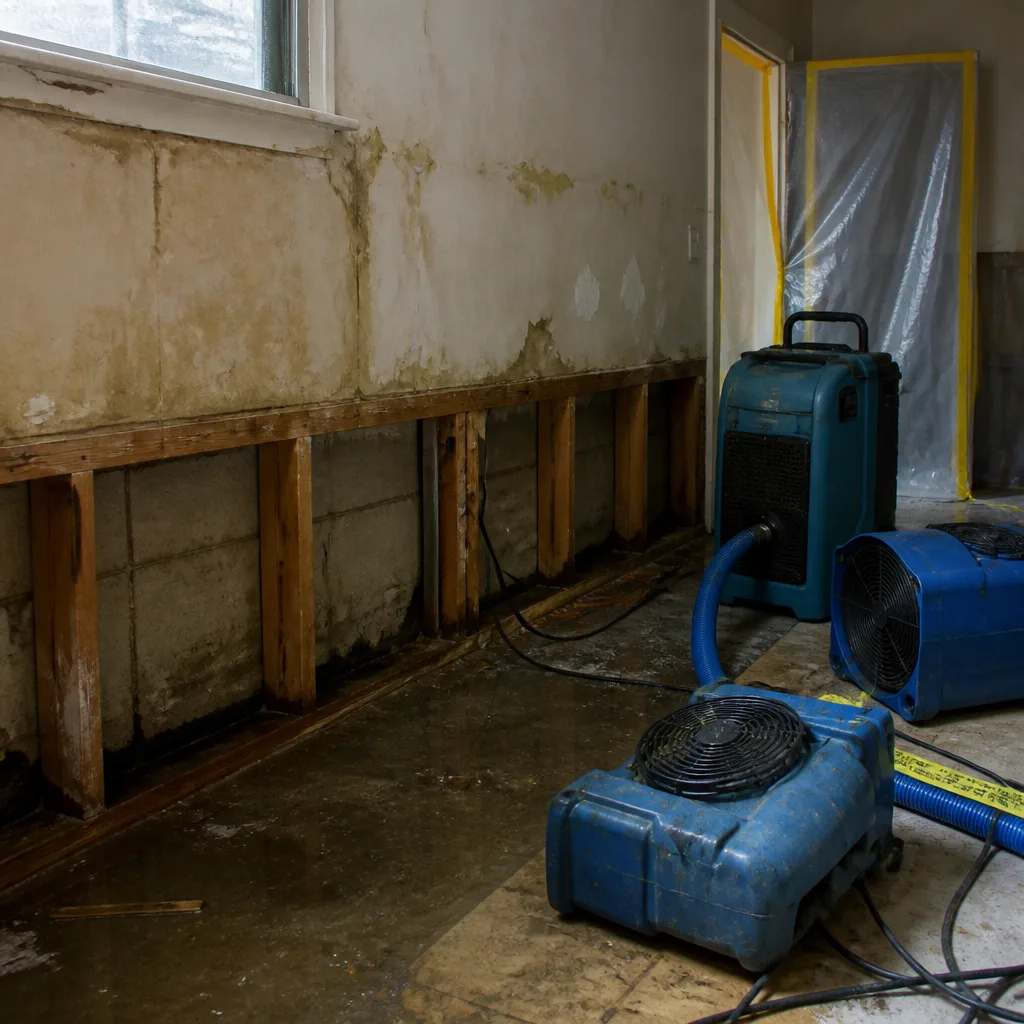 Before
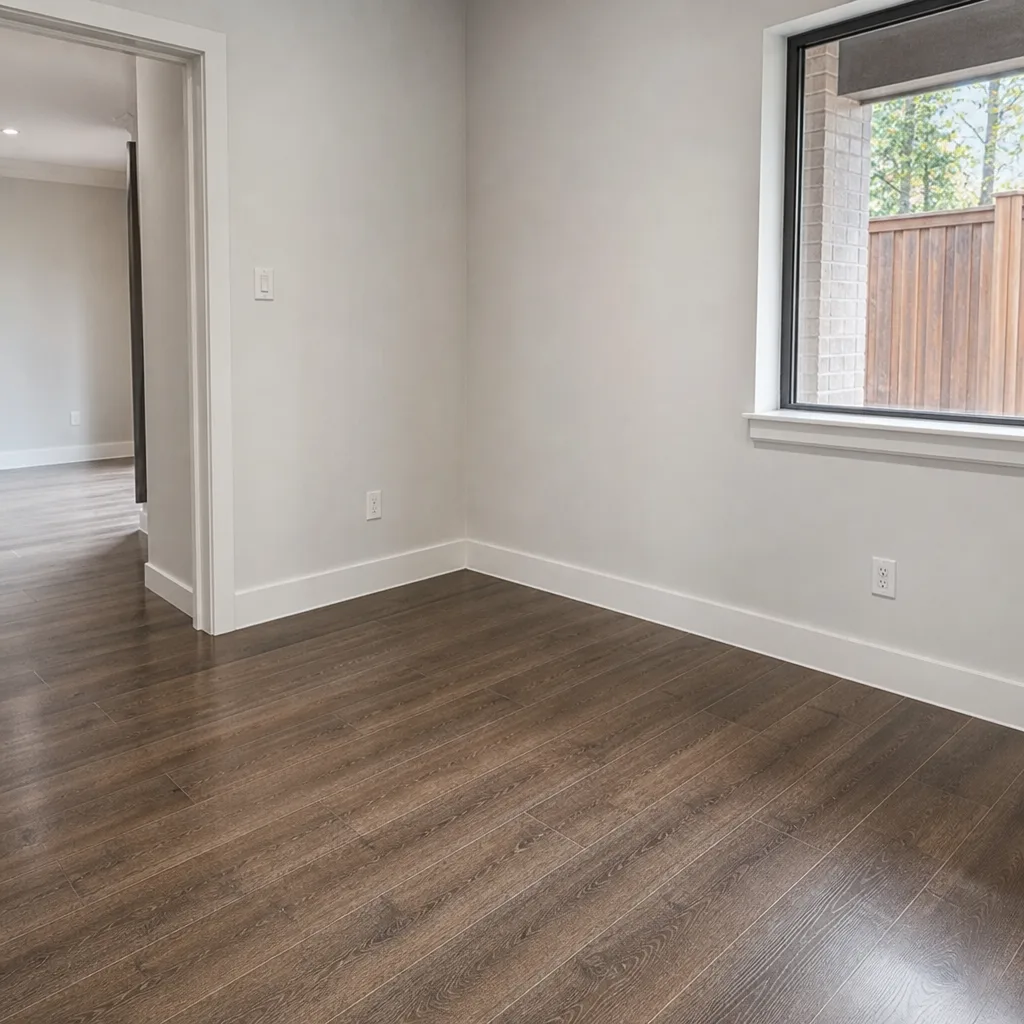 After
After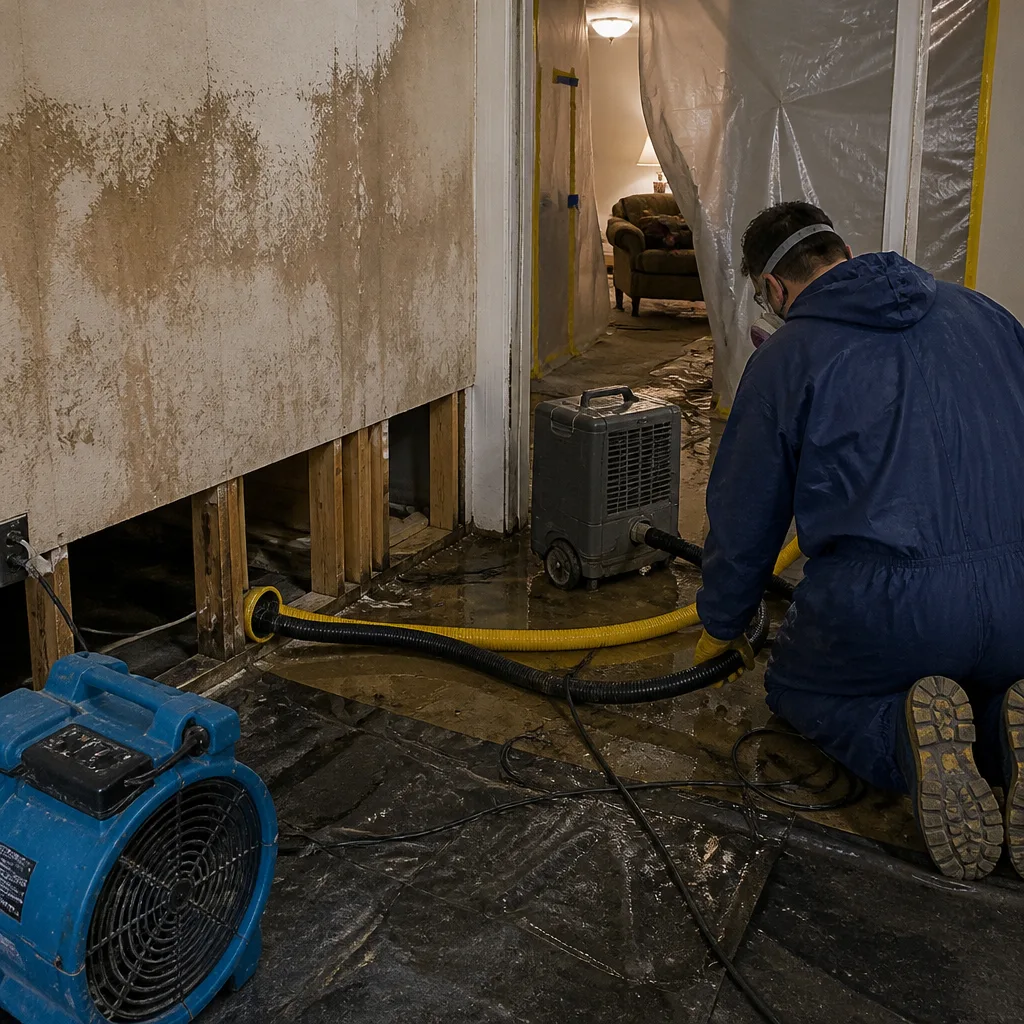 Before
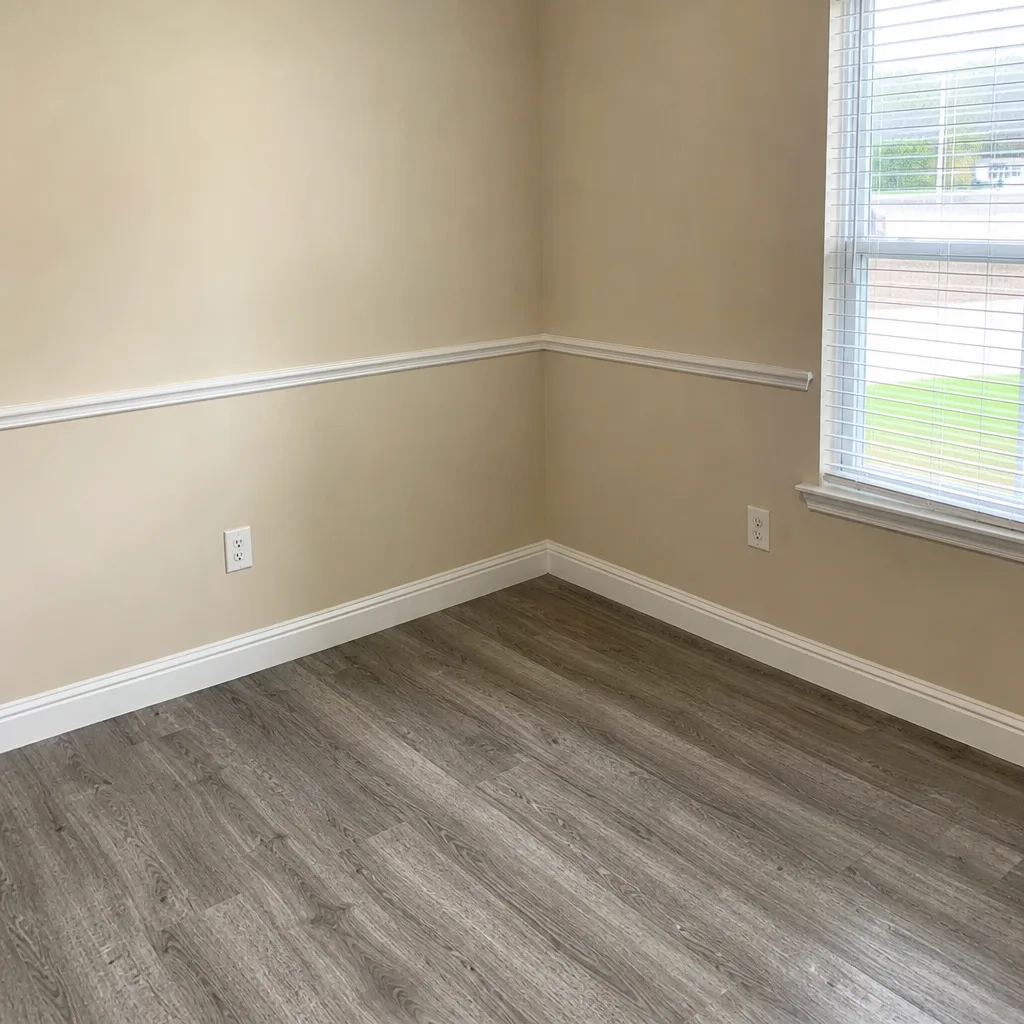 After
After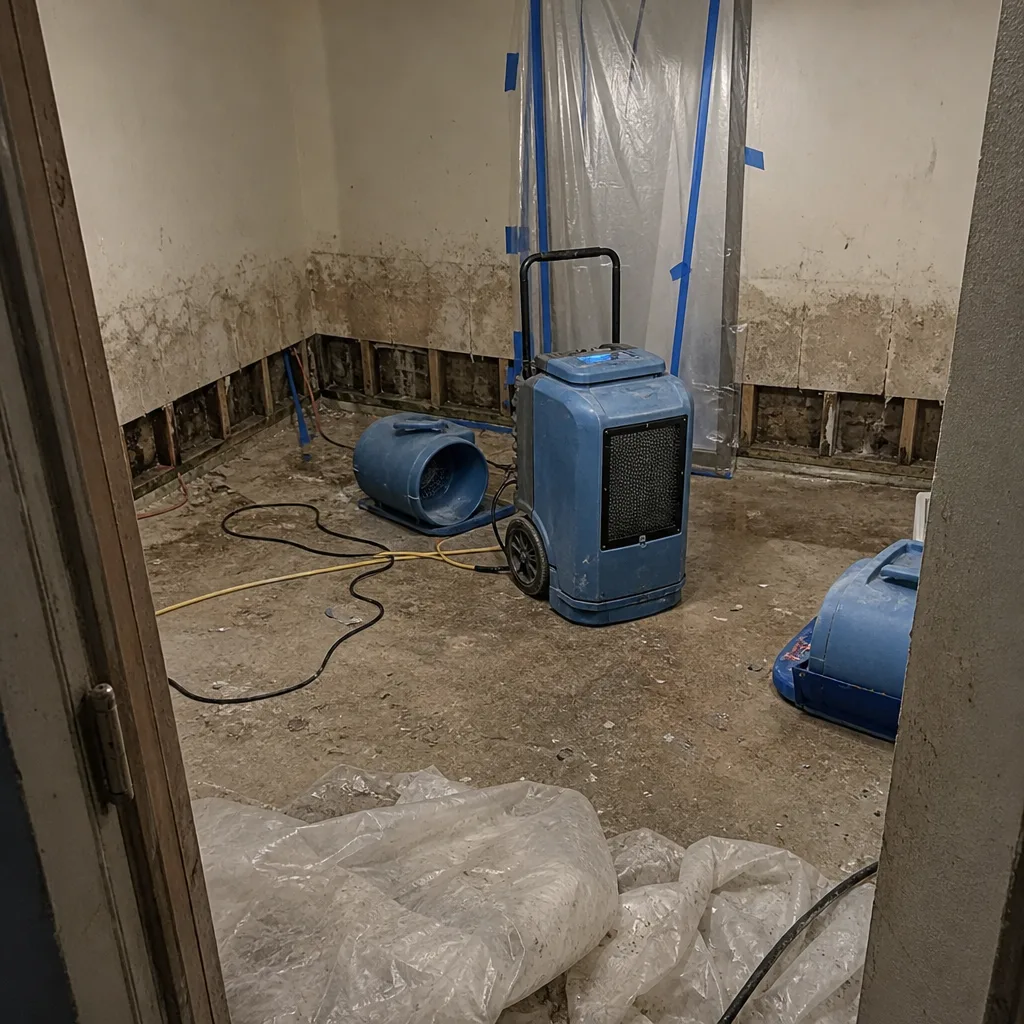 Before
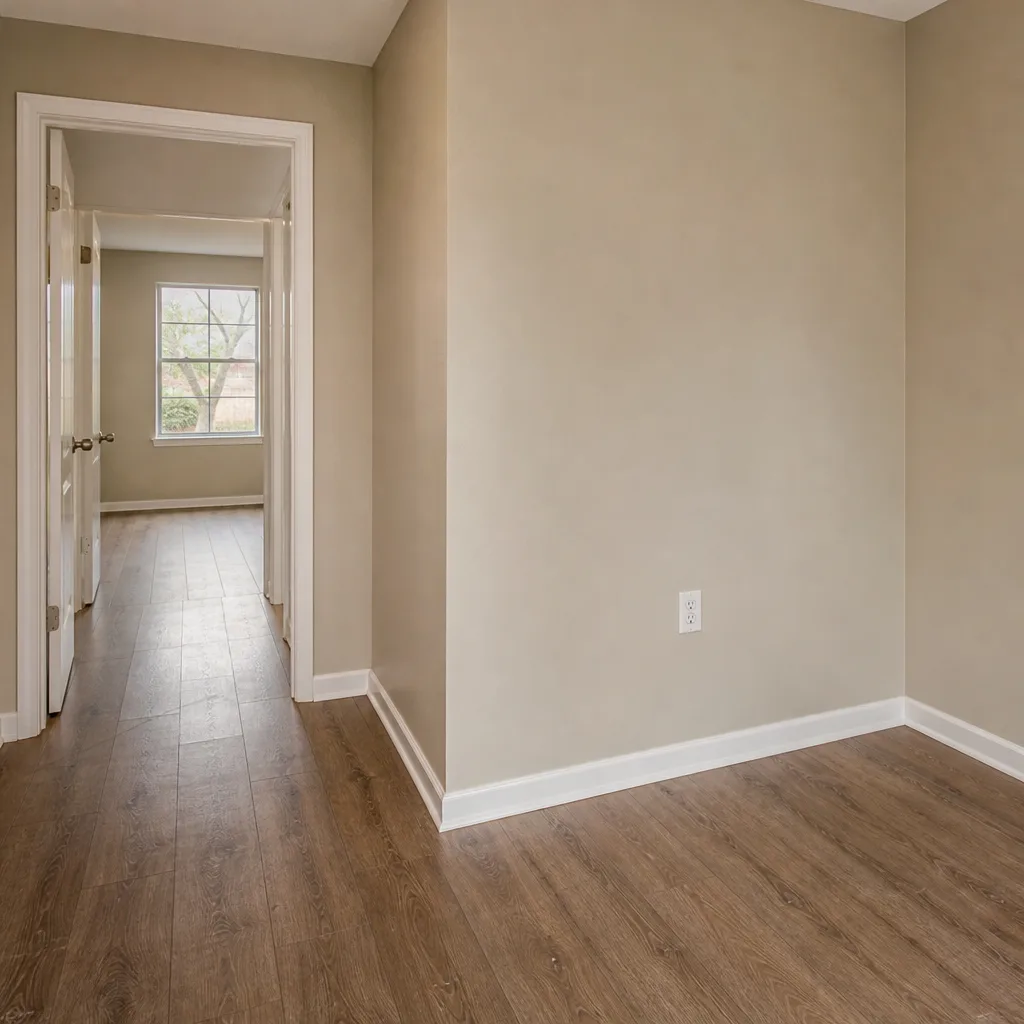 After
After