
Last updated October 16, 2026
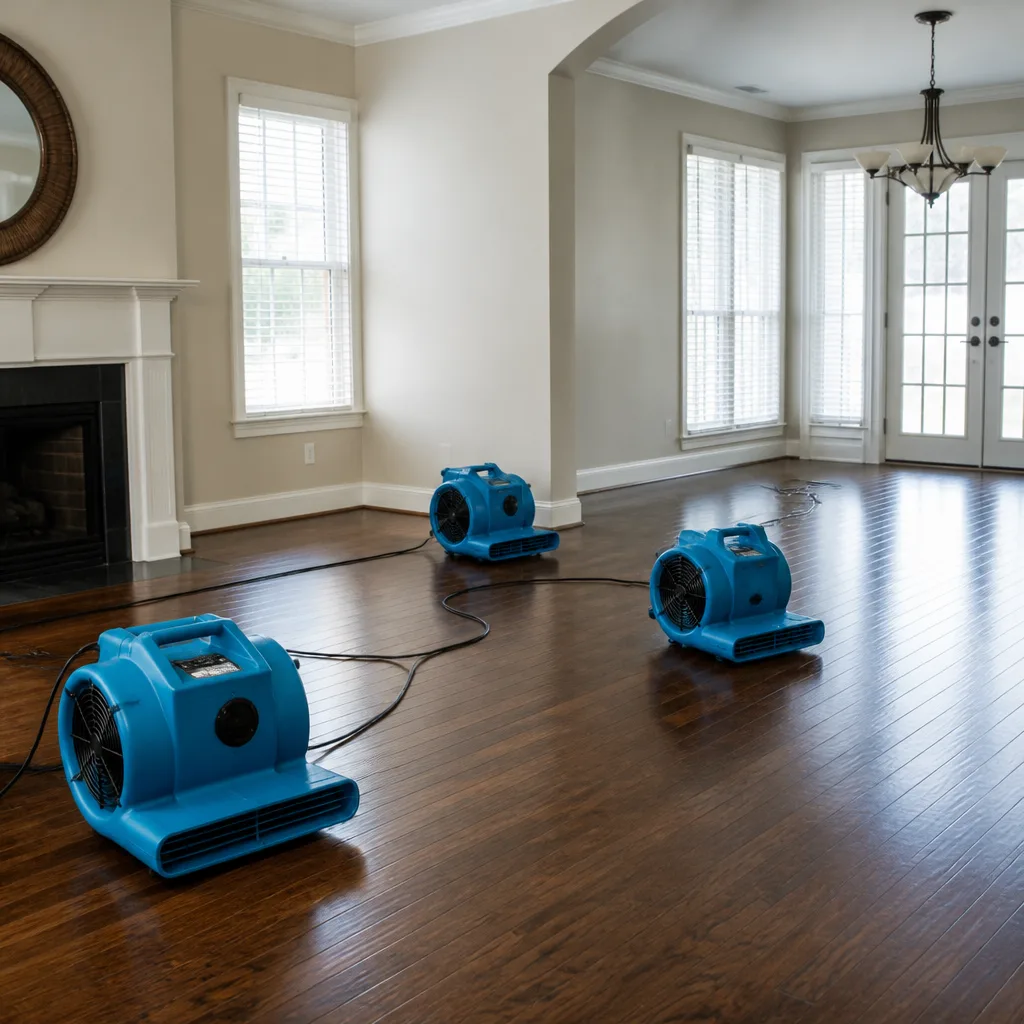 Water damage drying
 Fire & smoke cleanup
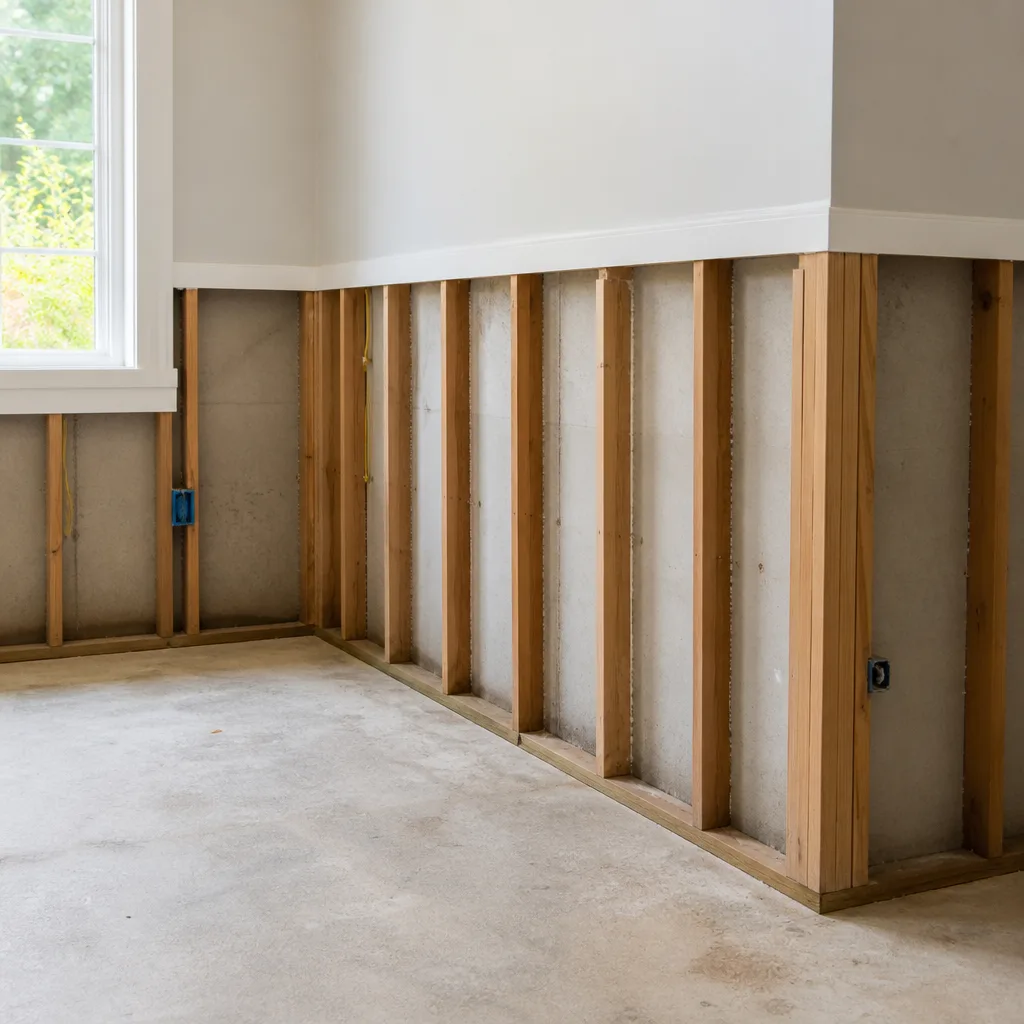 Mold remediation
 Storm response
 Sewage cleanup
 Reconstruction
Free visual inspection and a written scope of work before any mitigation begins - photos, moisture readings, and drying logs go in your claim file
The scope we write is the scope we bill. Anything new gets shown to you, in writing, before we touch it.
Get your free estimateSeasonal Damage Restoration Care for Fort Worth: Year-Round Homeowner’s Guide
Fort Worth’s coldest days arrive faster and leave faster than almost any major Texas city. A hard freeze can sweep through on a Tuesday night and be gone by Thursday afternoon, which means pipes that freeze in January are often dismissed as a one-off rather than a signal that the home’s insulation and heat-tape situation needs a permanent fix before next winter. That short memory is expensive. This guide walks through the two damage peaks that actually define Fort Worth home care, the spring storm window and the winter freeze window, and gives you a month-by-month plan for keeping water, mold, and fire risks from turning into restoration projects. For a deeper dive, see The Complete Guide to Damage Restoration in Fort Worth. Written from our experience as a Fort Worth restoration team, it includes the inspection points, the specific tasks, and the documentation habits that save homeowners real money when a claim is filed.
Quick Answer
Seasonal damage restoration care in Fort Worth means preparing for two distinct peaks: severe spring storms that drive water into attics, soffits, and foundations, and short but violent winter freezes that rupture pipes and expose weak insulation. A practical year-round plan includes post-hail attic inspections in spring, HVAC condensate line monitoring in summer, a six-task pre-freeze checklist in fall, and a 30-minute burst-pipe response protocol in winter, all documented in a Water Damage Restoration Maintenance Checklist for Fort Worth Homeowners or seasonal home log that strengthens insurance claims.
Restoration work we handle
Table of Contents
- Spring Storms: The Moisture Load Fort Worth Homes Carry Into Summer
- Summer Heat: What Long Drying Cycles Hide and How Condensate Lines Fail
- Fall: The Pre-Freeze Window Checklist Every Fort Worth Home Needs
- Winter: The First 30 Minutes After a Burst Pipe
- The Seasonal Home Log: Evidence for Insurance, a Living Document for the Next Owner
- Common Mistakes to Avoid
- When to Call a Professional
- Frequently Asked Questions
Spring Storms: The Moisture Load Fort Worth Homes Carry Into Summer
Fort Worth’s spring storm season runs from March through May, and it is the single largest contributor to hidden water damage in Tarrant County homes. The hail events that roll through places like Wedgwood, Ridglea Hills, and Arlington Heights get plenty of attention for roof damage, and rightly so. But the damage we see most often in restoration work is not the missing shingle. It is what happens after water finds its way into the attic and sits there.
What matters most after a Fort Worth hail event is not just whether the roof has visible dents or missing shingles. The questions are structural: Did the impact compromise the vapor barrier? Did water find its way into the soffit vents and follow the underside of the roof deck inward? Did the attic insulation soak up moisture that will now sit in a warm, dark space through the hottest months of the year?
Post-Storm Attic Inspection: What To Check Beyond the Roof
After any hail event or severe thunderstorm, walk the attic if you can safely access it. Here is what to look for:
- Soffit vent stains: Water that enters through soffit vents leaves a characteristic stain pattern, a dark ring that spreads outward from the vent opening. This is water that never touched the roof surface at all.
- Vapor barrier creases or tears: The plastic or foil sheet under your insulation should lie flat. Hail impact can shift decking enough to pinch or tear it, and once that barrier is compromised, warm indoor air carries moisture into the attic every single day.
- Wet insulation weight: Cellulose and fiberglass both compress when wet. If you press a section of insulation and it does not spring back, it has absorbed water and lost its R-value.
- Rust on nail points: The nails that poke through the roof deck into the attic are the first place rust appears when water has been sitting. If the nail tips are rusty but the shingles above look fine, water has been migrating under the deck.
- Daylight through the deck: After a hail event, small punctures can open in the decking that are not visible from outside. Turn off the attic light and look for pinpoints of daylight.
In our experience in Fort Worth, homes built in the 1970s and 1980s, common across Como, Meadowbrook, and East Fort Worth, often have older vapor barriers and soffit configurations that redirect water inward rather than shedding it. Those homes benefit from a professional attic assessment after any storm that drops hail larger than a dime.
Foundation Movement During Wet Springs
Spring is also the season when Fort Worth’s clay soil does what clay soil does: it expands. Weeks of rain saturate the soil around foundations, and the soil swells unevenly, pushing against slab edges and pier-and-beam supports. Most foundation movement in Fort Worth is seasonal and gradual, not sudden, but the moisture that drives it is the same moisture that ends up in crawl spaces and against exterior walls.
What to do during a wet spring: keep gutters clear, make sure downspouts extend at least six feet from the foundation, and watch for cracks that widen noticeably over a four to six week period. A crack that goes from hairline to the width of a quarter in a single season is worth documenting with photos and measuring. That documentation matters later, whether you’re filing a claim or just tracking the home’s seasonal movement patterns.
Summer Heat: What Long Drying Cycles Hide and How Condensate Lines Fail
Fort Worth summers are long, hot, and relentless. From June through September, the air conditioner runs nearly continuously, and that means your HVAC condensate line is working harder than almost any other water-handling component in the home. When that line clogs or backs up, the water it condenses out of the air has to go somewhere. That somewhere is usually the air handler pan, then the attic floor, then the ceiling below.
Condensate line failures are among the most common sources of summer water damage we see in Fort Worth, and they almost always happen during peak runtime months, when the line is producing the most water and has the least chance to dry out between cycles.
How to Monitor Your Condensate Line During Peak Cooling Months
A properly sloped condensate drain line should have a visible downward pitch from the air handler to the exit point. In most Fort Worth homes, that exit is either a PVC pipe sticking out of the exterior wall near the condenser or a connection into a bathroom sink drain. Here is a simple monthly check from June through September:
- Look at the exterior exit point: During a hot afternoon when the AC has been running, you should see a steady drip of water. No drip means water is backing up inside.
- Check the emergency overflow pan: In the attic, the pan under the air handler should be dry. If there is standing water, the primary line is clogged and the pan is doing its job. Do not ignore it.
- Listen for gurgling: A properly flowing condensate line is silent. Gurgling or bubbling sounds from a bathroom sink when the AC runs full-blast often mean the line is partially blocked and air is being pulled through the water.
- Look at the slope: The pipe should slope downhill from the air handler at roughly one-quarter inch per foot. A sagging section of PVC creates a trap where algae and debris collect. In Fort Worth’s hard-water environment, mineral scale builds up inside these lines faster than in softer-water regions.
- Watch for ceiling stains near the air handler: A slow condensate overflow can leave a faint yellow ring on the ceiling below the attic unit before it ever becomes an active leak. That ring is the tide mark. It tells you exactly where water has flowed, and it is the first thing we look for on a water damage call.
A tide mark is the line water leaves on a wall or ceiling as it recedes. It is the first thing our technicians look for on every job, because it shows where the water actually went, not just where it pooled.
The Hidden Risk of Long Drying Cycles
Here is what makes Fort Worth summers unique from a restoration standpoint: the heat dries everything so quickly that homeowners often don’t realize water damage occurred at all. A small leak in June soaks a section of drywall, the Texas sun dries it within days, and by August the only evidence is a faint stain and a slightly soft spot. The moisture is gone from the surface, but the mold spores that germinated in the first 48 hours are still there, dormant but viable. When the first humid fall rains arrive in October, the humidity spikes, and that dormant colony wakes up.
This is why we recommend addressing any visible water stain during the summer, even if it seems dry and harmless. The drying heat masks the problem rather than solving it.
Fall: The Pre-Freeze Window Checklist Every Fort Worth Home Needs
October and November are the months when Fort Worth homeowners should be doing genuine preparation, not the generic “winterize your home” list written for Minneapolis or Chicago. Fort Worth does not need snowblower prep or ice dam prevention. What it needs is protection against a specific failure mode: a hard freeze that arrives fast, lasts 36 to 72 hours, and then disappears.
The fall checklist below is built for that pattern. It takes a Saturday afternoon and costs less than most insurance deductibles, but it addresses the six specific vulnerabilities we see every winter in Fort Worth homes.
Six Tasks Before the First Hard Freeze
- Insulate all exterior wall pipes: In Fort Worth’s older neighborhoods, Fairmount, Mistletoe Heights, Ryan Place, many homes still have original plumbing in exterior walls. Foam pipe insulation costs a few dollars per six-foot section. Wrap every accessible cold-water line in exterior walls, garage walls, and the attic.
- Disconnect and drain all garden hoses: This is the freeze protection task most often skipped in Texas. A hose left connected to an exterior spigot traps water against the valve seat, and when that water freezes, it expands into the pipe inside the wall. The spigot may look fine on the outside. The cracked pipe is inside.
- Cover exterior spigots with insulated covers: The inexpensive foam covers sold at any Fort Worth hardware store work well for our freeze duration. For spigots on north-facing walls, which get no direct winter sun, add a second layer of insulation or use a cover with a tighter seal.
- Locate and test your main water shutoff valve: Every adult in the house should know where this is and be able to turn it by hand. A valve that has not been operated in years can seize. Open and close it once in October. If it will not budge, call a plumber before winter, not during a freeze emergency at 3:00 a.m.
- Check heat tape on any exposed piping: If your home has heat tape on exposed pipes, test it. Plug it in and feel along the cable after ten minutes. Heat tape fails silently, and a failed heat tape is worse than no heat tape because it gives false confidence.
- Seal crawl space vents if your home has a pier-and-beam foundation: Fort Worth’s older pier-and-beam homes in areas like Berkeley Place and Park Hill are particularly vulnerable to frozen pipes because the crawl space is open to the same cold air that hits the exterior. Foam vent blocks or snap-on covers are inexpensive and can be removed in spring.
We’re not going to tell you to drip faucets during a freeze, because that advice is already everywhere and it works when you are home. What matters more is what you do in October, before the cold ever arrives. That is the difference between a winter with no damage and a January phone call.
Winter: The First 30 Minutes After a Burst Pipe
Fort Worth’s winter freezes are brief but intense. When a pipe does burst, usually during or shortly after a hard freeze, the first 30 minutes determine whether you have a small repair or a restoration project that involves drywall removal, insulation replacement, and mold remediation. Here is the sequence we recommend, written from hundreds of burst-pipe calls across Fort Worth.
Minute 0 – 5: Stop the Water
Turn off the main water shutoff valve. This is the valve you located in October. If you cannot turn it, call the City of Fort Worth water emergency line while someone else works on the valve with a wrench. Do not try to find the leak first. The water is still flowing; stopping it is the only priority.
Minute 5 – 15: Kill the Power Where Water Is Present
If water is running near any electrical outlet, light fixture, or appliance, turn off the breaker for that area of the house at the panel. Water and electricity do not mix, and a burst pipe in a wall cavity often sends water down the inside of the wall to the nearest outlet. If the panel itself is wet, do not touch it, call an electrician and a restoration team.
Minute 15 – 30: Document Everything
Take photos of the active leak, the visible water, and the areas where water has spread. Open cabinet doors under sinks and photograph the wet areas. Move furniture and belongings out of the water’s path only if you can do so safely and quickly. The goal in these 15 minutes is to create a visual record that establishes the scope of damage for insurance purposes before any drying or repairs begin. Our restoration crews do the same thing on every job: photo documentation from the moment we arrive, because that record is what allows an adjuster to understand the full scope.
After 30 Minutes: Call for Drying, Not Just Repair
A burst pipe is not just a plumbing problem. The pipe can be fixed in an hour, but the water that soaked into the drywall, the baseboards, and the subfloor will sit there and create conditions for mold within 48 hours. The drying process needs to start immediately. This is where a restoration team with professional drying equipment matters. We run Dri-Eaz dehumidifiers and high-velocity air movers, the same equipment used in commercial restoration, and we map the moisture before we place a single piece of equipment, so we know exactly where the water went and exactly where the tide mark ends.
The first 30 minutes are about control. Everything after that is about drying the home correctly so it does not become a mold problem in the spring.
The Seasonal Home Log: Evidence for Insurance, a Living Document for the Next Owner
Every Fort Worth homeowner should keep a seasonal home log. This is a simple document, a spiral notebook or a note on your phone, where you record the date, the observation, and the action taken for anything related to water, moisture, or seasonal maintenance. It takes ten minutes a month and it pays for itself the first time you file a claim.
What To Record
- Date and description of any water stain or leak: “March 14, noticed dime-sized brown stain on ceiling below upstairs bathroom, no active leak.” That sentence, dated and specific, is worth its weight in insurance gold.
- Dates of gutter cleaning, downspout adjustments, and foundation checks: When you clean the gutters after a spring storm, write it down. If a neighbor’s tree drops leaves on your roof every November, noting that pattern helps explain why the gutters overflowed in the first place.
- Photos of roof, attic, and crawl space conditions: Pair every log entry with a photo. A photo of a clean, dry attic taken in May is powerful evidence when a December storm causes water intrusion and the insurance question becomes “was this pre-existing?”
- Freeze events and what you did: “January 15, hard freeze overnight, dripped faucets, no damage.” Or “January 15, hard freeze, pipe burst in garage wall, water shut off at 6:40 a.m.” The more specific the log, the easier the claims process.
- Dates and results of any professional inspection or restoration work: If you had water damage restoration done, the log entry gives you a before-and-after reference. If the same area leaks again, the log helps determine whether it is a new problem or a recurrence of the old one.
A seasonal home log is also a quietly valuable document when you sell the home. Buyers in Fort Worth ask more questions about water damage than ever, and a seller who can produce a log showing “roof replaced 2019, attic inspected after every major storm since, no active leaks as of this date” is a seller who gets a stronger offer. It is evidence, and evidence reduces fear.
Common Mistakes to Avoid
- Ignoring a dried water stain because it “dried up” over a Fort Worth summer: The heat hides the problem, it does not fix it. A stain that dries in July is a mold colony waiting for October humidity. Address the stain when you first see it.
- Using a box fan and open windows as a substitute for professional drying after a pipe burst: Fort Worth’s summer humidity works against you. A box fan pushes humid air around, it does not extract moisture. Professional drying equipment pulls water out of the structure.
- Assuming hail damage is only a roof problem: Hail damage to soffit vents, vapor barriers, and attic insulation is common in Fort Worth and rarely visible from the ground. After any hail event, inspect the attic, not just the roof surface.
- Waiting until a freeze is forecast to buy insulation and heat tape: By the time the forecast appears, the hardware stores are sold out. The October checklist exists for a reason.
- Not knowing where the main water shutoff is: Every minute you spend looking for the shutoff while a pipe is actively running water is a minute of additional damage. Locate it now, not during a freeze.
- Filing a claim without photos and documentation: Insurance adjusters work from evidence. A photo taken the day of the damage is worth more than a verbal description given two weeks later. Document first, call second.
When to Call a Professional
Some seasonal damage is manageable with a wrench and a wet-dry vac. But these scenarios call for a professional restoration team: water that has soaked into drywall or insulation, any water intrusion that has been sitting for more than 48 hours, visible mold growth of any size, water that has reached electrical outlets or fixtures, or a burst pipe that flooded more than a single room. If you are unsure whether you have a real problem or a manageable one, a free estimate answers the question without committing you to anything. We offer water damage restoration in Fort Worth with no-hassle upfront pricing, and we will tell you honestly if the job is small enough to handle yourself. Call (682) 703-9856 for a free estimate.
Frequently Asked Questions
Water damage restoration in Fort Worth typically runs between $1,200 and $4,500 depending on the size of the affected area, the materials involved, and how long the water sat before drying began. For detailed pricing factors, see our Damage Restoration Cost Breakdown: The Fort Worth Homeowner’s Reference for 2026. A small pipe burst contained to a single bathroom may fall on the lower end, while water that soaked into multiple rooms and requires drywall removal and mold remediation can reach the higher end or beyond. Every Tidemark job includes a written price before any work starts, so you know the number before equipment comes into the house. Call (682) 703-9856 for an exact quote, free of charge.
Most standard Texas homeowners policies cover sudden pipe bursts and the resulting water damage, provided the home was not left unheated or unoccupied without reasonable precautions. The key question adjusters ask is whether the damage was sudden and accidental or the result of long-term neglect. A seasonal home log with dated maintenance entries is the best evidence you can provide to show reasonable care. We photograph all damage before work begins and coordinate directly with adjusters, so the documentation is in place from the first day.
Tidemark answers calls with a live person 24 hours a day, 7 days a week, and we dispatch teams to Fort Worth homes on the same day for active water emergencies. Burst pipes and storm water intrusion are time-sensitive, so we treat them that way. If the damage is not actively spreading, we can schedule a free estimate at a time that works with your family’s routine, including evenings and weekends.
If mold is visible on walls, ceilings, or baseboards, or if there is a persistent musty smell after a water event, remediation is usually necessary, not just surface cleaning. Surface mold on non-porous materials like tile can sometimes be cleaned, but mold that has penetrated drywall, insulation, or carpet backing requires removal of the affected material. Our mold remediation in Fort Worth team uses moisture mapping to find the full extent of the growth, not just the visible portion, and we always explain the scope in writing before work starts.
After a hail storm, take photos of the roof, the yard, and any visible damage. Then inspect the attic for the signs described in this guide: soffit stains, wet insulation, rust on nail points, daylight through the deck. Cover any obvious openings with a tarp if you can do so safely, then call your insurance company and a restoration team for an assessment. The faster water is prevented from entering, the smaller the restoration scope will be.
Preventing mold after a pipe burst comes down to one thing: removing moisture faster than mold can germinate. In Fort Worth’s summer conditions, mold can begin growing within 48 hours. Professional drying with dehumidifiers and air movers is the only reliable way to dry wall cavities and subfloor spaces that are impossible to reach with towels and fans. We use Dri-Eaz equipment and moisture meters to confirm the structure is actually dry, not just dry to the touch, before we call the job complete.
The Bottom Line
Fort Worth’s climate demands a different approach to home care than the generic four-season guides written for northern states. The damage calendar here has two peaks: a spring storm season that loads moisture into attics and foundations, and a brief winter freeze that exposes every weakness in pipe insulation and heat tape. Between those peaks, the long Texas summer hides the damage, drying surfaces while dormant mold waits for the next humid spell. The practical answer is simple: inspect after spring storms, monitor through the summer, prepare in October, respond fast in January, and document everything in a seasonal home log. A few hours of attention each season keeps a Fort Worth home dry, safe, and ready for whatever the next storm brings. Find more guides & resources on our blog.
Written by Rick Sumner, Owner at Tidemark Water Damage Fort Worth, serving Fort Worth since 2006.
See the difference
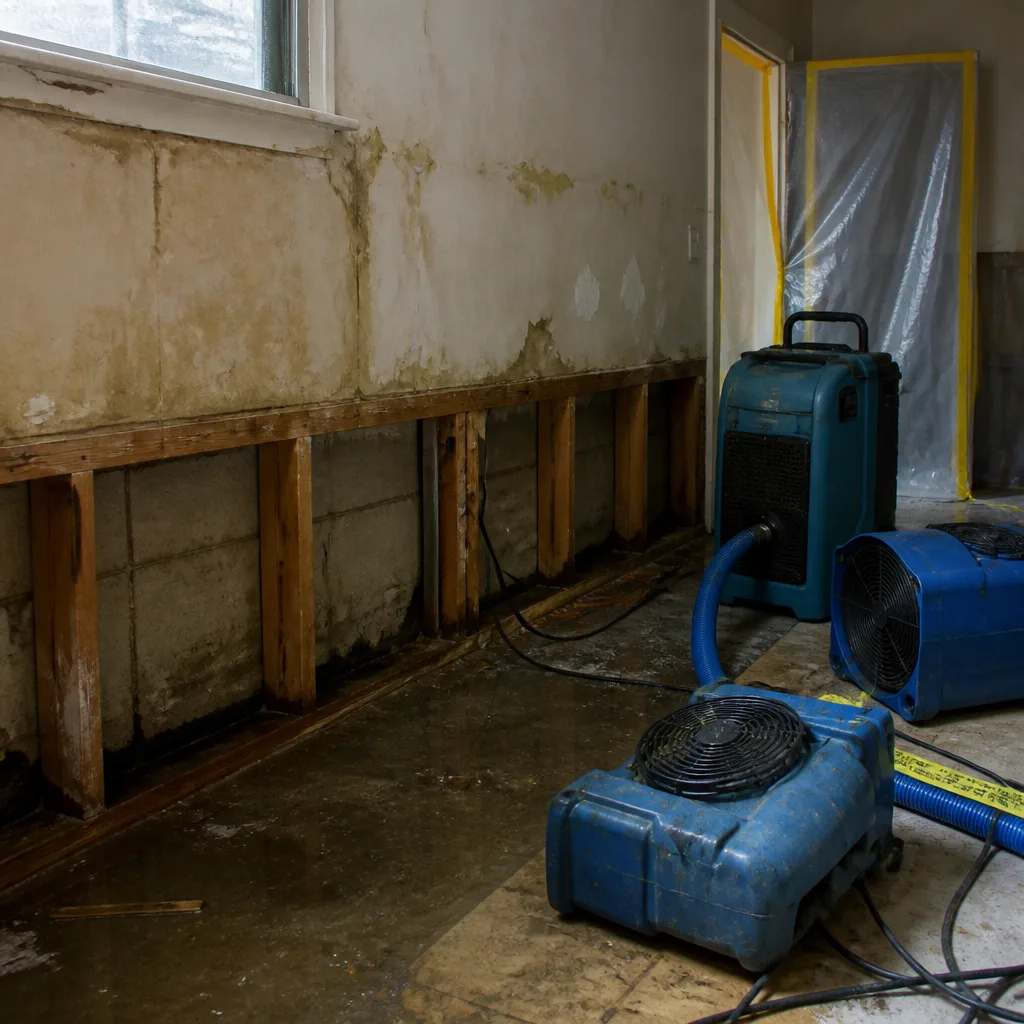 Before
 After
After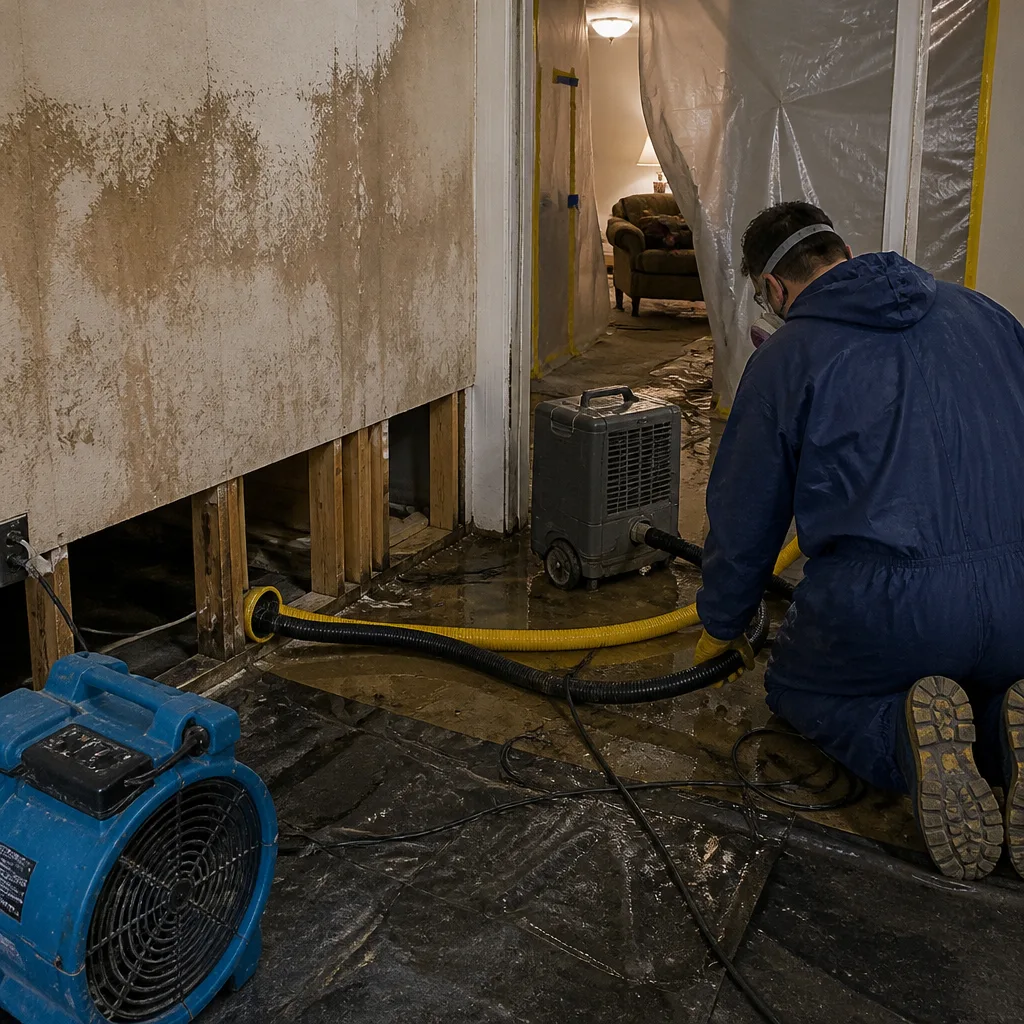 Before
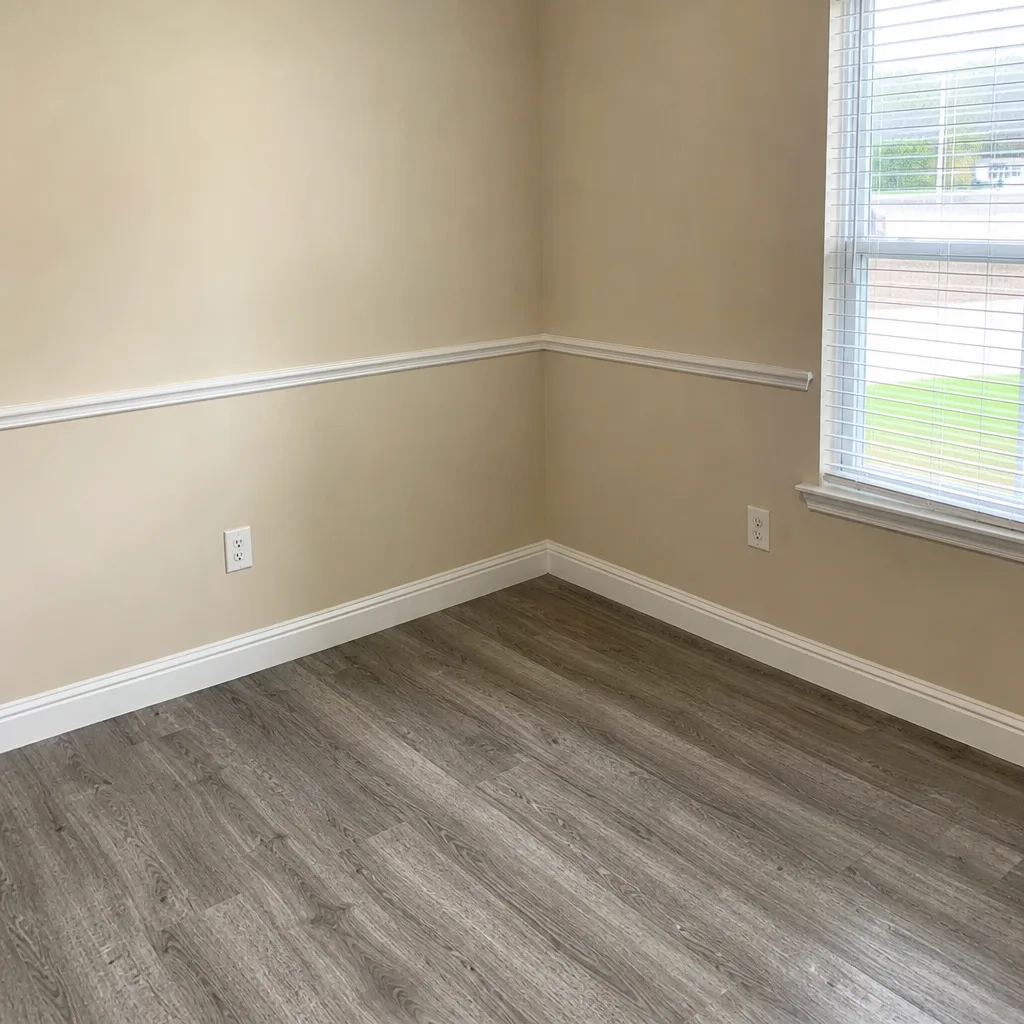 After
After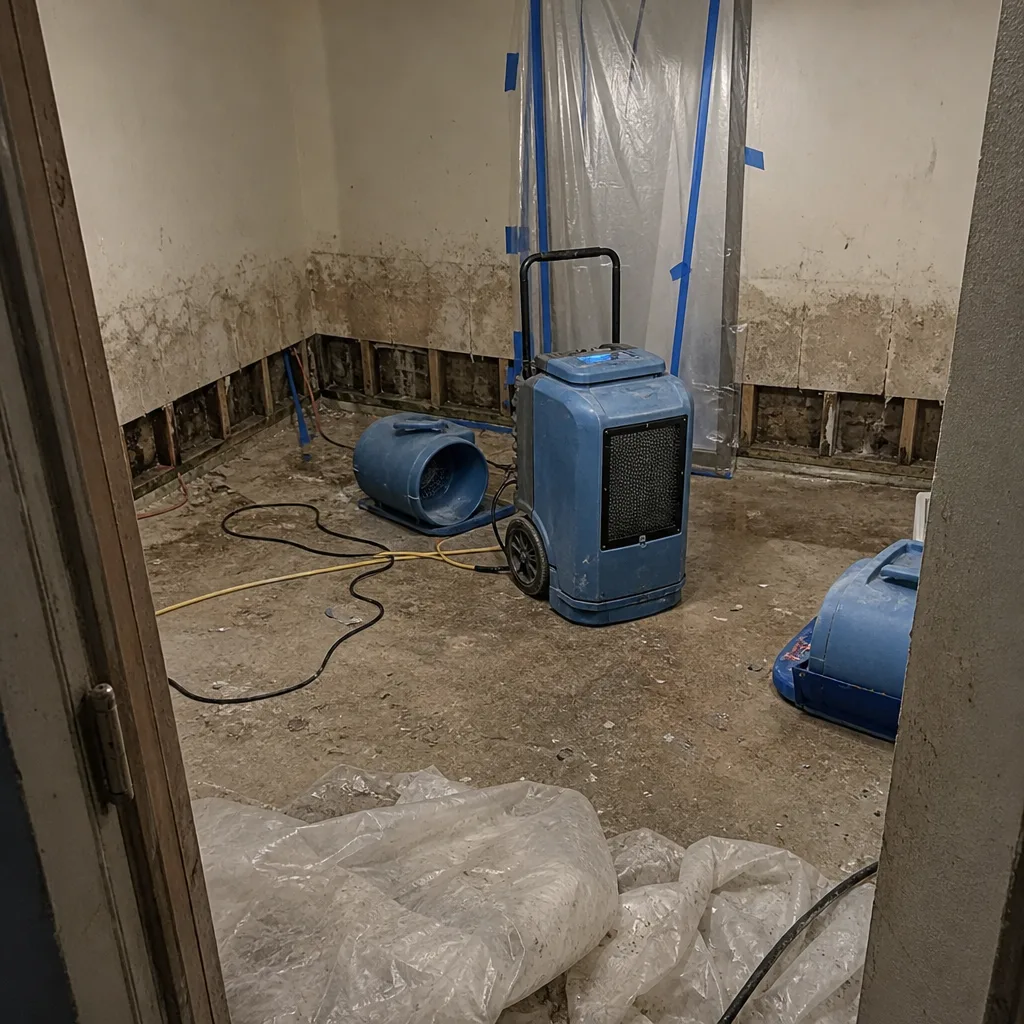 Before
 After
After