
Last updated October 16, 2026
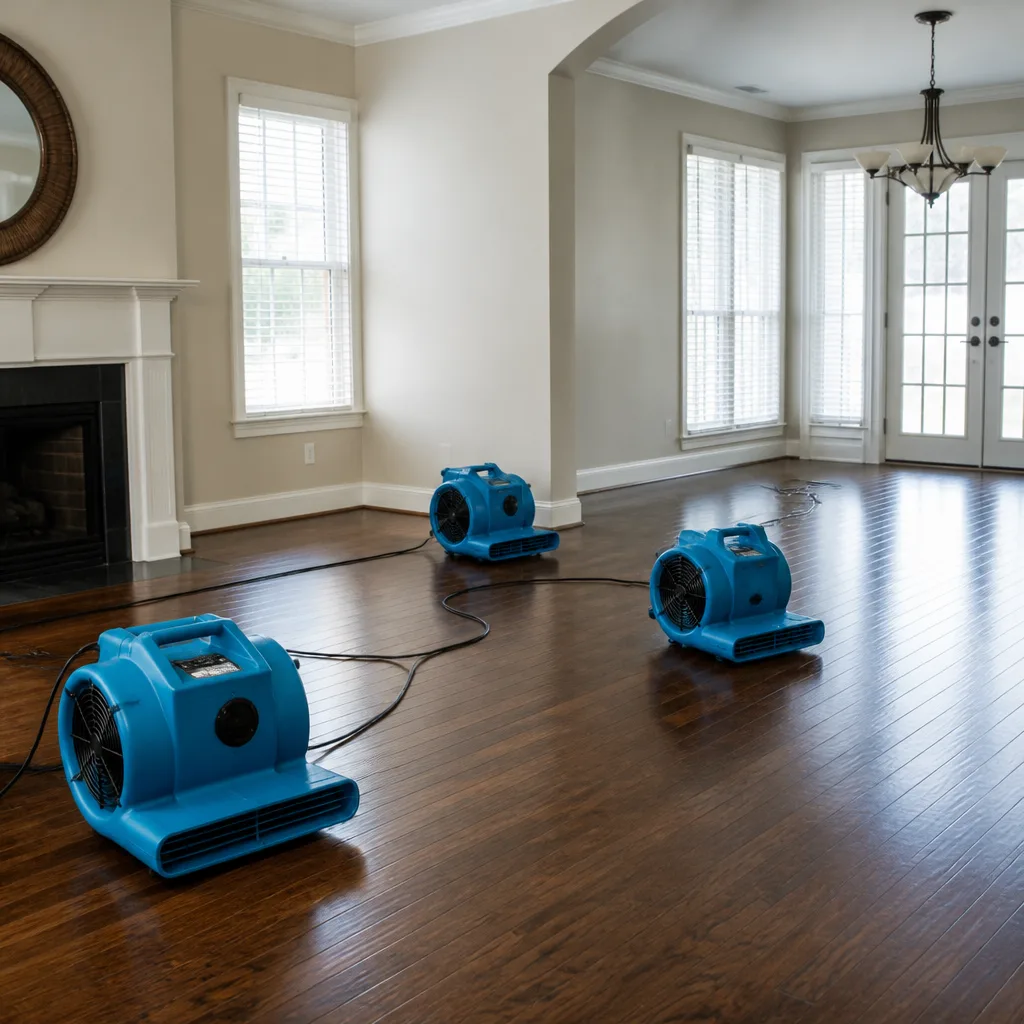 Water damage drying
 Fire & smoke cleanup
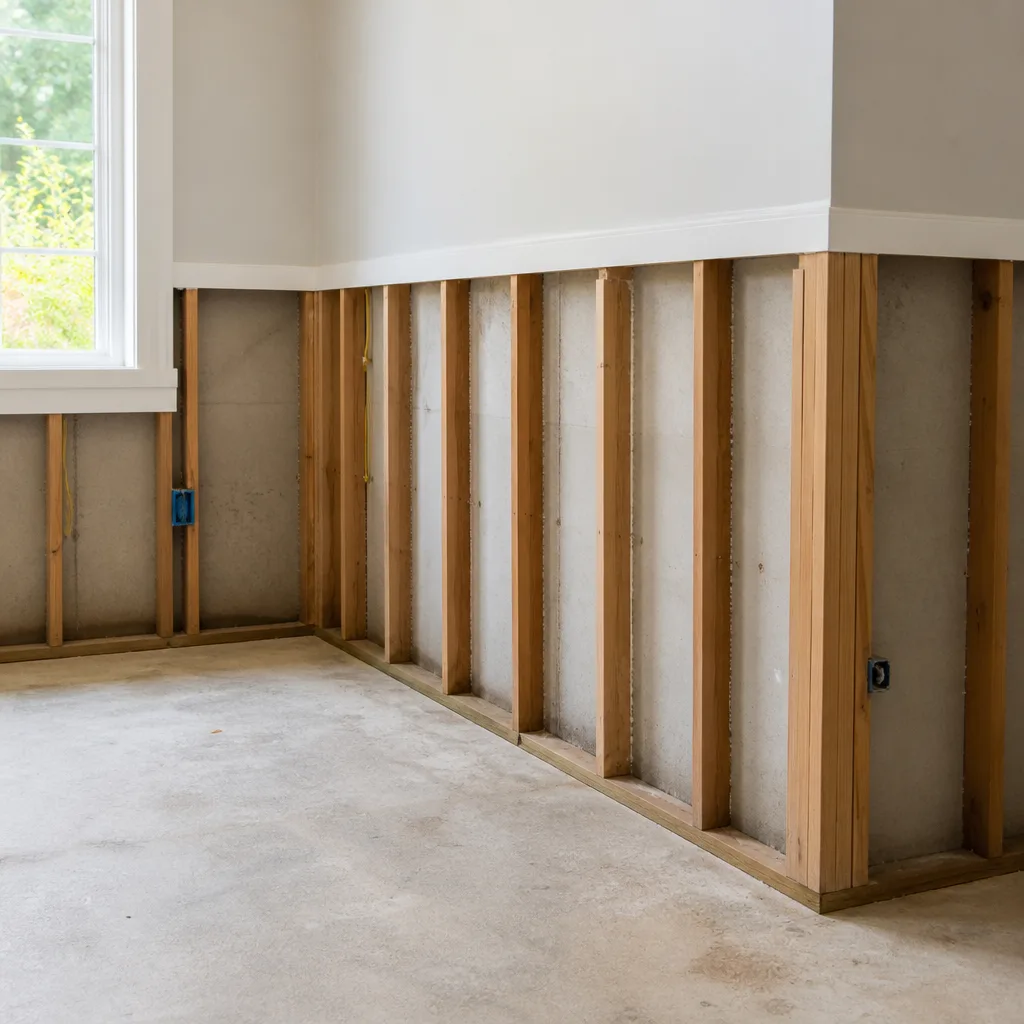 Mold remediation
 Storm response
 Sewage cleanup
 Reconstruction
Free visual inspection and a written scope of work before any mitigation begins - photos, moisture readings, and drying logs go in your claim file
The scope we write is the scope we bill. Anything new gets shown to you, in writing, before we touch it.
Get your free estimateHow to Hire a Damage Restoration Contractor in Fort Worth: A Step-by-Step Guide
Texas does not require a state license specifically for water damage restoration. Anyone with a truck, a fan, and a business card can call themselves a restoration contractor in Fort Worth. That means the most important document you will ever receive is not a certificate on the wall or a logo on a shirt. It is the written scope of work. Most homeowners do not lose money because they hired an unqualified person. They lose money because they signed a contract that let a qualified-sounding company do less than they promised. This guide teaches Fort Worth families how to read the paper before they trust the person, and our complete guide to damage restoration in Fort Worth covers even more ground.
Restoration work we handle
Quick Answer
To hire a damage restoration contractor in Fort Worth, get a written scope of work before any work starts, verify the contractor’s insurance independently through the Texas Department of Insurance, check for IICRC certification, and compare scopes line by line rather than comparing bottom-line numbers, using our Water Damage Restoration Maintenance Checklist for Fort Worth Homeowners as a reference. Walk away from any contractor who asks you to sign an assignment of benefits before you have seen a written price.
Table of Contents
- Why the Contract Matters More Than the Credentials
- The Five Clauses to Look For, and Two to Walk Away From
- How to Verify Insurance in Texas in Under Five Minutes
- What IICRC S500 Certification Actually Means
- Why the Lowest Bid Is the Highest Risk
- Questions That Reveal Whether They Trace the Water or Chase the Job
- How to Read a Drying Plan
- Common Mistakes to Avoid
- When to Call a Professional
- Frequently Asked Questions
- The Bottom Line
Why the Contract Matters More Than the Credentials
In Fort Worth, the restoration industry operates without a state-mandated license specific to water damage. That is not a loophole. It is a structural reality. Plumbers have licenses through the Texas State Board of Plumbing Examiners. Electricians have them through TDLR. Restoration contractors do not. They may hold certifications, but certification is voluntary. Nothing stops an uncertified person from drying out a flooded house in North Richland Hills or Benbrook.
This is why the written scope of work functions as the de facto license. A scope of work lists exactly what will be done, where, with what equipment, for how long, and at what price. The more specific the document, the more accountable the contractor. The vaguer the document, the more room there is for the final invoice to surprise you.
We have walked into Fort Worth homes where a previous contractor had written “dry affected areas” as the entire scope. No square footage. No equipment list. No drying goal. No moisture reading targets. The homeowner had no idea what they had agreed to pay for. The crew showed up, placed two fans in a hallway, and left after three days. The walls were still wet. The invoice was not optional.
Compare that to a scope that says: “Remove baseboards in living room east wall, 14 linear feet. Drill 1-inch holes at 16-inch intervals. Set one Injectidry floor drying system with mat coverage of 200 square feet. Take moisture readings daily. Dry until hardwood reaches 9% moisture content or lower, matched to unaffected area.” That second document tells you what you are buying. The first tells you nothing.
Before you ask about credentials, ask to see the paper. The paper is the credential.
The Five Clauses to Look For, and Two to Walk Away From
Most restoration contracts in Fort Worth are dense, legalistic, and written to protect the contractor. That does not make them dishonest. It makes them contracts. Your job is to read them anyway. Here are the five clauses that protect you, and the two that should send you out the door.
Clauses to Look For
- A specific scope of work with measurements. Square footage, linear feet, number of rooms, equipment types, equipment counts, and drying goals. If a single line says “dry as needed,” ask for the number behind “as needed.” There is always a number.
- A written price tied to the scope. The price should reference the scope directly. If the scope changes, the price changes, and that change happens in writing before new work starts. We deliver a written price before any work begins at Tidemark Water Damage Fort Worth. That is our standard, not an exception.
- A drying goal expressed as a number. For hardwood, that is usually 9-12% moisture content. For drywall, below 16%. For framing, below 16-18%. If the contract does not state a target moisture content, there is no objective finish line.
- A clear payment schedule. You should know what is due when. Deposits on mitigation work are common, but the schedule should be explicit. Final payment should be tied to completion of the scope, not to the calendar.
- A clause stating who performs the work. Many Fort Worth restoration companies sell the job and then subcontract it to an entirely different crew. The contract should state whether employees or subcontractors will enter your home, and it should confirm that any subcontractors carry their own insurance.
Clauses to Walk Away From
- Assignment of Benefits (AOB) signed before you see a price. An AOB transfers your insurance rights to the contractor. It allows them to bill your insurer directly and negotiate on your behalf. In the right context, that is useful. In the wrong context, it means the contractor controls the money and you have no leverage. Never sign an AOB before the scope and price are in writing. A contractor who pressures you to sign an AOB immediately is not chasing the water. They are chasing the claim.
- A blank authorization to begin work. Some companies ask you to sign a “work authorization” that contains no scope, no price, and no limit. That is not an authorization. That is a blank check. If the document has empty fields for price or scope, do not sign it. Write “see attached scope” in the field and attach the scope. If they resist, leave.
The paper is not a formality. It is the only enforceable record of what was promised. Read every line. If a clause does not make sense, ask for plain-language explanation. If they cannot explain it, they should not be asking you to sign it.
How to Verify Insurance in Texas in Under Five Minutes
A certificate of insurance is a piece of paper that says the contractor had insurance on the day the certificate was issued. It does not prove the policy is still active. It does not prove the policy limits are real. It does not prove the policy covers water damage restoration. It proves only that a PDF was generated.
Here is how to verify insurance independently in Texas, and it takes less time than ordering a coffee.
- Ask for the name of the insurance carrier, not just the agent. The carrier is the company that actually pays claims. The agent is the middleman. You want the carrier’s name, the policy number, and the policy limits for general liability and workers’ compensation.
- Call the carrier directly. Do not call the agent. Do not call the number printed on the certificate. Look up the carrier’s claims or policy verification number yourself. Ask: “Is policy number [X] active as of today? What are the limits? Does the policy cover water damage restoration work?” The carrier will answer. It takes three minutes.
- Verify workers’ compensation separately. In Texas, private employers are not required to carry workers’ compensation. Some restoration contractors operate without it. If a worker is injured in your home and the contractor has no workers’ comp, the injured worker can sue you personally. Ask directly: “Do you carry workers’ compensation?” If the answer is any version of “we’re exempt,” that is a risk you need to price into your decision.
- Check the policy’s effective and expiration dates. Insurance lapses. A policy that expired in March does not protect you in June. Confirm the dates match the period when work will happen.
- Ask for an additional insured endorsement. This adds you to the contractor’s policy for the duration of your specific job. Most carriers issue this endorsement in a day. It costs the contractor nothing or nearly nothing. If a contractor hesitates, ask why.
In Fort Worth, we have seen homeowners accept a certificate that listed a policy number belonging to a cancelled policy. The cancellation had happened months earlier. The homeowner found out when a wall collapsed and the claim was denied. Five minutes on a phone call with the carrier would have prevented it.
What IICRC S500 Certification Actually Means
The IICRC is the Institute of Inspection, Cleaning and Restoration Certification. It is the closest thing the restoration industry has to a professional standard. The S500 is the specific standard for professional water damage restoration. It runs over 200 pages. Most contractors have never read it. Certified ones have been tested on it.
Here is what S500 certification actually requires a contractor to do differently on a job site, in plain terms.
Classify the water correctly. S500 divides water damage into categories: Category 1 is clean water from a supply line. Category 2 is contaminated water from a washing machine overflow or dishwasher discharge. Category 3 is grossly contaminated water from sewage or floodwater. Each category requires different PPE, different cleaning methods, and different disposal standards. A contractor who treats Category 3 water like Category 1 water is not following the standard. The risk is not theoretical. Sewage water contains pathogens that survive on surfaces for weeks.
Classify the damage correctly. S500 also divides damage into classes based on how much of the structure is wet. Class 1 is minimal. Class 4 is deep saturation in hard-to-dry materials like hardwood, plaster, and concrete. The class determines how many air movers are needed, how many dehumidifiers, and how long drying will take. A contractor who places two air movers in a Class 4 loss is guessing. The math in S500 tells them they need more.
Document the drying process. S500 requires daily moisture readings, plotted over time. The goal is not “it feels dry.” The goal is a measurable moisture content that matches the unaffected area. If a contractor cannot show you a drying log with daily readings, they are not following the standard, whether they have the certificate or not.
Protect unaffected areas. S500 requires containment barriers to prevent dust and mold spores from spreading. It requires protecting floors and furnishings. In practice, that means shoe covers, drop cloths, and plastic barriers. At Tidemark Water Damage Fort Worth, those items are already on the truck before the crew arrives. We do not charge extra for them. They are part of doing the job to the standard.
IICRC certification is not a guarantee of quality. But it is a baseline. A contractor who carries the S500 credential has demonstrated they know the document exists and passed a test on its contents. That is more than most. Rick Sumner, owner at Tidemark Water Damage Fort Worth, has built our process around S500 from the start, because the standard answers questions before the homeowner has to ask them.
Why the Lowest Bid Is the Highest Risk
After a water event, homeowners are anxious. The kitchen is wet. The floors are buckling. The clock feels like it is running. That is exactly the moment when a low bid looks like a lifeline. In our experience in Fort Worth, the lowest bid after a water event is statistically the highest-risk choice, and here is why.
Low bids usually come from scopes that omit work, not from efficiency. Two companies can look at the same flooded living room. One writes a scope that includes removing baseboards, drilling the wall cavity, setting a drying system, taking daily readings, and restoring the room. That scope is priced at $4,800. The other writes a scope that says “dry affected areas: 3 days.” That scope is priced at $1,900. The second bid is not cheaper because the company is more efficient. It is cheaper because the scope does less. The water that stays in the wall cavity will become mold. The homeowner will pay for mold remediation later, at a higher price, and the original low bidder will be gone.
Low bids often exclude the final inspection. Some companies price the drying but not the post-drying verification, the reconstruction, or the content handling. The final invoice lands at three times the bid because the scope was incomplete from day one.
Low bids sometimes come from companies without workers’ compensation. Insurance costs money. Workers’ comp costs money. Training costs money. Equipment from brands like XPOWER, B-Air, and Injectidry costs money. A company that undercuts everyone else is usually cutting one of those corners. The corner they cut might be the one that protects you.
How to compare scopes instead of numbers: put the two scopes side by side. Circle what is different. Does one include baseboard removal and the other does not? Does one include a drying goal and the other does not? Does one list equipment counts and the other does not? The comparison is not $4,800 versus $1,900. The comparison is a complete scope versus an incomplete one. Incomplete scopes always cost more in the end.
Questions That Reveal Whether They Trace the Water or Chase the Job
There is a difference between a company that chases the job and a company that traces the water. Chasing the job means arriving quickly, writing a fast estimate, and starting demolition before the water has even stopped moving. Tracing the water means finding where the water traveled, measuring how far it spread, and drying past the visible damage to the hidden damage.
A tide mark is the line water leaves on a wall. It is the first thing our technicians look for on every job. The tide mark tells us how high the water reached. What it does not tell us is how far the water traveled sideways, under the floor, behind the baseboard, into the wall cavity. That requires instruments: moisture meters, thermal imaging, and experience. Companies that chase the job skip that step. Companies that trace the water start there.
Here are questions to ask any Fort Worth restoration contractor before you sign:
- “What is the drying goal for this room, expressed as a number?” If they cannot give you a number, they do not have a standard. Walk.
- “How many air movers and dehumidifiers will you set, and what brands?” Professional-grade equipment from Dri-Eaz, Phoenix, XPOWER, B-Air, and Injectidry performs differently than the fans you can rent at a hardware store. The answer tells you whether they are bringing real equipment or improvising.
- “What daily documentation will I receive?” The answer should be a drying log with moisture readings. If the answer is “we’ll let you know when it looks dry,” that is not documentation. That is a guess.
- “Where do you think the water stopped, and how do you know?” This is the question that exposes the difference between tracing and chasing. A company that traces the water can show you the readings that define the boundary of the affected area. A company that chases the job points at the visible puddle and says “right here.”
- “What do you do with affected materials you cannot dry?” The answer should distinguish between what gets dried, what gets cleaned, and what gets removed and replaced. A company that does not have a clear answer on day one will make it up on day four, and that decision affects your final price.
Our tide-mark methodology means our technicians trace the water path before writing a scope. That is why our written scope references measurements, not guesses. It is why we dry past the visible damage, not up to it. The distinction sounds small. It is the difference between a house that stays dry and a house that grows mold in a wall cavity six months later.
How to Read a Drying Plan
A drying plan is the contractor’s hypothesis about how the water will leave your home. It should be specific enough to test. Here is what a useful drying plan contains, and how to read one like a professional.
- Moisture map. This is a sketch or floor plan showing which materials are wet and by how much. Each wet area should have a moisture reading. A plan without a moisture map is a plan without evidence.
- Equipment schedule. How many air movers, where they will be placed, and why. How many dehumidifiers, what capacity, and why. Air movers create evaporation. Dehumidifiers remove the moisture from the air. The counts are not arbitrary. They are calculated based on the class of water damage and the square footage affected. If the contractor cannot explain the calculation, the plan is a wish, not a plan.
- Drying goal. The target moisture content for each affected material. Hardwood, drywall, framing, concrete: each has a target. The goal should be stated in the plan, not discovered at the end.
- Monitoring schedule. How often readings are taken and how they will be shared. Daily is standard for Class 3 and 4 losses. Less frequent for smaller losses. The schedule should be in writing.
- Expected duration. A realistic range, not a promise. Most residential water losses in Fort Worth dry in three to five days with proper equipment. Some take longer. A plan that promises one-day drying is either setting unrealistic expectations or planning to leave it wet.
- Completion criteria. The conditions that define “done.” Not “it feels dry.” Specific numbers, matched to unaffected areas, documented on the final day.
Fort Worth’s climate matters here. Summer humidity in Tarrant County regularly exceeds 70%. Winter brings condensation on slab foundations that confuses moisture readings. A drying plan written for a dry climate will underperform in our humidity. A contractor who understands Fort Worth knows that dehumidifier capacity matters more here in July than it does in El Paso, as explained in our Seasonal Damage Restoration Care for Fort Worth: Year-Round Homeowner’s Guide. That local knowledge shows up in the equipment schedule, not in the marketing materials.
Water Damage Restoration in Fort Worth done correctly is a measured process, not a spontaneous one. The plan is the measure.
Common Mistakes to Avoid
- Signing an AOB before seeing a written price. This transfers your insurance rights to the contractor. Once signed, you lose leverage. The contractor bills your insurer directly, and you have little say over the scope. Read the scope first.
- Choosing the lowest bid without comparing scopes. A low number usually means a thin scope. You are not comparing prices. You are comparing what is included. The lower number often includes less work, and the missing work becomes a future cost.
- Hiring based on speed of arrival alone. A fast response matters. But a fast response with no equipment plan and no scope is just a fast mistake. Speed and a written plan are not mutually exclusive. Demand both.
- Skipping the independent insurance verification. The certificate is not proof. Call the carrier. Five minutes. It protects you from a cancelled policy and an uncovered claim.
- Accepting “it feels dry” as a completion statement. Dry is a number, not a feeling. If the contractor cannot show you moisture readings on the final day, the job is not verifiably done.
- Not asking who will actually do the work. If a salesperson sells you the job and a different crew shows up, you have the right to know who those people are, whether they are background-checked, and whether they carry their own insurance. Our technicians at Tidemark Water Damage Fort Worth are background-checked and uniformed, and the crew that arrives is the crew you expect.
- Ignoring the written scope because you trust the person. Trust is earned over time. Contracts protect you immediately. Read the paper even if the person seems honest. Especially if the person seems honest. The honest ones will want you to read it.
When to Call a Professional
Some water damage is small enough to handle with a mop and a fan. A minor toilet overflow on a tile floor with no wall contact is manageable. Standing water for more than a few hours is not. Water that has touched drywall, baseboard, hardwood, or carpet pad has already begun migrating into the structure, and the structure will not dry on its own. If you can see a tide mark on the wall, the water is inside the wall cavity. If you smell something musty, mold is already growing. If water is coming from a sewage line, do not touch it. Category 3 water requires PPE and professional disposal. In Fort Worth, after a storm or a supply line failure, the window for preventing secondary damage is measured in hours, not days. We have seen homes where a slow leak behind a dishwasher went unnoticed for weeks. The repair cost was five times what it would have been on day one.
Tidemark Water Damage Fort Worth offers free estimates in Fort Worth. Call (682) 703-9856 and a live person will answer, at any hour.
Frequently Asked Questions
Most residential water damage restoration in Fort Worth takes three to five days for the drying phase, plus additional time for reconstruction if materials were removed. The drying phase depends on the class of water damage, the materials affected, and Fort Worth’s humidity. A written scope will state an expected duration. Call (682) 703-9856 for a specific timeline for your home.
Coverage depends on the source of the water. Sudden and accidental discharge from a supply line or appliance is typically covered. Flooding from groundwater or a rising creek is not covered by standard homeowner’s insurance and requires separate flood insurance. Gradual leaks are often denied as maintenance issues. We take photo documentation at every stage and coordinate directly with your adjuster.
Mitigation is the emergency phase: stopping the water, removing standing water, setting drying equipment, and preventing further damage. Restoration is the rebuilding phase: replacing drywall, baseboards, flooring, and any materials that could not be dried. Some companies do both. Some only do one. Ask which phase the scope includes before you sign.
If materials were wet for more than 24-48 hours, mold growth is probable, not just possible. A cleaning addresses visible surface mold. Mold remediation in Fort Worth addresses mold inside wall cavities, under flooring, and in areas you cannot see. The distinction matters because surface cleaning leaves the hidden growth intact, and it returns. A moisture reading in the affected materials tells you which path you need.
Fire damage restoration addresses smoke residue, soot, water from fire suppression, and structural damage. It involves cleaning surfaces, removing charred materials, addressing odor, and coordinating with your insurance adjuster. Fire damage restoration in Fort Worth requires specialized equipment and chemistry. The process starts with an assessment of what can be cleaned versus what must be replaced.
Cost depends entirely on the scope. A small Category 1 leak confined to a single room may run $1,500 to $3,000. A Class 3 or 4 loss affecting multiple rooms, hardwood, and wall cavities can run $8,000 to $20,000 or more. The only way to know is a written scope with measurements. We deliver that written price before any work starts, every time. Call (682) 703-9856 for a free estimate.
The Bottom Line
Hiring a damage restoration contractor in Fort Worth is not primarily a credentials check. It is a contract review. The gap between what most companies say they will do and what they put in writing is where homeowners lose thousands of dollars and months of their lives. Read the scope before you sign. Verify the insurance before you let anyone into your home. Ask for drying goals expressed as numbers. Compare scopes line by line, not prices bottom line. Walk away from AOBs signed before a written price. Demand documentation every day. The contractor who welcomes those demands is the contractor who will do the job right. For more guides & resources, visit our blog. The one who resists them has already told you everything you need to know.
Written by Rick Sumner, Owner at Tidemark Water Damage Fort Worth, serving Fort Worth since 2006.
See the difference
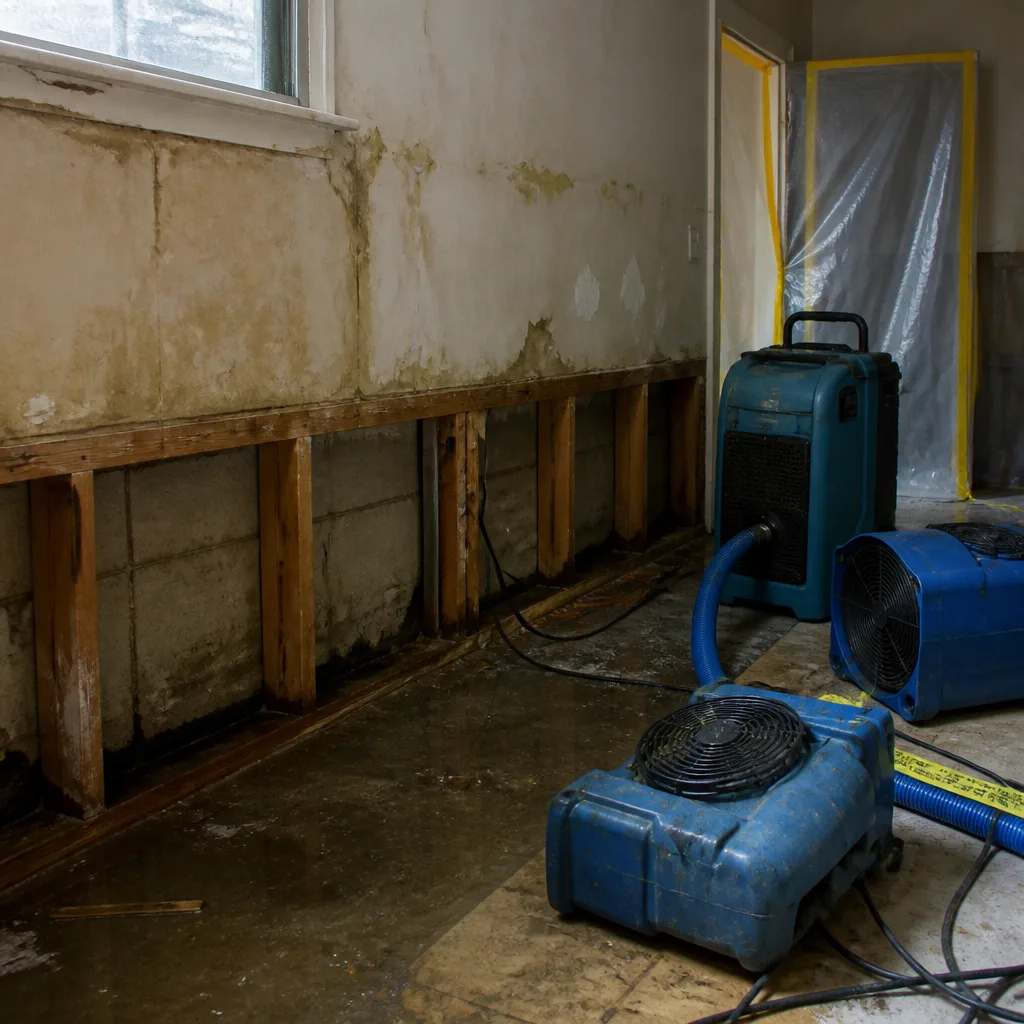 Before
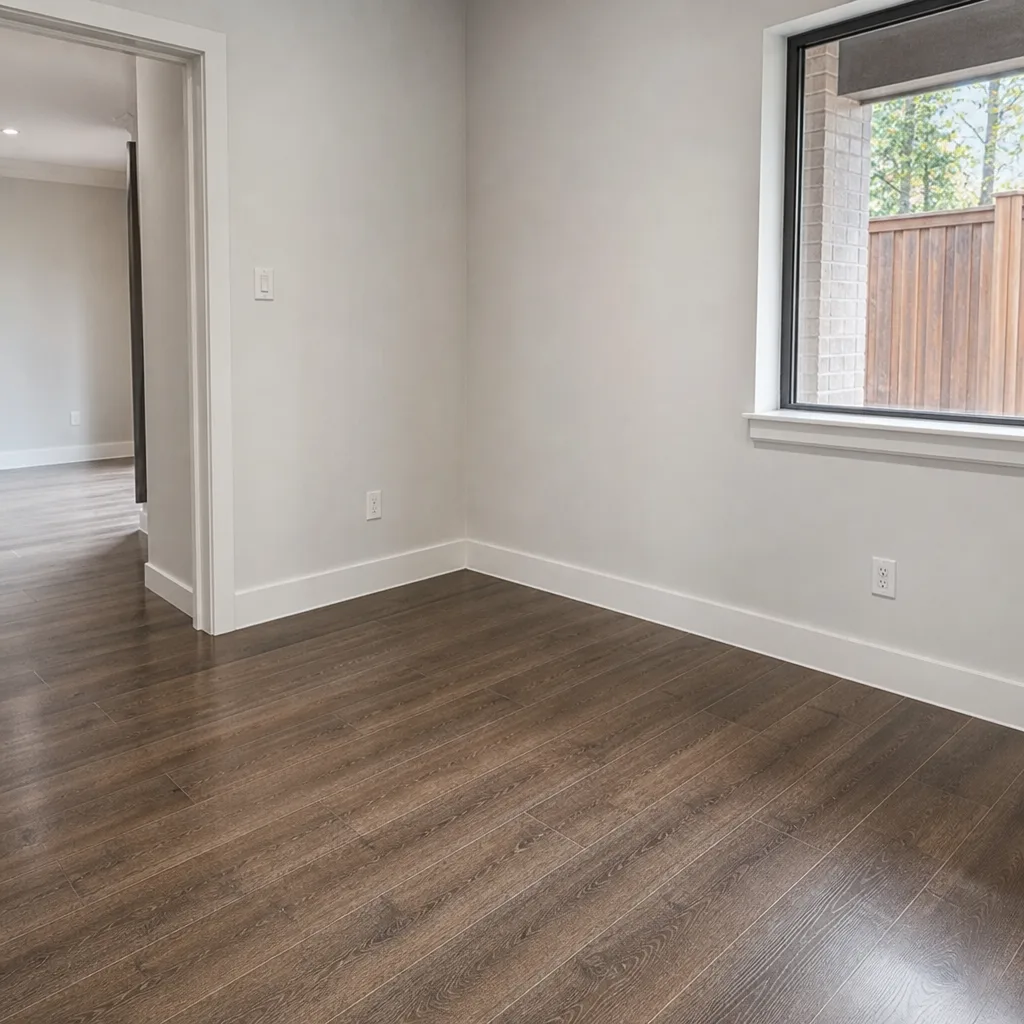 After
After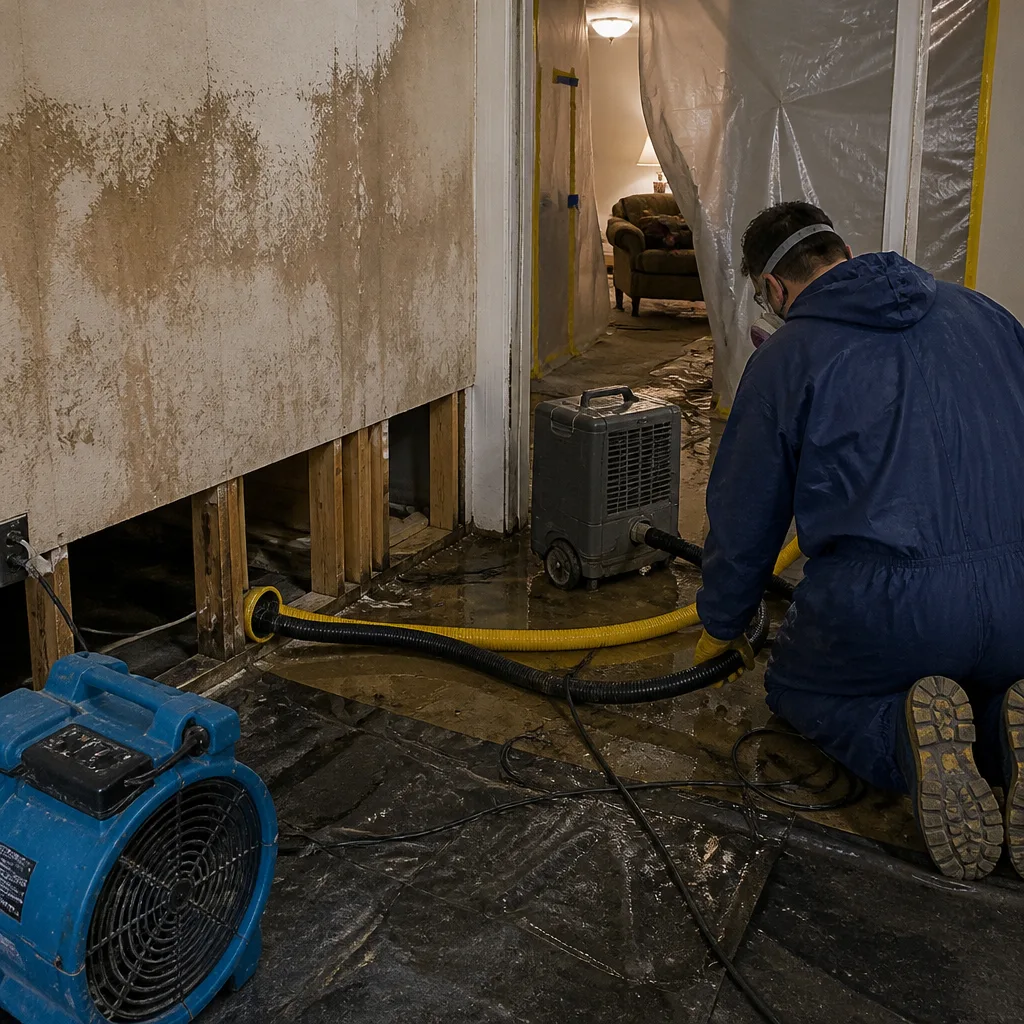 Before
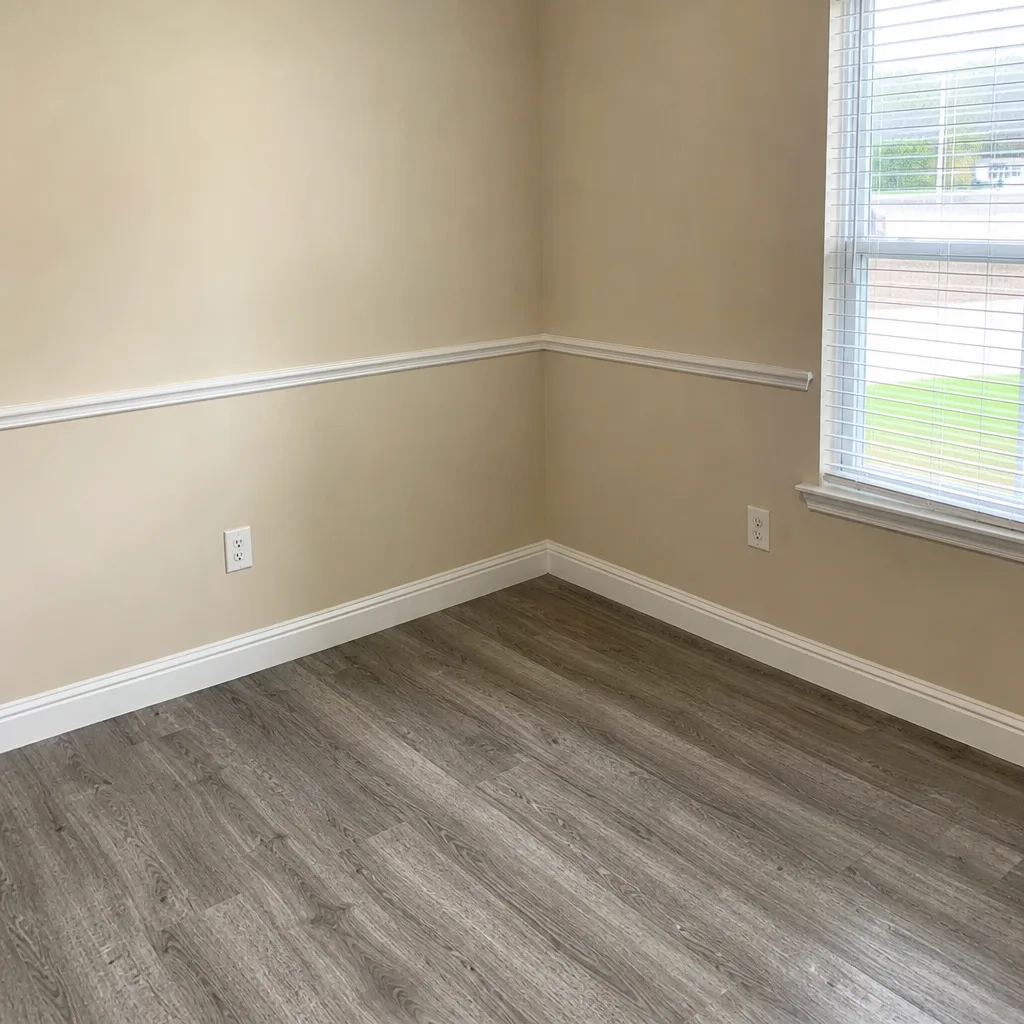 After
After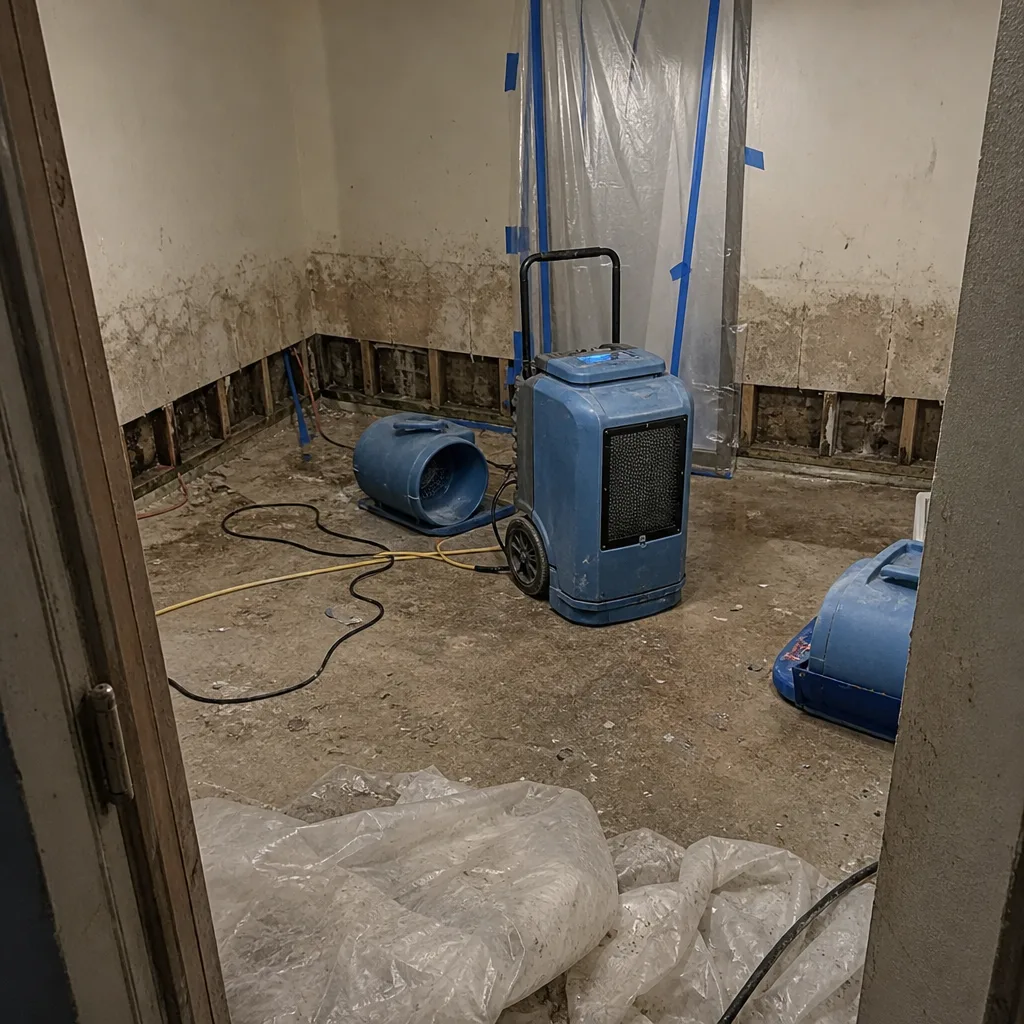 Before
 After
After