
Last updated October 16, 2026
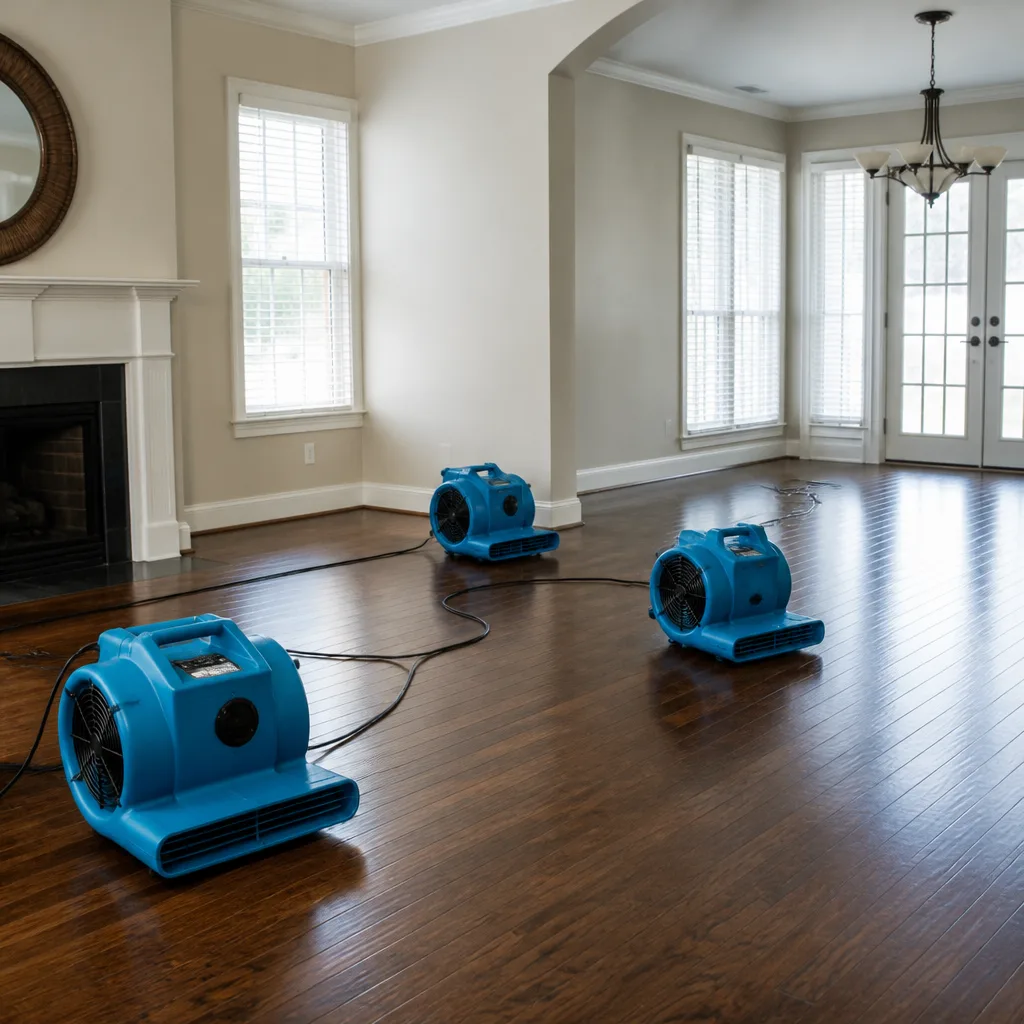 Water damage drying
 Fire & smoke cleanup
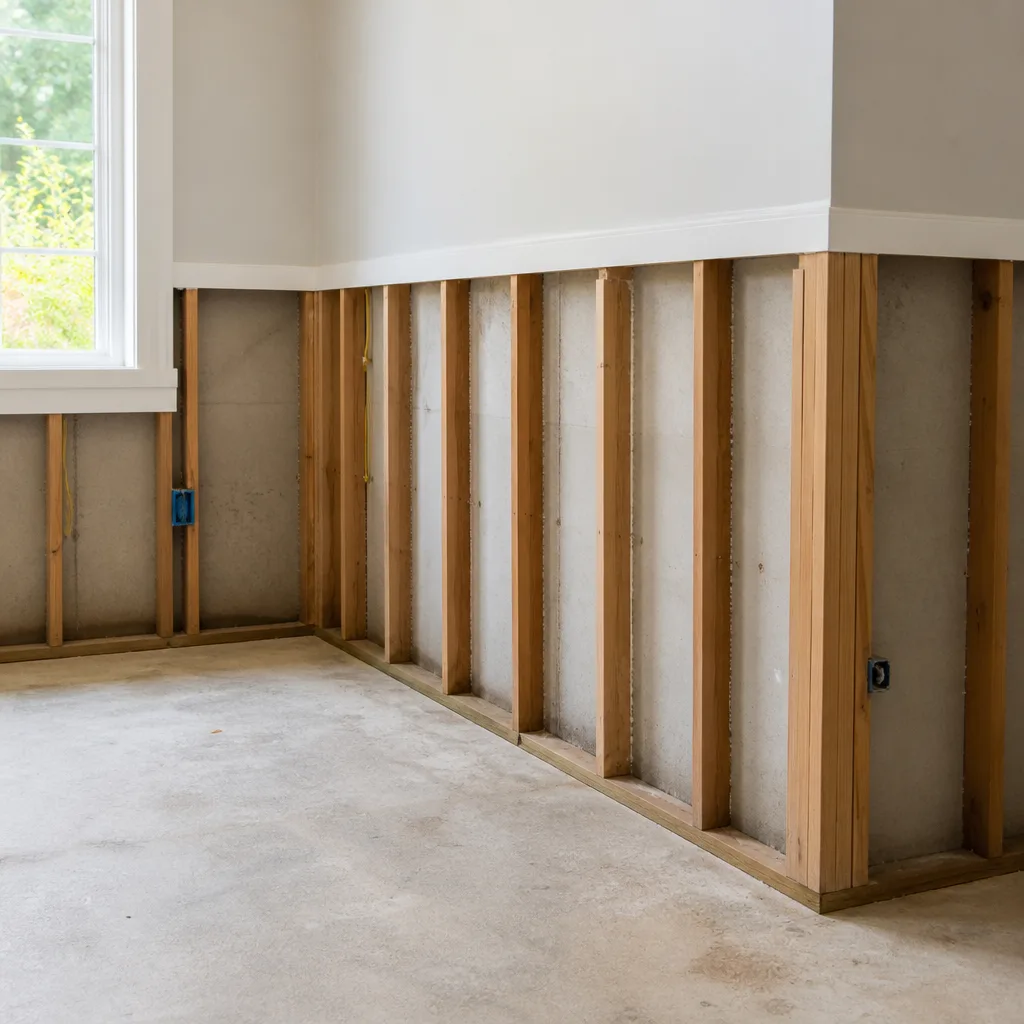 Mold remediation
 Storm response
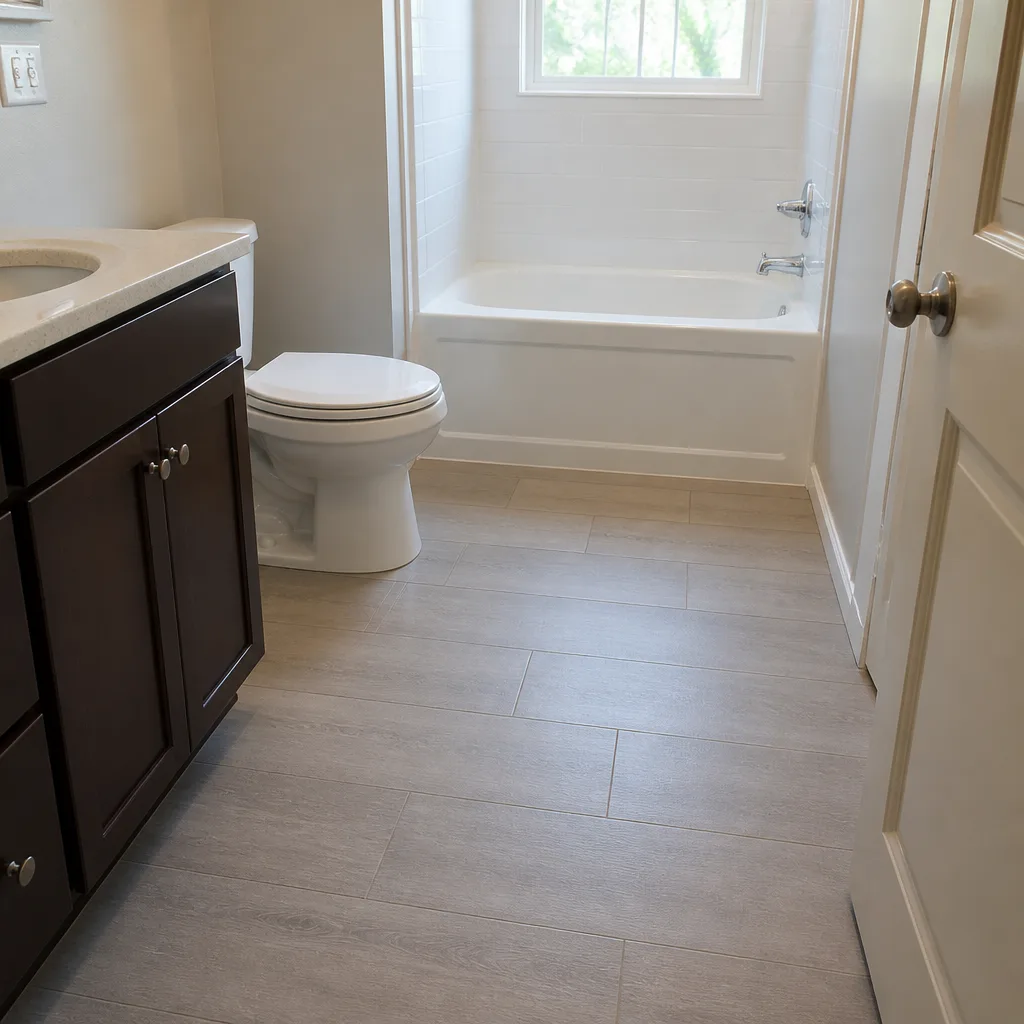 Sewage cleanup
 Reconstruction
Free visual inspection and a written scope of work before any mitigation begins - photos, moisture readings, and drying logs go in your claim file
The scope we write is the scope we bill. Anything new gets shown to you, in writing, before we touch it.
Get your free estimateThe Complete Guide to Damage Restoration in Fort Worth
The average Fort Worth homeowner calls a restorer within two hours of a flood, but the decision that determines their final outcome is made in the first ten minutes, usually without knowing what question to ask. The question is not “how fast can you get here?” It is “will you show me the full scope of what needs to happen, in writing, before you start?” This guide walks through the entire restoration sequence, from the first phone call to the final moisture reading, so you understand not just what happens, but why each step exists and what a skipped step quietly costs your home over the next five years. Fort Worth’s clay soil, our swing between drought and deluge, and the mix of slab and pier-and-beam construction here mean that restoration advice written for Houston or Dallas often misses what actually matters in this city.
Restoration work we handle
Quick Answer
Damage restoration in Fort Worth is a three-phase process: mitigation stops the immediate loss, remediation removes contamination, and restoration returns your home to its pre-damage condition. For a deeper look at what each phase costs locally, see our Damage Restoration Cost Breakdown: The Fort Worth Homeowner’s Reference for 2026. Understanding the difference between these phases, getting a written scope before work begins, and confirming drying is actually complete with a moisture report are the three things that protect your home’s structure and air quality for years. In Fort Worth, water damage from storms, foundation-related seepage, and fire events all follow this same sequence, but the local soil and construction types change how each phase is executed.
Table of Contents
- Mitigation vs. Remediation vs. Restoration: Why the Difference Matters
- How Fort Worth Soil and Foundations Change the Drying Equation
- A Complete Restoration Scope, Line by Line
- Written Price Before Work Begins: Why It Matters in Fort Worth
- How to Read a Moisture Report and Confirm Drying Is Actually Complete
- The Restoration Timeline: What Happens Day by Day
- Insurance and Restoration: What to Know Before You File
- Common Mistakes to Avoid
- When to Call a Professional
- Frequently Asked Questions
- The Bottom Line
Mitigation vs. Remediation vs. Restoration: Why the Difference Matters
Most homeowners approve a scope of work without realizing that the word “restoration” covers three distinct jobs, and confusing them is the single most common reason a repair bill arrives that does not match what was actually needed. Mitigation is emergency response: stopping the water, removing standing water, setting up drying equipment. Remediation is contamination removal: mold, soot, sewage, or hazardous residue. Restoration is the rebuild: drywall, flooring, paint, cabinetry. Each phase has its own equipment, its own pricing structure, and its own standards for what “done” means.
In Fort Worth, we see this confusion play out most often after a sewage backup or a slow leak that went unnoticed behind a wall. A homeowner approves mitigation because that is what the insurance adjuster used the word for, and then is surprised when mold remediation is billed separately weeks later. The contractor was not dishonest. The homeowner did not know that the first scope never covered mold because mold had not been tested for yet. Understanding these three phases from the start means you can ask the right question: “Does this written scope cover mitigation only, or does it include remediation and restoration?”
The practical difference matters for your money and your health. Mitigation stops further damage. Remediation protects your family from what the water left behind. Restoration returns your home to livable condition. Skipping remediation to save money, or because a contractor says “it will dry on its own,” is how families in Fort Worth end up with a musty smell that never goes away and a drywall patch that crumbles two years later. Our Water Damage Restoration in Fort Worth team always names which phase the written scope covers before work starts.
How Fort Worth Soil and Foundations Change the Drying Equation
North Texas sits on expansive clay soil that swells when wet and shrinks when dry. This is the geological fact that shapes every restoration job in Fort Worth, and it is why national drying guides written for slab-on-grade homes in Arizona or Florida do not translate here. When water pools against a foundation or seeps under a pier-and-beam home, the clay beneath expands with tremendous force. That expansion can lift a foundation unevenly, crack interior walls, and separate door frames within days. The water itself may be removed quickly, but the clay holds moisture for weeks, which means the drying timeline and the structural risk are both different in Fort Worth than elsewhere.
Pier-and-beam construction, common in older Fort Worth neighborhoods like Ryan Place, Mistletoe Heights, and parts of the Near Southside, adds another layer. These homes have a crawl space underneath, and that crawl space is often the last place anyone looks after a flood. Water travels under the house along the clay surface, settles in low spots, and raises the humidity directly beneath the floorboards. A drying plan that only addresses the visible living space will leave that crawl space wet. Months later, the homeowner notices cupped hardwood floors or a persistent damp smell. The moisture is coming from underneath. This is why on pier-and-beam homes, the crawl space must be part of the initial moisture assessment, not an afterthought.
Slab foundations, dominant in newer Fort Worth developments and neighborhoods like Summer Creek, Chisholm Trail Ranch, and Walsh, create a different drying problem. When water seeps under a slab, it can travel laterally through the capillary spaces beneath the concrete. The visible water may be gone from the floor, but the slab itself is a reservoir. We use professional drying equipment from Dri-Eaz, Phoenix, and Injectidry systems designed for hard-to-reach spaces to dry beneath slabs and inside wall cavities. The injectidry approach matters because you cannot just point a fan at a slab and expect the trapped moisture underneath to evaporate. The drying has to be forced into the specific channels where the water traveled.
A tide mark is the line water leaves on a wall, and it is the first thing our technicians look for on every job in Fort Worth. The tide mark tells us how high the water reached, but not necessarily how far it traveled. In clay soil, water travels further than the tide mark suggests. That is why our moisture assessments include probing beyond the visible stain, into the areas where Fort Worth’s soil has held water up against the foundation or the subfloor. Chasing the tide mark, not just the puddle, is the difference between drying a room and drying a home.
A Complete Restoration Scope, Line by Line
A complete restoration scope is not a two-line invoice that says “water damage: $4,800.” It is a line-by-line document that names every activity, every piece of equipment, and every square foot of affected material. When you see a scope broken out this way, you can compare quotes honestly, confirm with your adjuster what is covered, and catch the line items that get quietly dropped when a contractor is trying to hit a low number on the original estimate. Here is what a complete scope for a typical Fort Worth water damage event looks like.
- Initial assessment and moisture mapping: The technician documents the affected area with photos, takes moisture readings with a hygrometer and a non-invasive moisture meter, and maps the affected zones on a floor plan. This is the diagnostic step, and it should be in writing before any demolition starts.
- Water extraction: Standing water is removed with truck-mounted or portable extraction units. The number of extraction passes and the square footage of affected flooring should be specified.
- Containment and protection: Plastic sheeting and negative air pressure (if needed) are set up to separate affected areas from the rest of the home. Shoe covers go on at the door. Drop cloths cover the floor before the first piece of equipment comes in.
- Demolition and removal: Affected drywall, insulation, baseboards, and flooring are cut out and removed. The scope should name exactly which materials are being removed, in which rooms, and how many linear feet or square feet.
- Structural drying: Air movers, dehumidifiers, and possibly Injectidry systems are placed. The scope should list how many of each unit, where they are placed, and the expected drying window.
- Antimicrobial application: After drying, affected surfaces are treated with an antimicrobial agent. The scope should name the product and the areas treated.
- Moisture verification: Final moisture readings are taken and compared against a dry standard. The scope should state that drying is verified with a moisture meter, not just visually inspected.
- Repairs and restoration: Drywall replacement, painting, flooring installation, and trim work. Each line item should specify materials, square footage, and finish level.
- Final documentation: Photos of the clean-up are taken and shared before the crew leaves, so the homeowner sees exactly what was done and how the space was left.
The line items most commonly dropped without the homeowner noticing are structural drying in hidden cavities, antimicrobial application, and final moisture verification. A contractor quoting a lower number often achieves it by skipping these three steps. The homeowner sees a dry wall and assumes the job is done. Six months later, the mold appears.
Written Price Before Work Begins: Why It Matters in Fort Worth
The single most common source of post-restoration disputes in Fort Worth is a verbal estimate that turned into a much larger final invoice, which is why our Damage Restoration Warning Signs: A Fort Worth Homeowner’s Reference Guide flags this pattern early. A contractor says “should be around three to five thousand” on the first phone call, and then the final bill is nine thousand because the scope changed once demolition revealed more damage. The contractor is not necessarily inflating the price. The problem is that the homeowner never had a written scope to hold the contractor to, so the “changes” feel like a bait-and-switch even when they are legitimate.
The Cedarwell Care Promise standard is simple: a written price is delivered before any work starts, every time, with no surprises on the final invoice. This is not a marketing slogan. It is a process. The diagnosis happens first. The written scope names every line item. The price is agreed to. Then, and only then, does any work begin. If the scope needs to change during the job because of something discovered behind a wall, that change is documented and approved in writing before the additional work happens. The homeowner is never standing in their own living room trying to decide whether to approve an unexpected charge while a crew is waiting.
Ask any Fort Worth contractor you are considering, “Will you give me a written price before you start?” If the answer is anything but an immediate yes, you are looking at a contractor who plans to negotiate the price after you are already committed. That is a position no homeowner should be in. Rick Sumner, who leads our team, has seen too many families in Fort Worth sign a verbal estimate only to be told the final number is nearly double because “the damage was worse than we thought.” The damage was what the damage was. A professional should diagnose it fully and price it in writing before the first tool comes off the truck.
How to Read a Moisture Report and Confirm Drying Is Actually Complete
A moisture report is a table of readings taken with a moisture meter at specific locations in your home. Most homeowners never see this report because most contractors do not provide one. They provide a verbal assurance: “It feels dry now.” That is not verification. That is a guess. In Fort Worth, where our humid summers and clay soil keep moisture trapped for longer than visual inspection suggests, a moisture report is the only way to confirm drying is actually complete.
Here is how to read one. The report should list the location of each reading (for example, “living room wall, 24 inches from floor, north wall”), the moisture content as a percentage, and the material type (drywall, wood stud, concrete, hardwood). For wood, a reading below 12 percent moisture content is generally considered dry. For drywall, below 1 percent on a moisture meter that is calibrated for drywall, and below 15 percent on a wood scale. Concrete is different: concrete can hold moisture at 4 to 5 percent and still be considered dry because of how concrete cures. These numbers vary slightly by equipment, but the point is that a report should show specific numbers at specific locations, not a single aggregate reading.
The second thing to check is the trend. A single set of readings tells you the current state. A comparison of readings taken 24 hours apart tells you whether drying is progressing. If the numbers are not dropping, the drying plan is not working and needs to be adjusted. This is where IICRC and RIA credentialed technicians matter. Certified restorers are trained to interpret these trends and adjust equipment placement, humidity control, and air flow until the numbers confirm dry. An uncredentialed contractor with a fan and a dehumidifier may dry the surface while leaving the wall cavity at 28 percent moisture content, which is exactly where mold thrives.
Ask to see the moisture report before you sign off on the job. A restorer who has done the work correctly will be proud to show it to you. A restorer who has cut corners will not have one to show.
The Restoration Timeline: What Happens Day by Day
Restoration in Fort Worth follows a predictable timeline, and knowing that timeline helps you plan for your family and set realistic expectations. Here is what a typical water damage restoration looks like from the first call to the final walkthrough.
- Day 1: First response and mitigation begins. You call a live person at any hour because water damage does not wait for business hours. The technician arrives, assesses the damage, extracts standing water, and sets up initial drying equipment. A written scope and price are delivered before demolition starts. In Fort Worth, same-day response is critical during storm season, when many homes are affected at once and access to equipment tightens.
- Days 2-3: Drying in progress. Air movers and dehumidifiers run continuously. The technician checks equipment daily, takes moisture readings, and adjusts the plan as needed. This is the phase where hidden damage is often discovered, and any scope changes are documented in writing for your approval.
- Days 3-5: Moisture verification and demolition completion. If drying is on track, the technician confirms with moisture readings that affected materials have reached dry standard. Any remaining demolition is completed, and affected areas are treated with antimicrobial agents.
- Days 5-10: Repairs and restoration. Drywall, flooring, paint, and trim are restored. The timeline here depends on material availability and the original scope.
- Day 10+: Final walkthrough and documentation. A photo of the clean-up is taken and shared before the crew leaves, so you see exactly what was done and how the space was left. You confirm the work is done right, and the 365-Day Done Right Promise stands behind the job long after the crew has gone.
This timeline assumes a straightforward water damage event. Mold remediation and fire damage restoration have their own timelines, which include testing, containment, and code inspections. For mold work, Mold Remediation in Fort Worth follows a similar sequence with the addition of containment and clearance testing. For fire work, Fire Damage Restoration in Fort Worth adds structural assessments and smoke odor removal that can extend the timeline by several days. The key point is that each phase is verified before the next begins, and you see the verification in writing.
Insurance and Restoration: What to Know Before You File
Insurance is almost always in the room during a restoration, even when the homeowner is not thinking about it. The way you document the damage in the first hours determines whether your claim is paid fully or partially. Here is what to do before you file, drawn from what we see on Fort Worth claims every month.
First, document before you touch anything. Take photos and video of the damage from every angle before any water is extracted, any drywall is removed, or any equipment is moved. This initial documentation is your evidence. Second, call your insurance company and ask specifically what your policy covers for water damage, mold remediation, and restoration. Not all policies cover all three phases. Many Fort Worth homeowners discover after the fact that their policy covers mitigation but caps mold remediation at a low dollar amount. Third, confirm whether your restorer coordinates directly with your adjuster. A restorer who bills your insurance directly and communicates with the adjuster about the scope keeps you out of the middle of a process you should not have to manage.
We take photo documentation at every step of the restoration, from the initial assessment to the final clean-up. That documentation goes to you and, with your permission, directly to your adjuster. Direct adjuster coordination is the single biggest trust unlock in this industry because it removes the homeowner from the negotiating table entirely. You hired a professional to restore your home, not to become an amateur insurance negotiator. Ask any restorer you are considering: “Will you coordinate directly with my adjuster?” The answer tells you a lot about how the rest of the job will go.
Common Mistakes to Avoid
- Waiting to call because “it’s just a little water.” In Fort Worth’s humid climate, a small leak behind a wall becomes a mold problem in 48 to 72 hours. The water you cannot see is the water that causes the most damage.
- Hiring based on the lowest verbal estimate. A verbal number is not a price. It is an opening offer. Get the written scope and the written price before you let anyone start work.
- Signing off on a job without a moisture report. If the restorer cannot show you moisture readings that confirm drying is complete, the job is not done. Visual dryness is not verification.
- Assuming your insurance covers everything. Fort Worth homeowners regularly discover that mold remediation has a coverage cap or that their deductible is higher than they remembered. Confirm coverage in writing before approving work.
- Overlooking the crawl space on a pier-and-beam home. Water travels under the house, not just across the floor. If the crawl space is wet, your drying job is not finished no matter how dry the living room feels.
- Letting a contractor start demolition before the scope is written. Demolition before documentation is the homeowner’s worst position. Once the evidence is gone, the scope is whatever the contractor says it is.
- Using a restorer who is not credentialed. IICRC and RIA certifications exist so homeowners do not have to become experts themselves. Uncredentialed restorers make mistakes that credentialed restorers are trained not to make.
When to Call a Professional
Call a professional any time water has entered your home from a burst pipe, a sewage backup, a roof leak, or a storm, and any time you can smell mustiness but cannot find the source. Water damage that covers more than a few square feet needs professional equipment and professional drying, not a shop vac and a fan. Fire damage always requires professional restoration because of the soot and smoke residue that penetrates walls and ductwork. Mold that covers more than about ten square feet, or mold that you suspect is in wall cavities, requires professional remediation with proper containment. Tidemark Water Damage Fort Worth offers free estimates in Fort Worth, and you can reach a live person 24 hours a day at (682) 703-9856. The sooner you call, the more of your home we can protect.
Frequently Asked Questions
Water damage restoration in Fort Worth typically runs between $1,200 and $5,500 for a single room, while whole-home restoration can exceed $15,000 depending on the affected square footage and the scope of rebuild. The only number that matters for your home is the written price you receive after a proper assessment, which should be delivered before any work starts. Call (682) 703-9856 for an exact quote based on your home and the specific damage.
Our phones are answered by a live person 24 hours a day, 7 days a week, and in most Fort Worth neighborhoods we can have a technician on site within a few hours of your call. Water damage does not wait for business hours, and neither do we. The faster mitigation starts, the less damage spreads.
That depends entirely on where the water went and what it touched. If water entered wall cavities, saturated carpet padding, or reached a crawl space, a surface cleaning is not enough. The moisture report from the initial assessment will tell you definitively which materials need to be removed and replaced, and which can be dried in place.
Most Fort Worth homeowners’ policies cover sudden and accidental water damage, but coverage for mold remediation and gradual leaks varies widely by policy. Confirm your coverage with your adjuster before approving work, and ask your restorer whether they coordinate directly with insurance companies. We do, and the photo documentation we take throughout the job supports your claim.
A full-service restoration company should deal directly with your insurance adjuster so you do not have to become a middleman between the contractor and the carrier. We document every step with photos, send scope changes in writing, and communicate directly with adjusters in Fort Worth daily. You hired us to restore your home, not to negotiate your claim.
The 365-Day Done Right Promise is the Cedarwell Care Promise standard that if the restoration is not done right, we make it right. We stand behind every water damage, mold, and fire restoration job in Fort Worth long after the crew has left. That is a standard larger national franchises do not match.
The Bottom Line
Damage restoration in Fort Worth is a sequence of decisions, not a single event. The decisions you make in the first hours, the written scope you approve, and the moisture verification you receive at the end determine whether your home is truly restored or just temporarily patched. Understand the difference between mitigation, remediation, and restoration. Ask for a written price before work begins. Confirm drying with a moisture report, not a visual check. And choose a restorer who names the tide mark, dries past it, and stands behind the work for a full year. Your home and your family deserve nothing less in Fort Worth.
Written by Rick Sumner, Owner at Tidemark Water Damage Fort Worth, serving Fort Worth since 2006.
See the difference
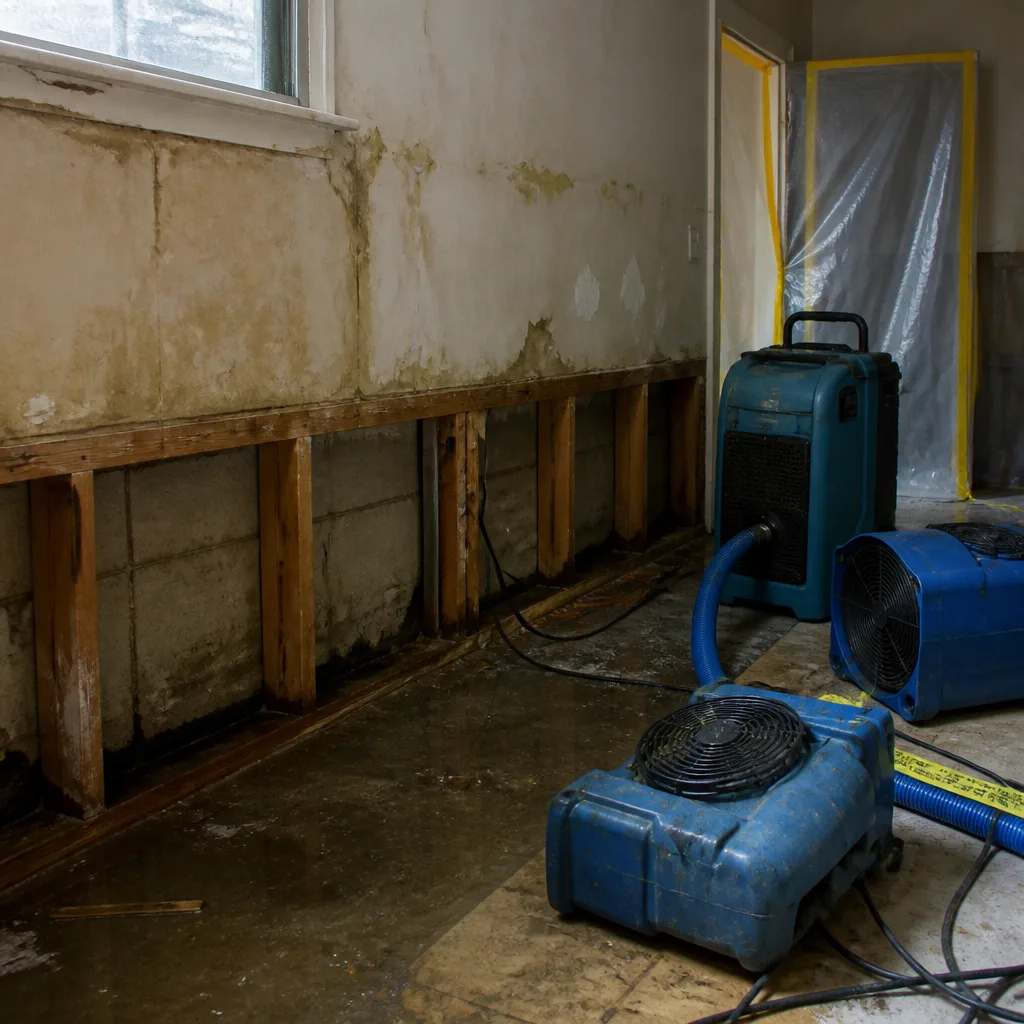 Before
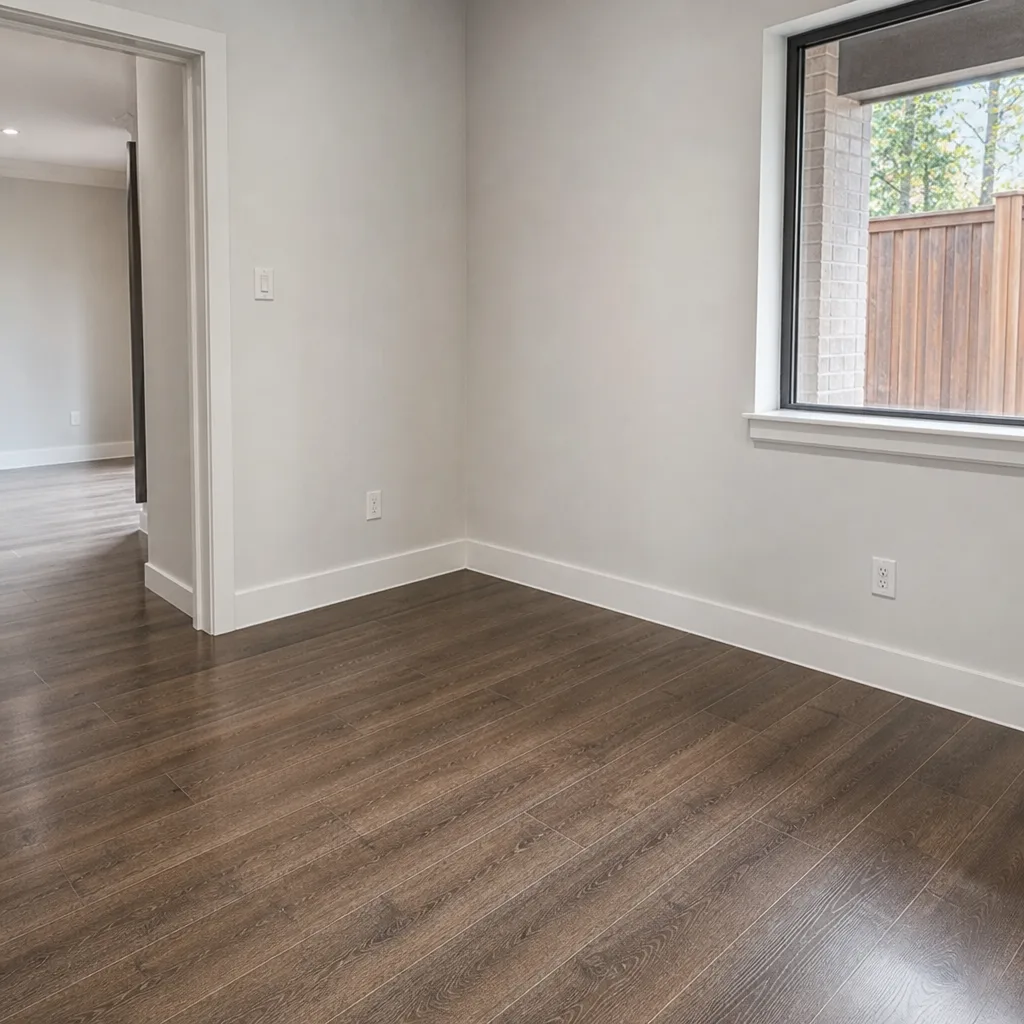 After
After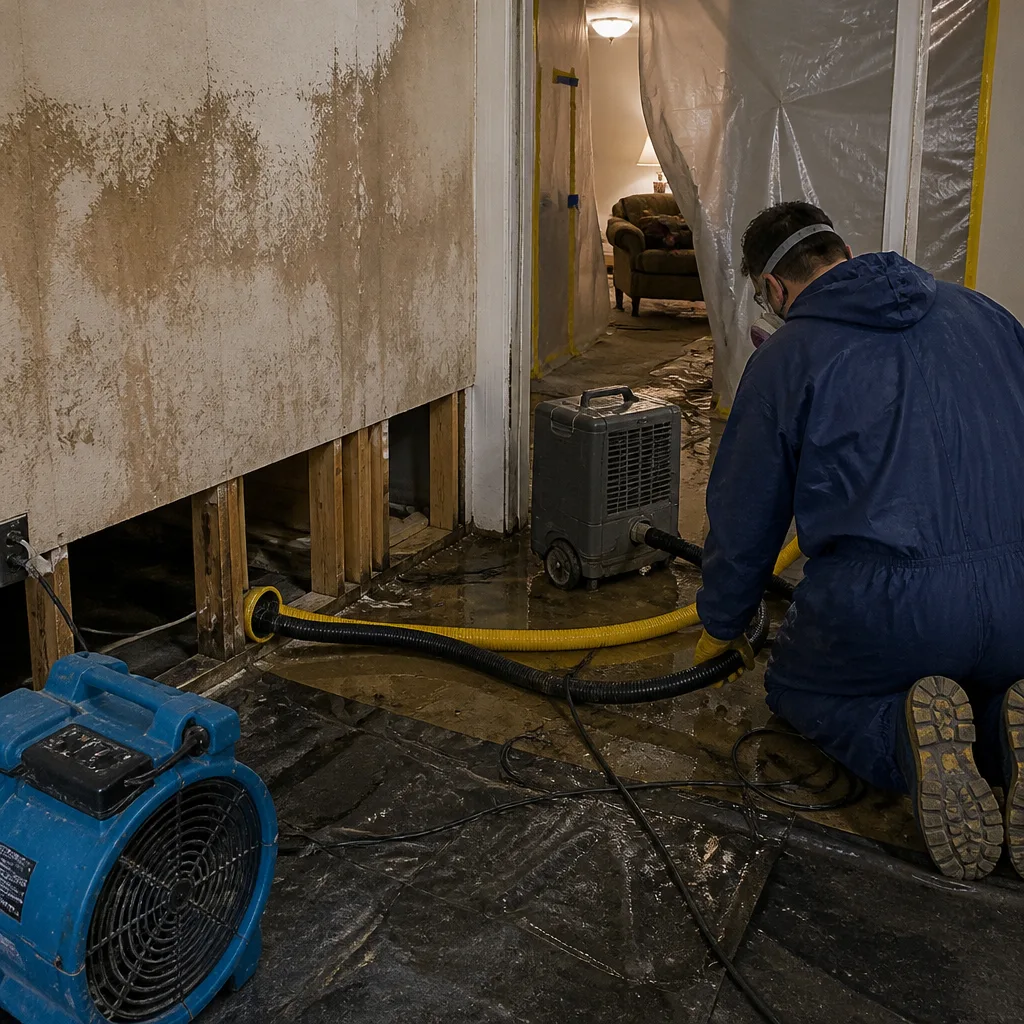 Before
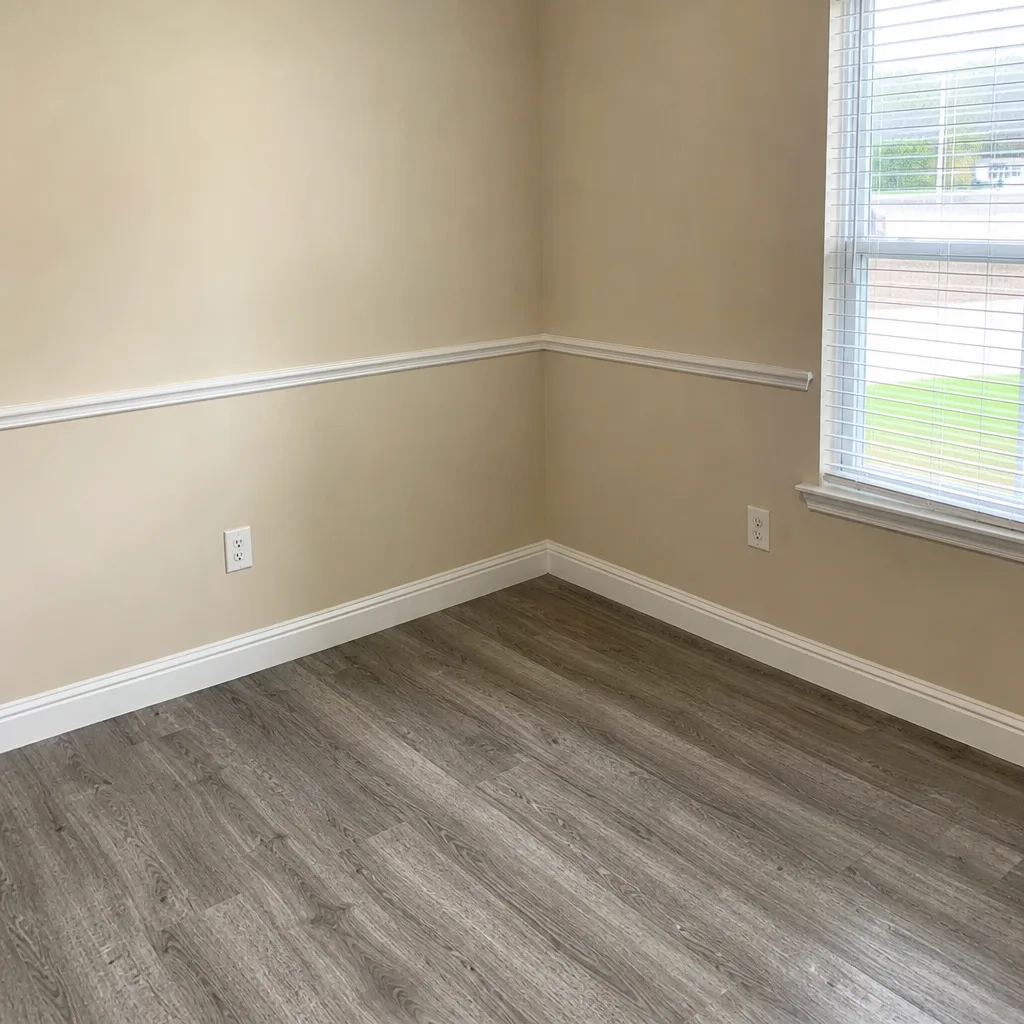 After
After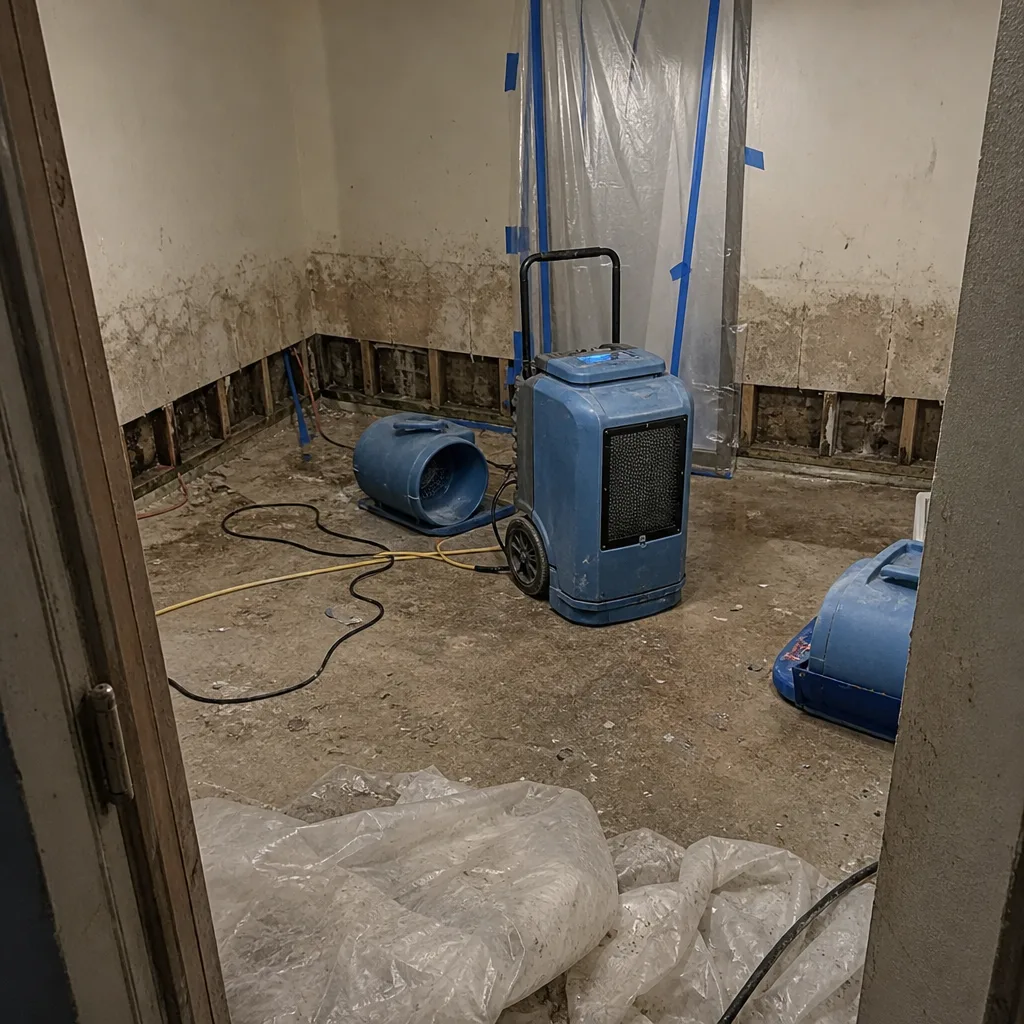 Before
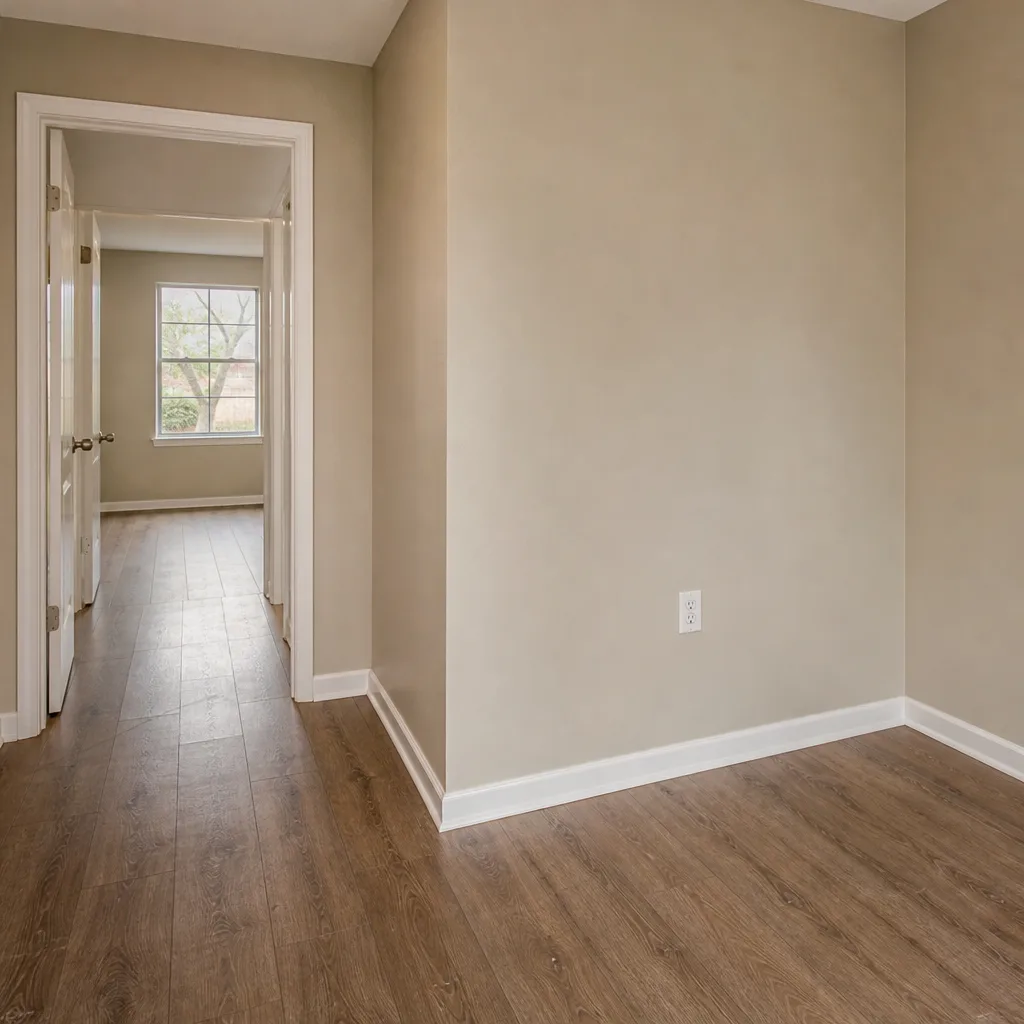 After
After