

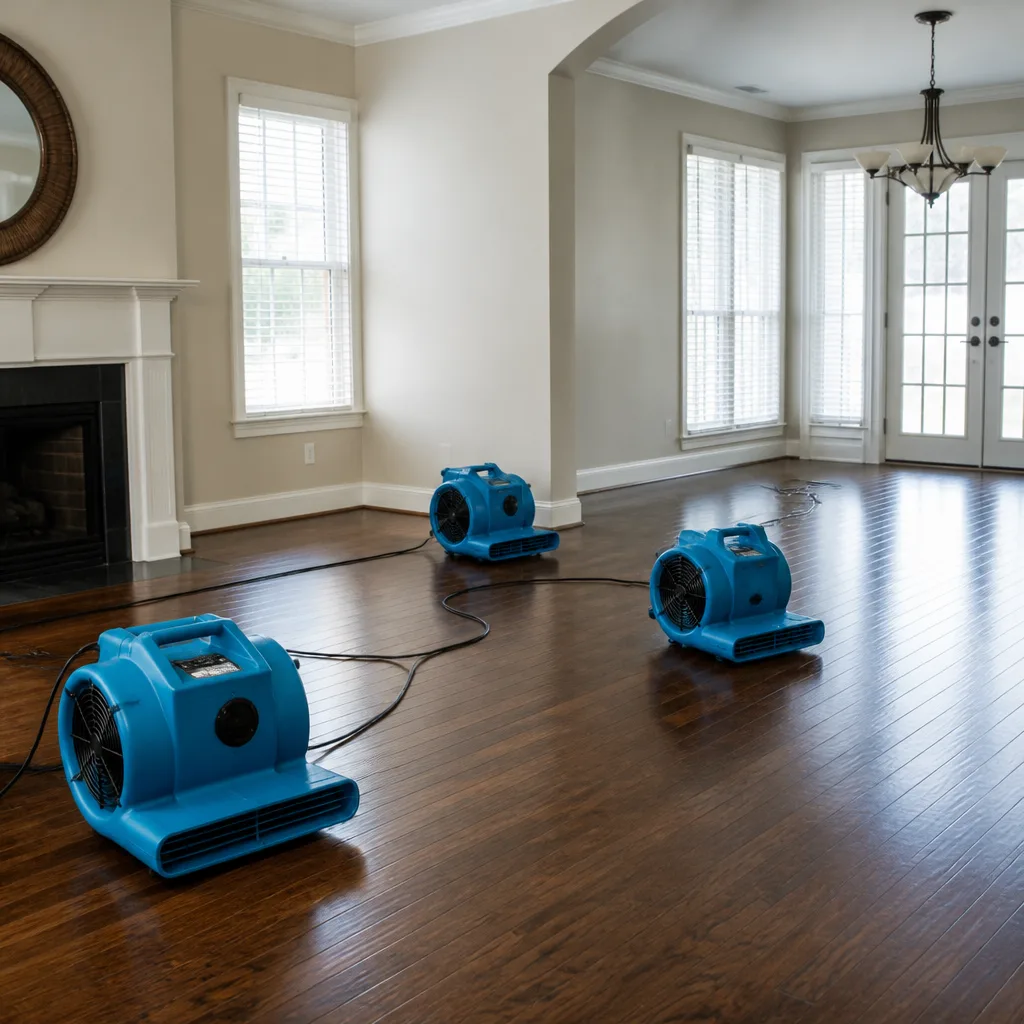
 Water damage drying
 Fire & smoke cleanup
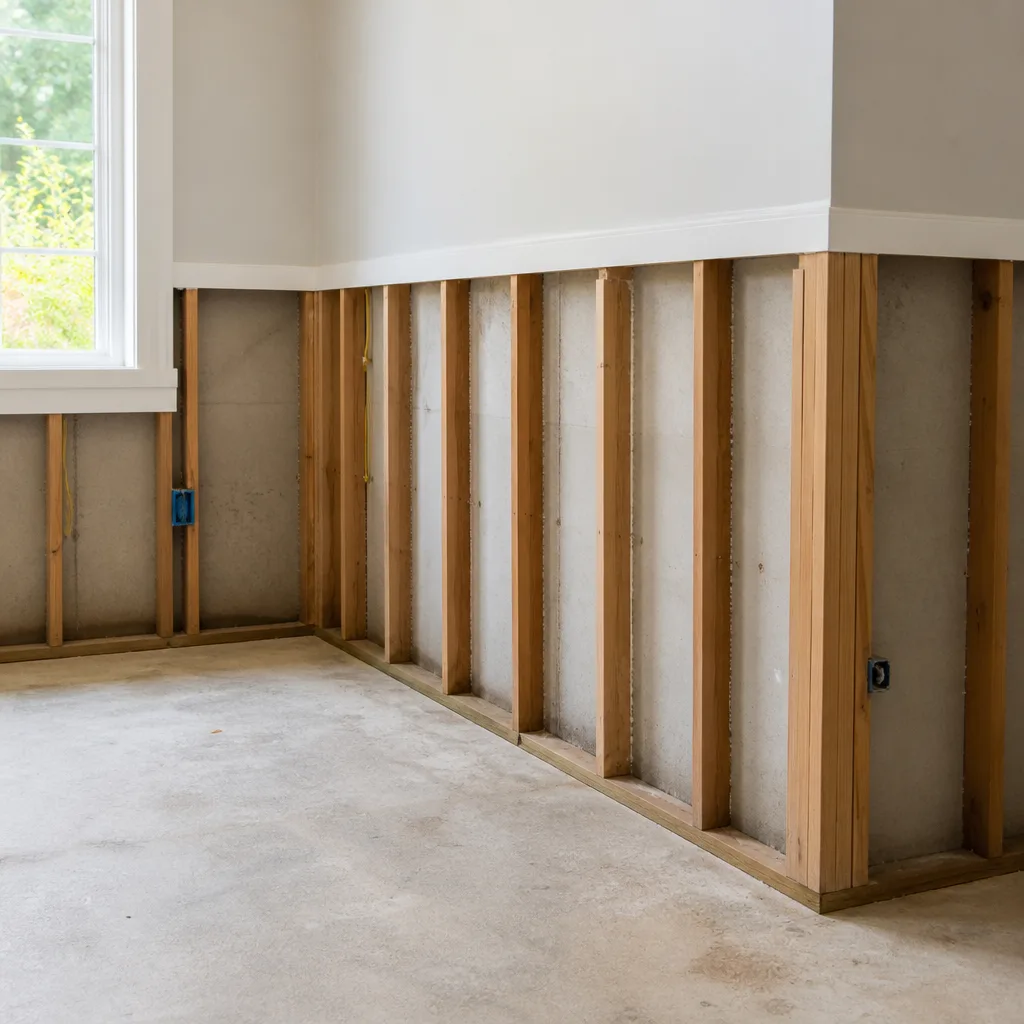 Mold remediation
 Storm response
 Sewage cleanup
 Reconstruction
Free visual inspection and a written scope of work before any mitigation begins - photos, moisture readings, and drying logs go in your claim file
The scope we write is the scope we bill. Anything new gets shown to you, in writing, before we touch it.
Get your free estimateFast, Reliable Water Damage Restoration Across River Oaks
Water damage in River Oaks rarely announces itself. It starts as a warped baseboard on the east side of Jacksboro Highway, a soft spot in the hallway, or a water bill that climbed twenty dollars for no reason you can see. We respond to River Oaks homes every day, and we know what those first quiet signs mean here. Our Water Damage Restoration team arrives with moisture meters, thermal cameras, and a written plan before any equipment comes off the truck. If you’re seeing water where it shouldn’t be, call (682) 703-9856 and a live person answers, day or night.
Why Tidemark Water Damage Fort Worth Is River Oaks’s Preferred Water Damage Restoration Company
Most of the water damage calls we take from River Oaks involve homes built between the 1950s and the 1980s, when cast-iron and copper plumbing were run beneath slab foundations that sit on expansive clay. That combination is a specific problem, and it rewards a crew that has seen it hundreds of times. We have. Our techs know the east-side neighborhoods, the streets off Jacksboro Highway, the subdivisions where original plumbing is reaching the end of its service life, and we know what to look for before tearing into a floor.
Rick Sumner leads our team with a simple expectation: explain the price before the work, protect the house while we’re in it, and leave it cleaner than we found it. Shoe covers go on at the door. Drop cloths go down before the first air mover rolls in. You get a written scope and a written price before anyone picks up a tool, and you get a photo of the clean-up before the crew pulls away. That’s how we’ve built our reputation in River Oaks and across the Fort Worth side of the Metroplex.
We are not a franchise chasing volume. We are an independently owned location of the Cedarwell Care Promise network, founded in 2006, and every job we do is backed by our 365-Day Done Right Promise. If the restoration isn’t done right, we make it right. That promise means something on the east side of River Oaks, where a missed slab leak will quietly take out flooring, baseboards, and lower drywall while everyone thinks the problem is fixed.
Restoration work we handle
Water Mitigation in River Oaks
Water Mitigation in River Oaks is the first and most urgent phase of any water damage response: stopping the source, removing standing water, containing the affected area, and beginning structural drying. On River Oaks homes built on slab, mitigation often begins with finding where water is actually traveling, not just where it pooled. A tide mark is the line water leaves on a wall, and it is the first thing our technicians look for on every job. We trace that line, then dry past it.
What a River Oaks homeowner can expect from mitigation: containment barriers to isolate wet areas, commercial extraction to pull water from carpet and hard surfaces, and professional-grade drying equipment from Dri-Eaz, Phoenix, XPOWER, B-Air, and Injectidry placed for maximum airflow. Our IICRC-credentialed technicians log moisture readings daily and adjust the drying plan until materials return to pre-loss condition. We use pet-safe drying agents where there is a choice, and lower-decibel settings during school hours and nap time.
Cost for water mitigation in a River Oaks home typically runs $1,800 – $4,500 depending on the size of the affected area and how far water traveled. A single-room overflow on the west side of town is a different job than a slab leak that ran under a hallway for three days before anyone noticed.
Slab Leak Tracing and Extraction
Older east-side River Oaks homes frequently hide the real problem beneath the slab. We use thermal imaging and moisture mapping to trace moisture migration before cutting any flooring, which means less demolition and a faster drying cycle. The goal is always to dry the structure in place where possible, rather than tearing out materials that could be saved.
Containment and Structural Drying
Once standing water is out, we set up containment and placement of air movers and dehumidifiers sized to the affected square footage. On brick veneer homes where humidity lingers, we monitor twice daily until documented pre-loss moisture content is reached. Skipping this step in River Oaks summers, when humidity runs high, is how hidden mold takes hold behind walls.
Flooded Basement in River Oaks
Flooded Basement in River Oaks is less common than a slab leak, but when it happens it is usually tied to a failed sump pump, a sewer backup, or storm water pushing against a foundation wall after a heavy thunderstorm. The basements we see in River Oaks tend to be in older homes where drainage was designed decades ago and no longer keeps up with the volume of rain the area now receives. Water in a basement is category 2 or 3 more often than not, and that changes how we treat it.
We extract the water, remove saturated materials that cannot be dried, apply antimicrobial treatment where category 2 or 3 water has contacted porous surfaces, and run dehumidification until concrete and framing are dry. For River Oaks basements with finished walls, we cut flood cuts at the right height, dispose of wet insulation, and document everything for insurance with photo records and moisture logs.
A flooded basement in River Oaks typically runs $2,500 – $6,000 for extraction, demolition, drying, and antimicrobial treatment, before any rebuild work. If sewage is involved, the range shifts toward the higher end because of the additional safety and disposal protocols. You’ll see the written number before we start, every time.
Storm Water Intrusion
River Oaks sits in a band of North Texas that gets severe thunderstorms and occasional hail. When gutters overflow or grading slopes toward the house, basement water follows. We check the drainage around the foundation as part of every basement response, because drying the inside without addressing the outside is a temporary fix at best.
Sewer Backup Cleanup
When a cast-iron drain line under a slab cracks, the backup that reaches a basement is category 3 water. We treat it accordingly: full PPE, containment, removal of saturated porous materials, and antimicrobial application before drying. The health of the family comes before the timeline of the rebuild.
Trusted Brands We Service in River Oaks
River Oaks homes carry a mix of plumbing and appliance brands depending on when they were built, and our techs arrive prepared for the common ones. We see a lot of original cast-iron and galvanized drain lines, copper supply lines, and older water heaters on the east side, plus newer PEX re-pipes in homes that have been updated. We stock common fittings and materials for River Oaks jobs, so we’re not waiting on a parts run while water sits. Our drying equipment inventory includes Phoenix dehumidifiers and XPOWER air movers, sized for the humidity conditions we get here. When you call, the truck that shows up is loaded for the job, not for a sales pitch.
See the difference
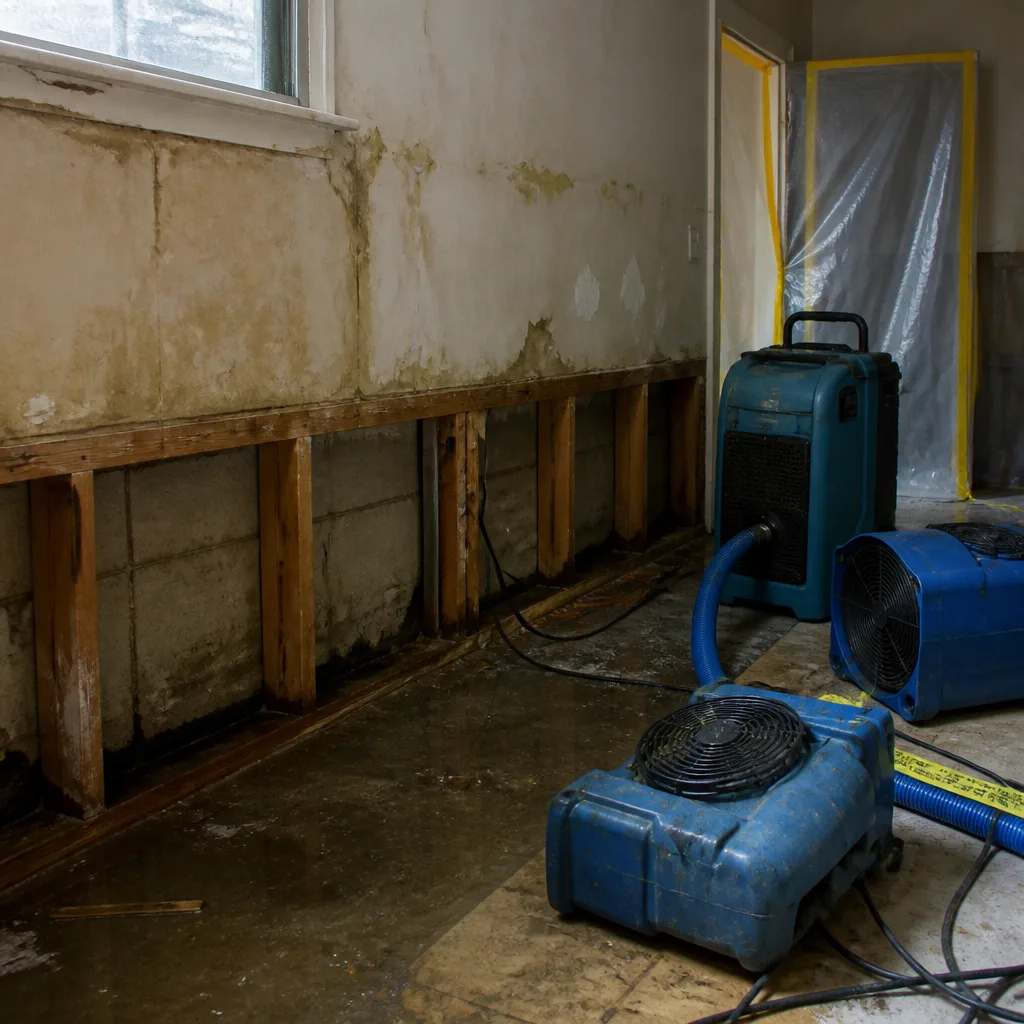 Before
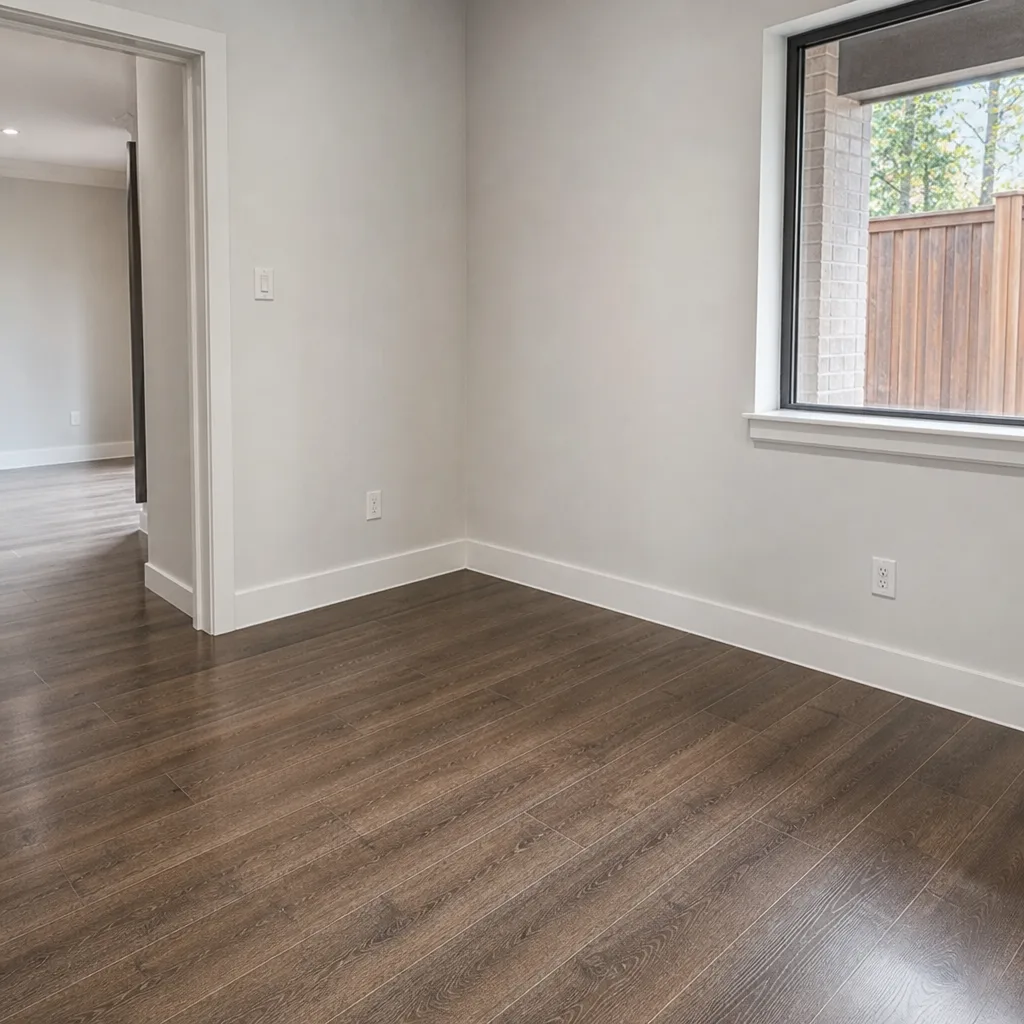 After
After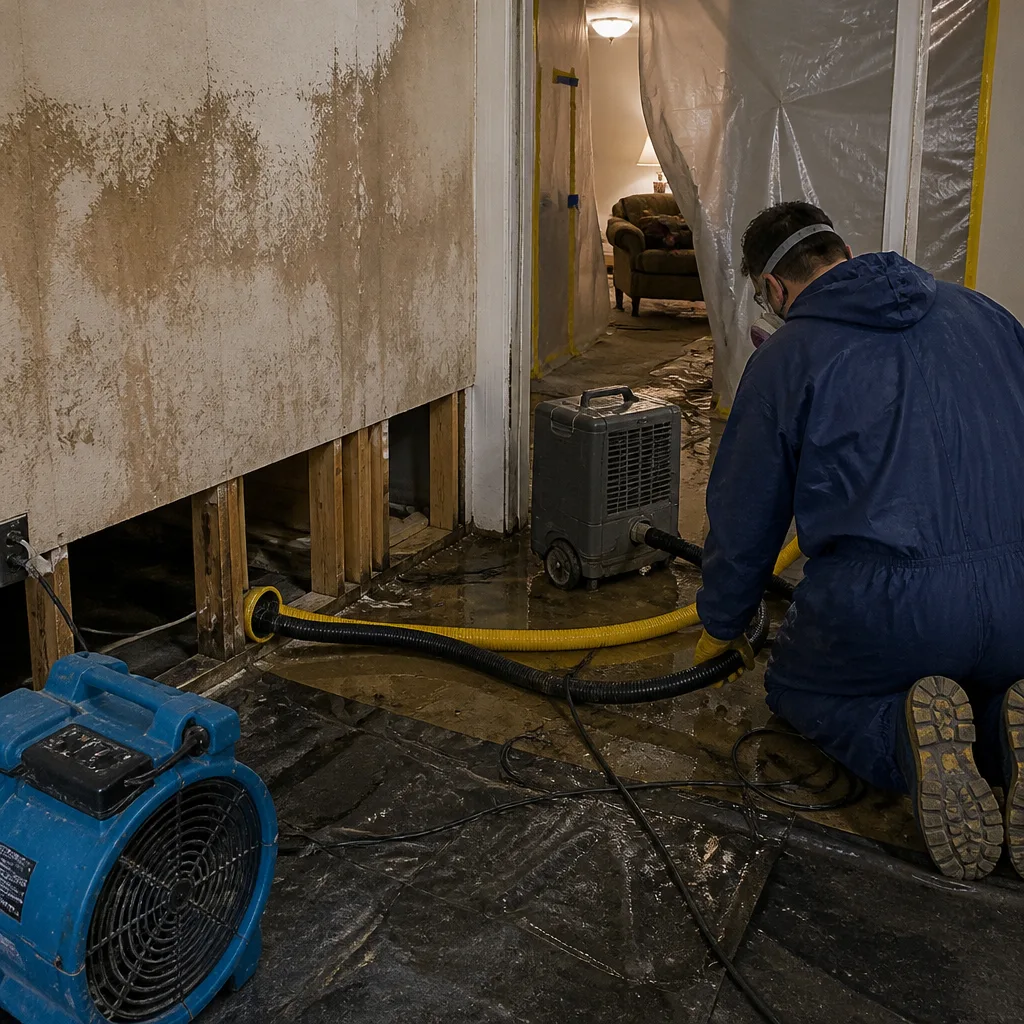 Before
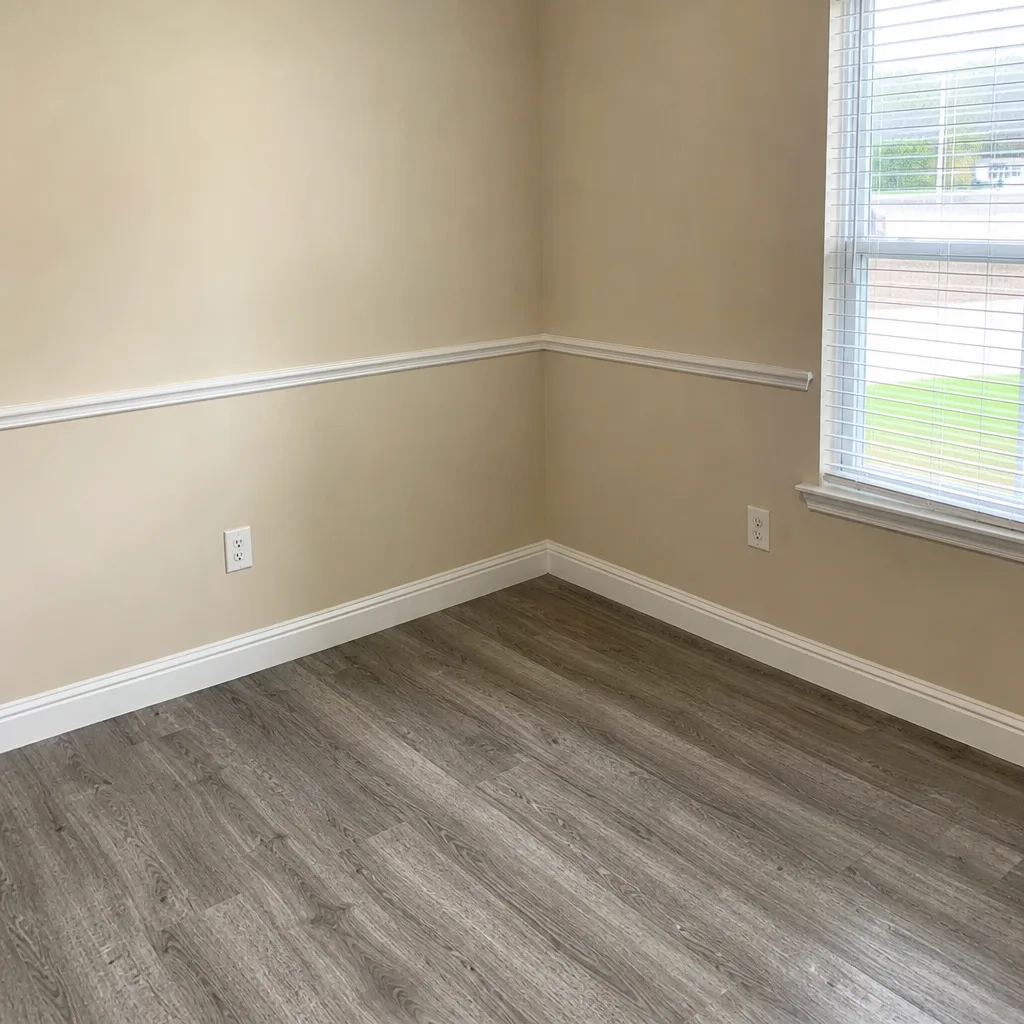 After
After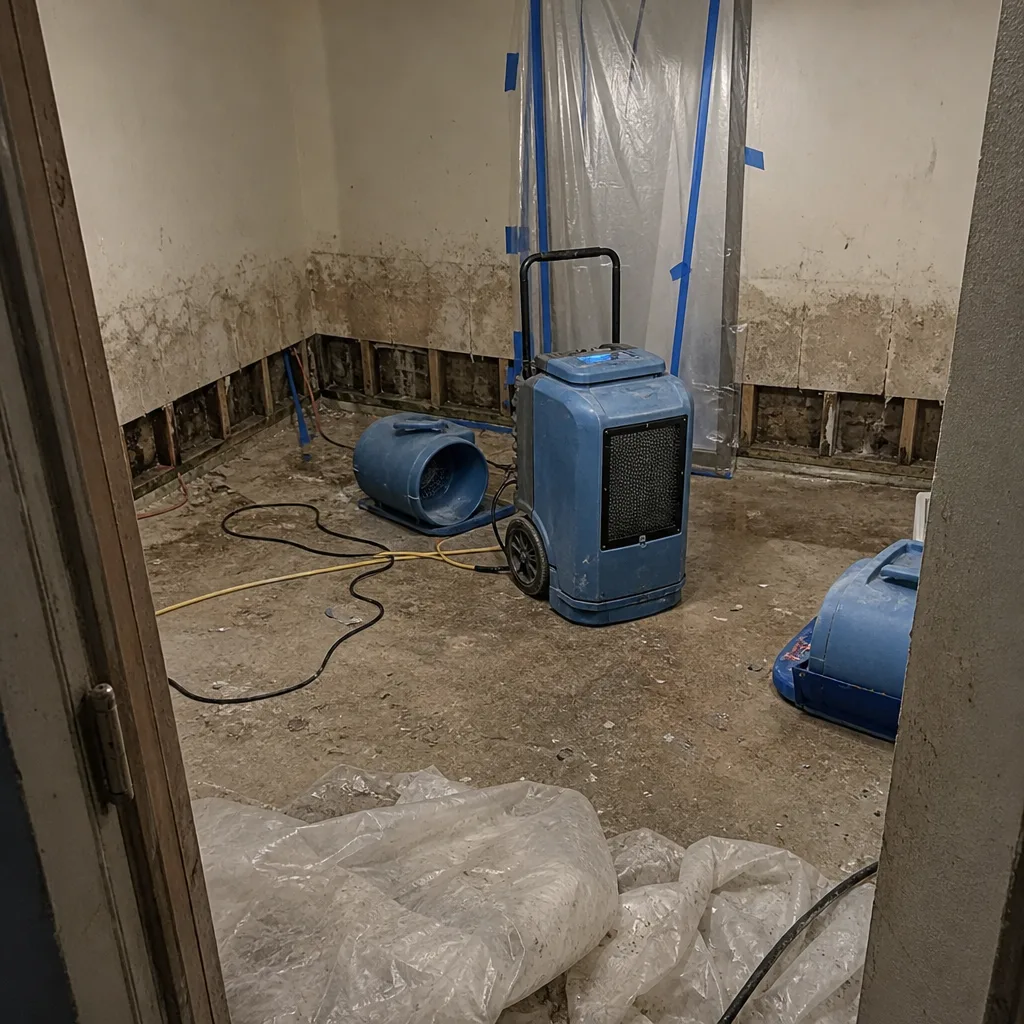 Before
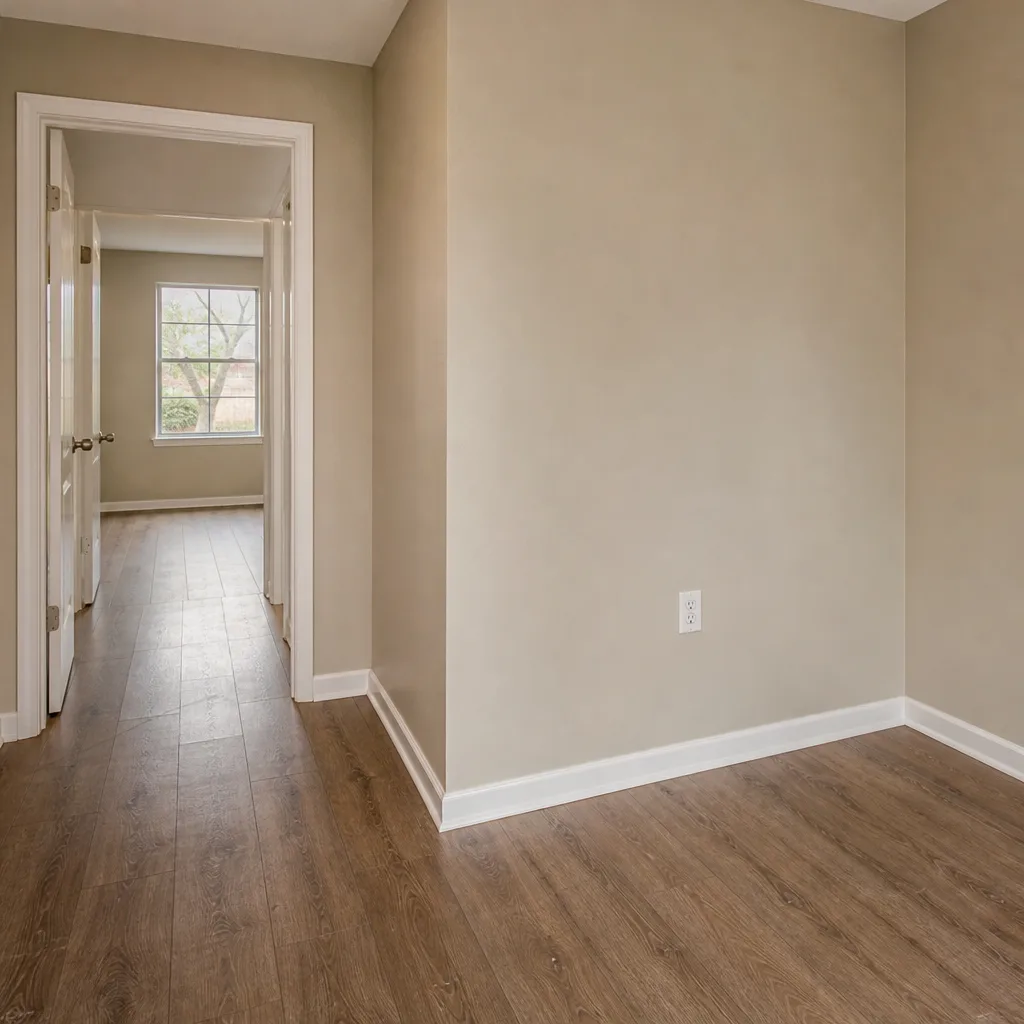 After
AfterCommon Water Damage Restoration Problems We See in River Oaks Homes
- Slab leaks from pinhole corrosion in copper supply lines. Prolonged dry spells leave expansive clay pulling at under-slab plumbing, and original copper lines on east-side homes are at the age where pinholes start appearing. These leaks are silent until water wicks up through the slab into flooring and baseboards.
- Cracked cast-iron and galvanized drain lines under slab foundations. When dry-to-wet soil shifts happen, rigid old drain pipe doesn’t flex. It cracks. Category 2 water then pools under the slab, out of sight, until moisture mapping finds it or the smell gives it away.
- Storm-related roof and window intrusion. Severe thunderstorms with hail are a recurring feature of life in River Oaks. Damaged shingles, failing flashing, and old window seals let water into wall cavities that never show a stain until the drywall softens weeks later.
- Humidity-stalled drying in brick veneer homes. Brick veneer walls hold moisture differently than siding, and when summer humidity runs high, structural drying without proper dehumidification stalls. We see this most often in homes where someone tried to dry a leak with a box fan and patience instead of calling a restoration crew.
Pricing for Water Damage Restoration in River Oaks, TX
Water damage restoration pricing in River Oaks depends on what actually happened, but you should have real numbers to plan against. A small supply-line leak under a bathroom sink that we catch within 24 hours often runs $1,200 – $2,000 for extraction and drying. A slab leak that has traveled under a hallway or into a wall cavity typically lands between $2,500 and $5,500 once you factor in tracing, flood cuts, drying, and antimicrobial treatment. A flooded basement with category 3 water runs $4,000 – $8,000, and a whole-home flood cut after a major storm can exceed that. Water heaters that fail in a closet and soak through to a hallway are commonly $2,000 – $4,000. Every estimate is written and in your hands before work starts. Call (682) 703-9856 for a free, no-pressure number.
We Also Serve Cities Near River Oaks
Our crews run dispatch and scheduling from our Dallas-Fort Worth office, so we reach River Oaks fast and also serve Fort Worth, Arlington, Mansfield, and North Richland Hills. If you’re close by and dealing with water, call and ask. We’ll be straight with you about response time.
Serving River Oaks, TX - Our Local Coverage Area
We’re based in the River Oaks area and know this community well. Use the map below to see our service coverage - if you’re nearby, we can almost certainly help.
FAQs About Water Damage Restoration in River Oaks
The homes in that part of River Oaks sit on expansive clay, and many still have original copper supply lines that were installed under the slab before the area’s building boom matured. During long dry spells, the clay contracts and shifts, putting stress on rigid copper lines that have already thinned from decades of use. The result is pinhole corrosion and hairline cracks that leak silently into the soil under the slab until water finds its way up through cracks and joints into the finished floor above. Our techs check for this pattern first on east-side jobs because it is the most common source of hidden water damage in that part of River Oaks. If you suspect a slab leak, call (682) 703-9856 and we’ll trace it before more flooring is lost.
Mold can begin growing on wet drywall within 48 to 72 hours in a River Oaks home, especially between May and September when indoor humidity runs high. Slab leaks are worse than surface spills because water wicks upward through the slab and into wall cavities for days or weeks before anyone sees a stain, which means mold is sometimes already active by the time we arrive. That’s why our mitigation includes antimicrobial treatment on flood cuts and structural drying that continues until we document pre-loss moisture content, not just until the surface feels dry. If you’ve seen staining or smell something musty, call sooner rather than later at (682) 703-9856.
Category 1 is clean water from a supply line or water heater. Category 2 is contaminated water that has picked up soil, chemicals, or biological material, like water that sat under a slab after a drain line crack. Category 3 is grossly contaminated water from sewage or floodwater. A pinhole leak in a copper supply line is category 1 until it sits, and then it degrades toward category 2 as it contacts soil and concrete. A cracked cast-iron drain line is category 2 or 3 from the start. River Oaks slab leaks are rarely category 1 by the time they are discovered, which is why antimicrobial treatment and containment matter so much here. We explain the category on every job, in writing, before we start.
We dry a slab-on-grade foundation by cutting targeted access points, not entire rooms. In River Oaks, where slab leaks are the typical culprit, we use thermal imaging and moisture mapping first to trace the exact path water traveled under the slab and through the flooring. Then we make flood cuts only where moisture is documented, set containment around the affected area, and place air movers and dehumidifiers to pull moisture through the exposed cuts and out of the slab. We dry in place whenever materials are salvageable, and we log moisture readings twice daily until the slab and surrounding materials return to pre-loss condition. That approach saves flooring and saves money. Call (682) 703-9856 and we’ll walk you through what your floor would need.
Yes, and the main difference is that galvanized supply lines that leak tend to release water with rust and mineral sediment, which means the water is not clean category 1 even if it started from the municipal supply. We treat galvanized leaks in River Oaks as category 2 when the water has had time to interact with corroded pipe, which means antimicrobial treatment and more aggressive extraction are part of the scope. Galvanized systems also tend to fail in multiple places as they age, so when we trace one leak on an east-side home with original galvanized plumbing, we check the rest of the line for weak points before we close anything up. A written estimate covers what we find, explained before we start.
If you’re dealing with water damage in River Oaks, call (682) 703-9856 for a free estimate. A real person answers, and we’ll tell you what we’d check first, what it would likely cost, and how fast we can be there. Written price first, every time.
Written by Rick Sumner, Owner at Tidemark Water Damage Fort Worth, serving River Oaks and the surrounding area.