
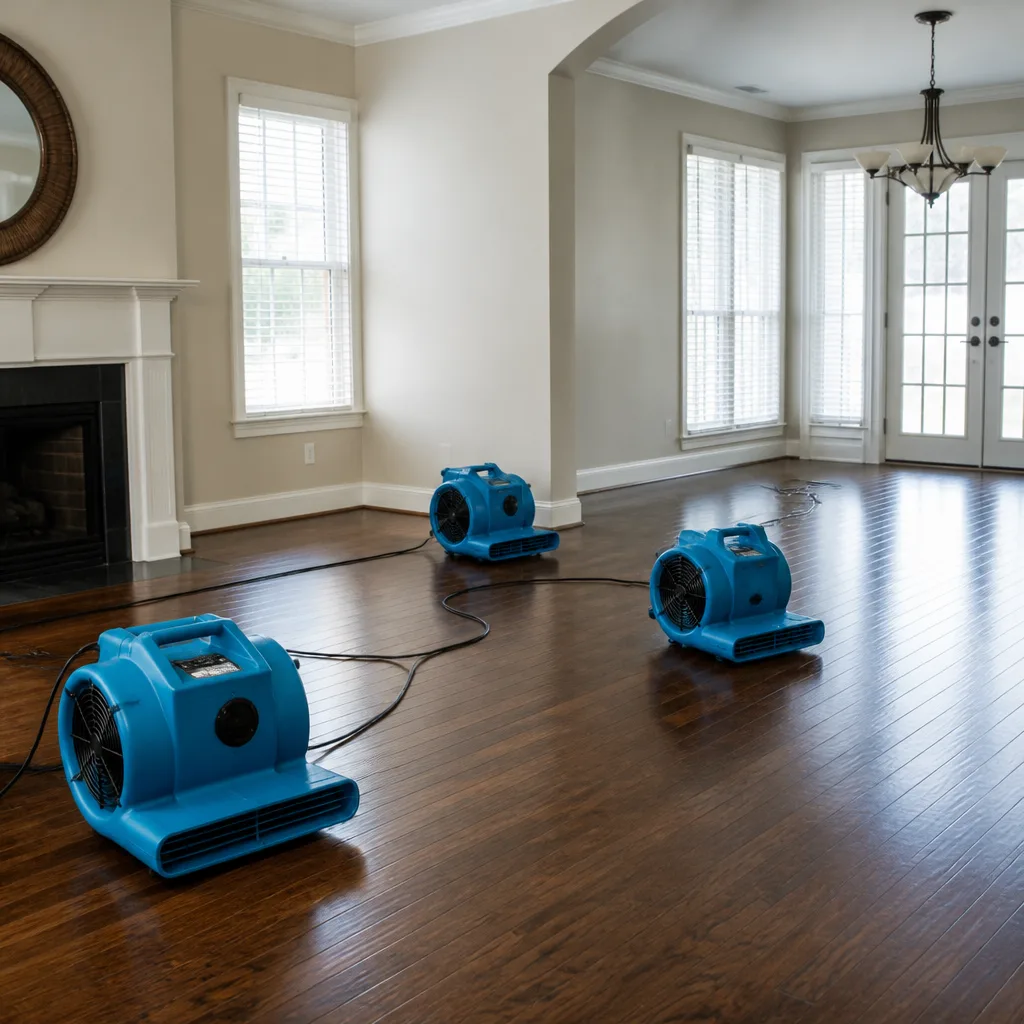
 Water damage drying
 Fire & smoke cleanup
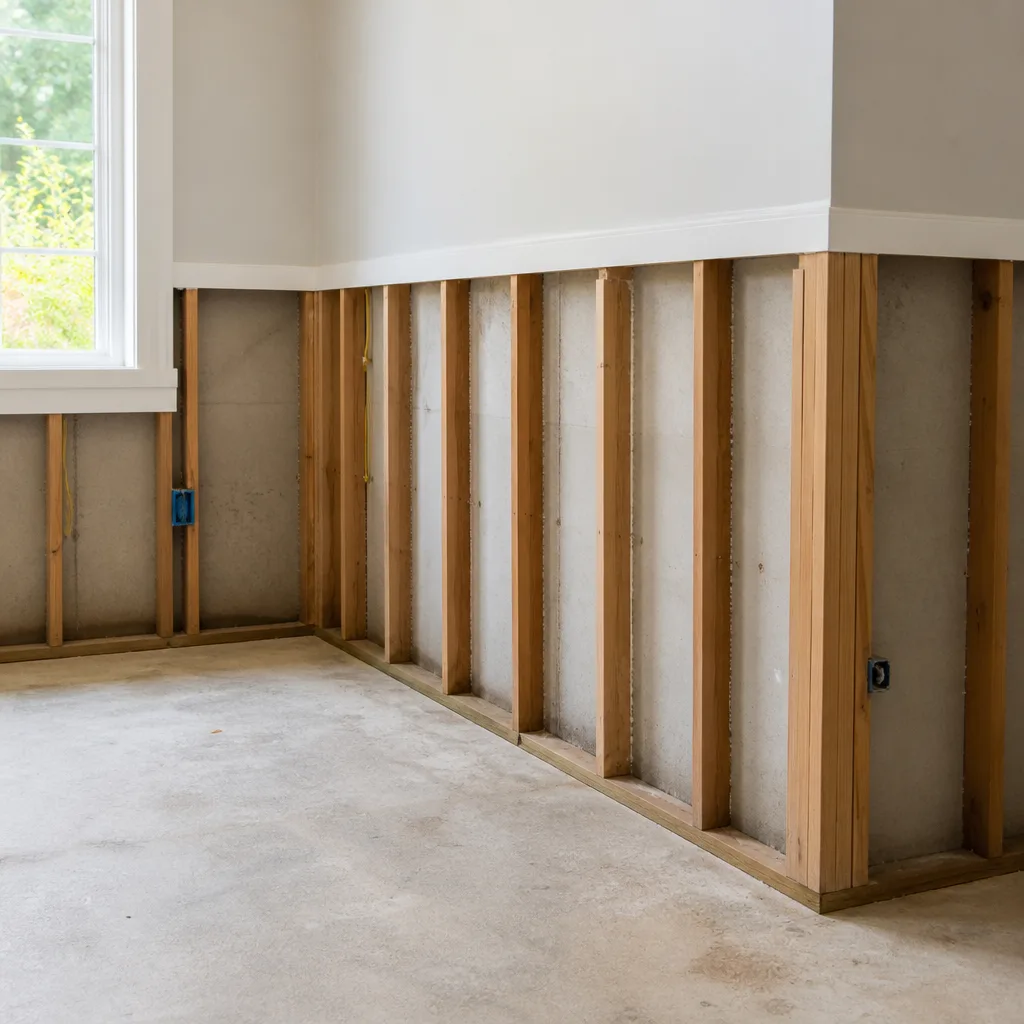 Mold remediation
 Storm response
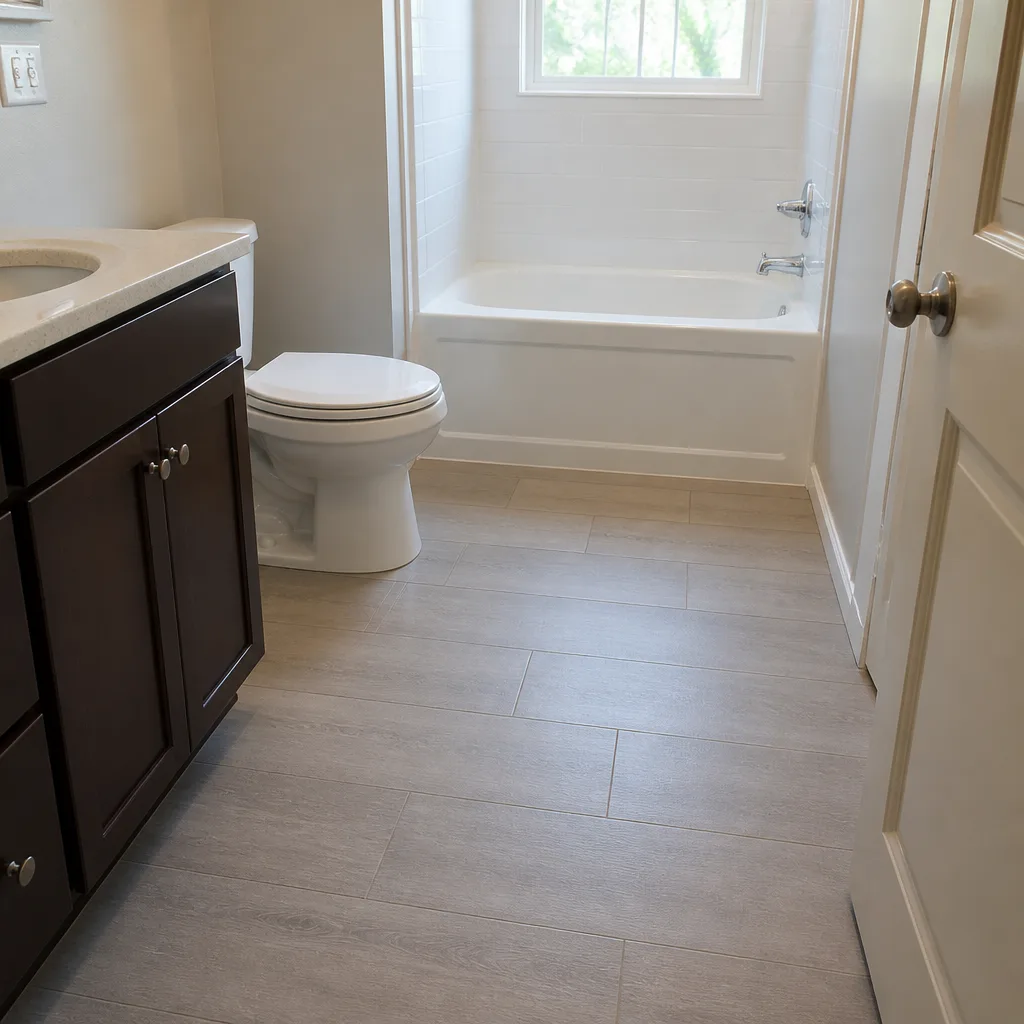 Sewage cleanup
 Reconstruction
Free visual inspection and a written scope of work before any mitigation begins - photos, moisture readings, and drying logs go in your claim file
The scope we write is the scope we bill. Anything new gets shown to you, in writing, before we touch it.
Get your free estimateRestoration work we handle
See the difference
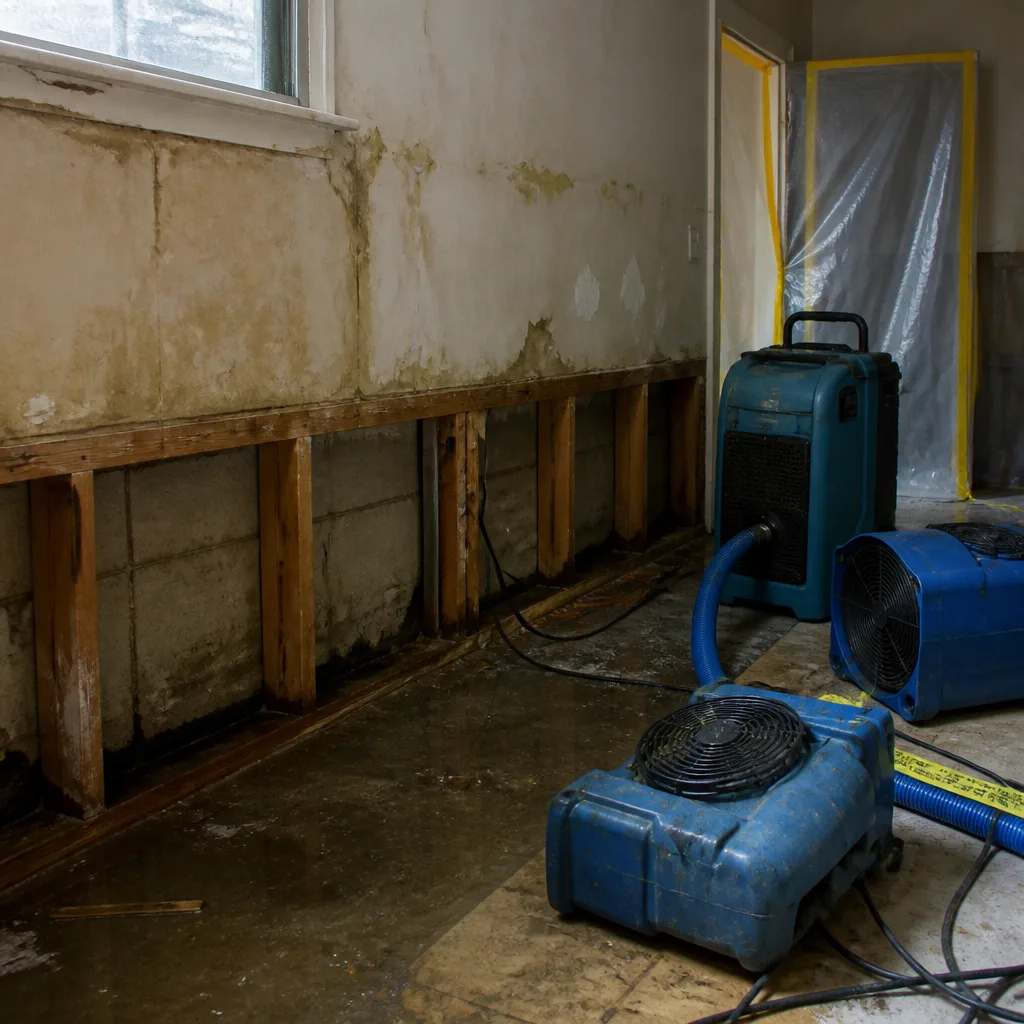 Before
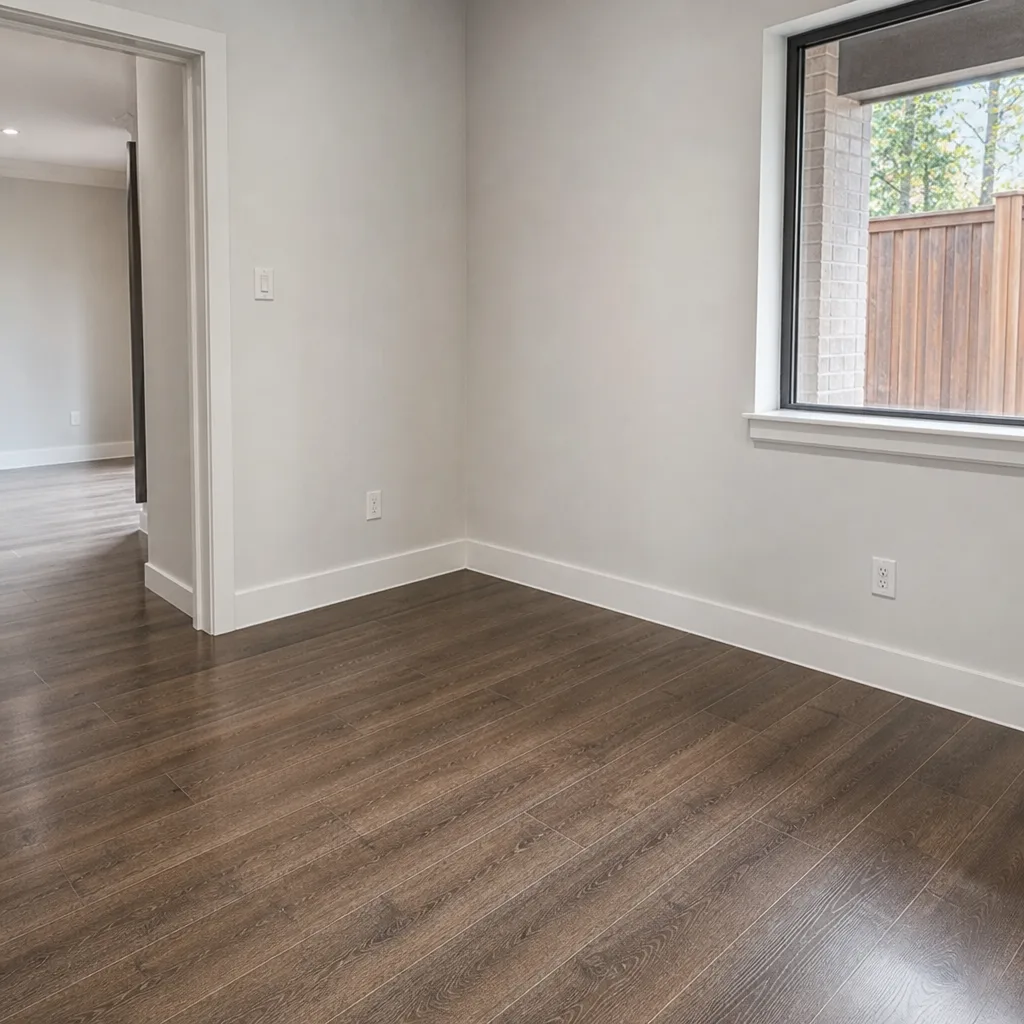 After
After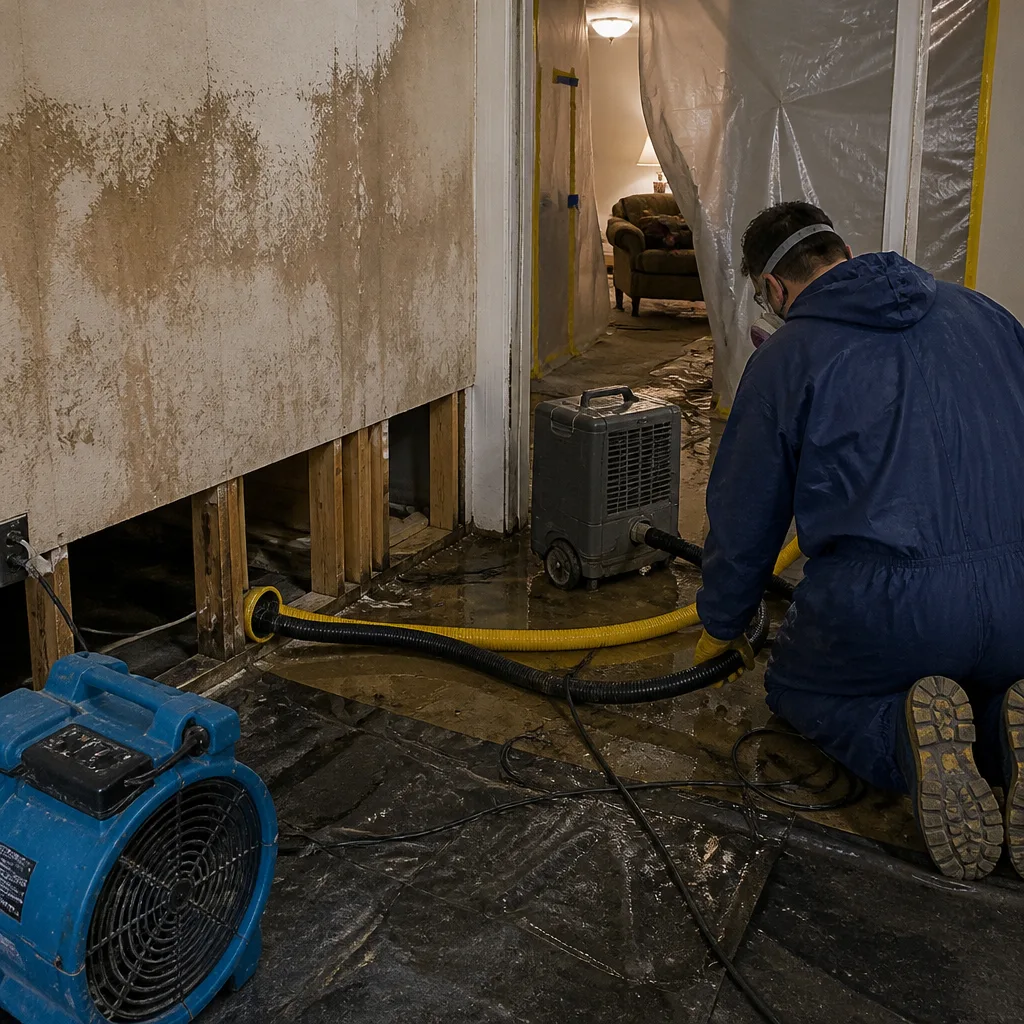 Before
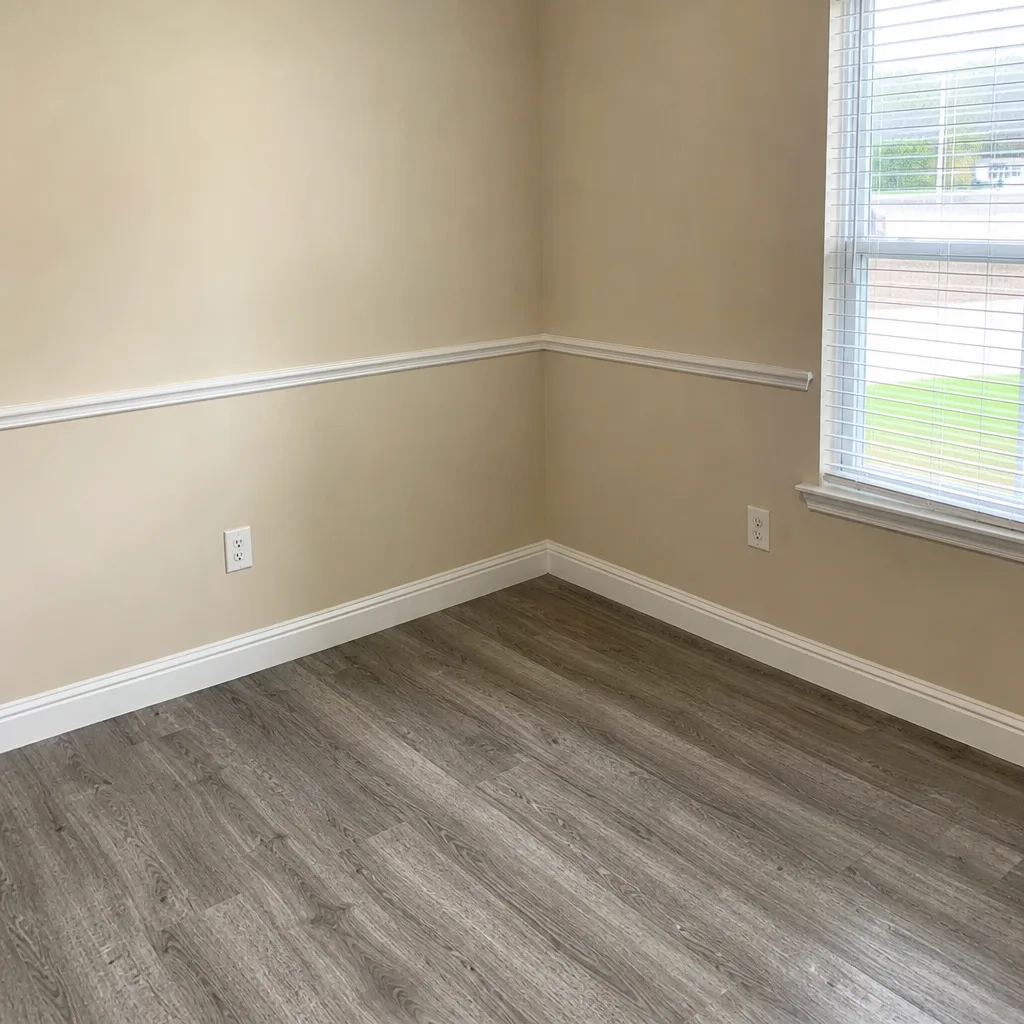 After
After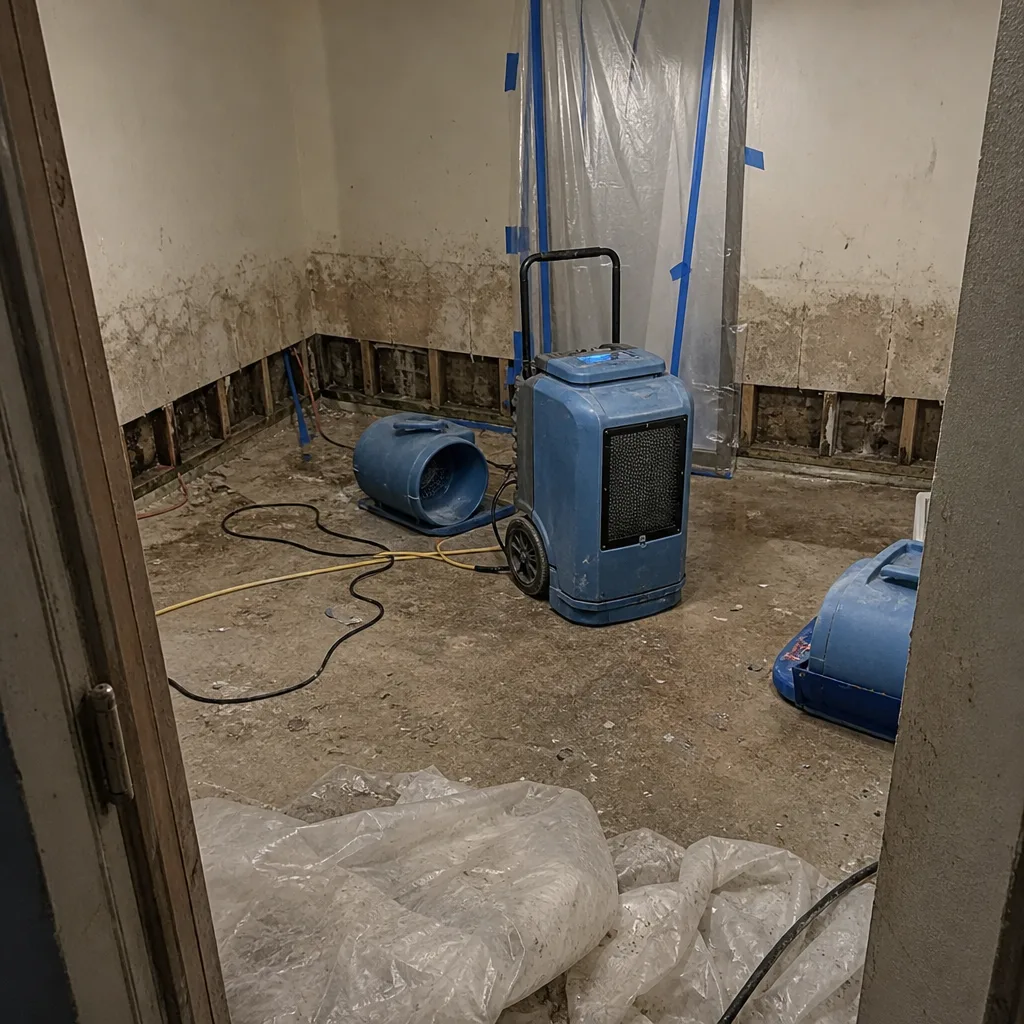 Before
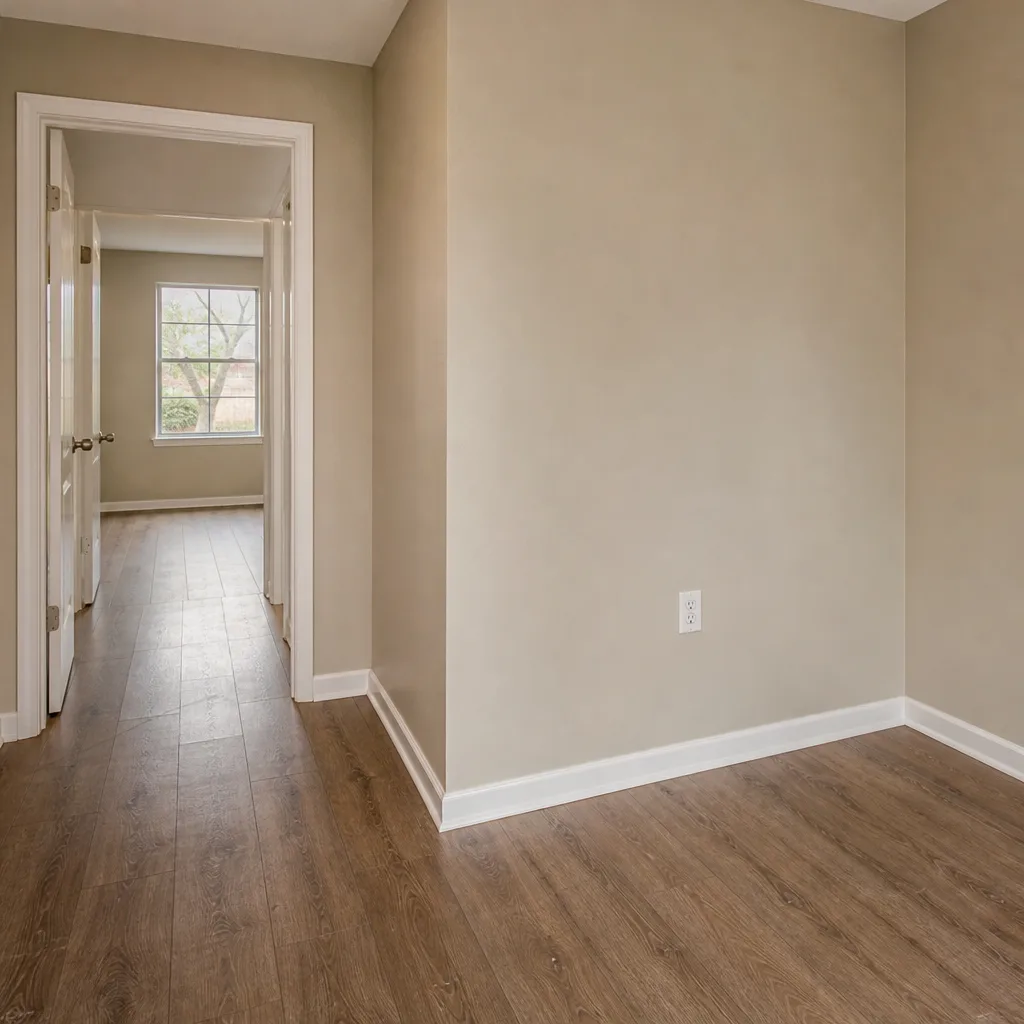 After
AfterStructural Drying & Dehumidification in Fort Worth, TX
Structural drying and dehumidification removes hidden moisture from framing, subflooring, and drywall after a water loss, so your Fort Worth home does not quietly rot, warp, or grow mold behind the walls. In most cases it costs between $1,800 and $4,200 depending on how far the water traveled and how many rooms are affected. At Tidemark Water Damage Fort Worth, we find the tide mark, dry past it, and give you a written price before any equipment gets plugged in. Call (682) 703-9856 any hour, and a real person answers.
This is the part of Water Damage Restoration that happens after the standing water is gone. Extractors pull out what you can see. Structural drying handles what you cannot: the moisture wicked up into baseboards, trapped under tile, soaked into the bottom plates of walls. Fort Worth’s clay soil and hot, humid summers mean moisture does not leave on its own. It hangs around. Our job is to give it a reason to leave, and to prove it is gone before we pack up.
A tide mark is the line water leaves on a wall. It is the first thing our technicians look for on every job, because it tells us where the water stopped, and where drying has to begin.
When You Need Structural Drying & Dehumidification
Not every spill needs professional drying. These situations typically do:
- A supply line burst while you were at work. Water ran behind cabinets, under vinyl plank, and into the wall cavities of a hallway. What you see on the floor is maybe a third of the problem.
- A water heater failed in the garage. In Fort Worth homes, garages often share a wall with a bedroom or utility room. Water follows the bottom plate and seeps under that shared wall before anyone notices.
- An upstairs bathroom overflowed. Water traveled down through the ceiling cavity, soaked the joists, and dripped into the room below. The ceiling may look dry in a few days. The joists will not be.
- A slab leak or foundation seep pushed moisture up through the slab. Fort Worth’s expansive clay soil contracts during dry spells, which puts stress on slab foundations and can let groundwater find a way in after heavy rain. Moisture under flooring needs subfloor drying, not just a mop.
- You smell mustiness but cannot find visible water. That smell is usually moisture that never left a wall cavity or subfloor. It needs to be measured, found, and dried.
- A restoration crew extracted water but left after two days. Carpet feels dry to the touch while the pad and subfloor underneath are still wet. That is the exact scenario that leads to flooring failure and mold inside walls weeks later.
If any of those sound familiar, call (682) 703-9856. We’ll tell you over the phone whether we think you need full structural drying or something simpler, and we’ll be honest about it either way.
Our Structural Drying & Dehumidification Process
We follow the same sequence on every drying job because moisture removal is a physics problem, not a guessing game. Here is what to expect from home inspection to final photo:
- Map the moisture. Technicians use moisture meters and thermal imaging to find exactly where water traveled. We mark readings on floors, walls, and ceilings. You see the map. We talk through what is wet, what is at risk, and what the equipment plan will be before anything is plugged in.
- Set the written price. Before any equipment is unloaded, you get a written price for the drying scope. That number is not a teaser. It is what you will pay. No surprise line items appear later.
- Protect the home. Shoe covers go on at the door. Drop cloths cover the floor before the first piece of equipment comes in. We ask before we move furniture or belongings, and we tell you what we are moving and where it will go.
- Place the drying system. We position air movers, dehumidifiers, and in hard-to-reach cavities, injectidry-style drying mats that pull moisture from under flooring. The equipment brands we run include Phoenix, XPOWER, and B-Air, machines built for restoration work, not rental-counter leftovers.
- Monitor daily until dry. We return to take moisture readings every day, adjust equipment placement, and document the drying curve. You see the numbers moving. When materials reach their dry standard, not just “feels dry,” we have hit the target.
- Final walkthrough and photo. Before our crew leaves for the last time, we take a photo of the clean-up and share it with you. You see exactly what was done and how the space was left. Our benchmark is simple: clean up like it is our own home.
Every one of these steps is handled by background-checked, uniformed technicians holding IICRC, RIA, and IFA credentials. They are trained to find the tide mark and dry past it, which is the entire difference between a job that holds up and one that gets torn out again in six months.
Structural Drying & Dehumidification Pricing in Fort Worth
Most structural drying jobs in a single-family Fort Worth home run between $1,800 and $4,200. Smaller isolated losses, like a single bathroom supply line caught quickly, can land below that. A whole-home event with water under hardwood across multiple rooms can exceed it. You will see your specific written number before we start, every time.
What actually moves the price:
- Square footage affected. More wet area means more air movers and dehumidifiers, and more days of monitoring.
- What got wet. Water under hardwood costs more to dry than water on tile, because hardwood usually requires mat drying underneath. Water in wall cavities adds time and equipment.
- How long the water sat. A supply line that burst at 9 a.m. and was found at noon is a smaller job than one that ran over a holiday weekend.
- Category of water. Clean water from a supply line is straightforward. Water from a washing machine or dishwasher that sat becomes a different conversation, and may require antimicrobial application as part of the drying plan.
- Drying days. Most jobs dry in three to five days. Thick assemblies, like double-layer subfloor or plaster walls, take longer, and longer means more daily monitoring visits.
We do not charge for the initial assessment, and we are upfront when a loss is small enough that you could handle it with fans and time. When the job does need us, you get the written number first. Call (682) 703-9856 for an honest read on your situation.
Why Drying Actually Matters in Fort Worth
When you need water damage restoration near you in Fort Worth, know that local humidity does not let building materials dry passively the way they might in West Texas. Our summer dew points regularly sit in the low 70s, and houses built on clay soil deal with moisture moving through slabs and crawlspaces in ways that newer construction in other regions never experiences. A wall cavity that reads 22% moisture content in July will not air-dry to an acceptable level. It will sit there, feeding mold spores that were already in the wall before the water event ever happened.
That is why we dry to a measurable standard, not to a timeline. We are not finished when the equipment has run for four days. We are finished when the moisture meter says the material is back to its dry standard. If that takes five days or seven, that is what it takes, and the 365-Day Done Right Promise means we stand behind that outcome long after the crew has left. If the drying was not done right, we make it right. Not for 30 days. For the full year.
What We Protect While We Work
You care about how the house is left, not just whether the damage is fixed. So do we. That concern is baked into our process:
- Floors and furnishings. Shoe covers, drop cloths, and floor protection are standard on every visit. Not an upsell. Not a line item.
- Kids’ routine. We use lower-decibel settings on air movers during school hours and nap time where the drying plan allows, and we’ll tell you the schedule before the equipment goes in.
- Pet safety. We use pet-safe drying agents where there is a choice, and we keep cords, hoses, and equipment arranged so a curious dog does not find trouble.
- Your belongings. We ask before we move or touch anything. Every single time.
- Your time. Calls are answered by a live person 24 hours a day, seven days a week. No voicemail. No callback queue. Water damage does not wait for business hours, and neither do we.
Rick Sumner, our owner, has spent nearly two decades running restoration work on the promise that a homeowner should never feel talked past or rushed. When you call, you are talking to people who work for him, and who answer to the same standard.
FAQs – Structural Drying & Dehumidification
How long does structural drying take in Fort Worth?
Most Fort Worth homes dry in three to five days with professional equipment running continuously. Homes with hard-to-dry materials like plaster walls, double-layer subflooring, or deeply saturated joists can take seven days or more. We monitor moisture readings daily and do not call the job done until materials read at their dry standard, not just until the calendar says it has been long enough.
Can I just use fans and a dehumidifier from the hardware store?
For a small spill on a non-porous floor, maybe. For water that has traveled under flooring or into wall cavities, no. Household dehumidifiers pull a fraction of the water that commercial desiccant or low-grain refrigerant units remove, and household fans do not create the focused airflow needed to dry wall cavities and under-cabinet toe kicks. Hidden moisture is exactly what leads to mold and floor failure later. If you are unsure, call (682) 703-9856. The assessment is free and we will tell you honestly if fans will do the job.
How much does structural drying cost in Fort Worth?
Most structural drying jobs in Fort Worth run between $1,800 and $4,200 for a typical single-family home. Small bathroom losses caught quickly cost less. Whole-home events involving hardwood flooring and multiple wall cavities cost more, and basement water removal can add complexity depending on how the water entered. You receive a written price before any work starts, every time, with no surprises on the final invoice.
Will my homeowner’s insurance cover structural drying?
In most cases, yes, if the water event is sudden and accidental and you have standard property coverage. We document everything, including moisture maps, daily readings, and the final dry standard measurements, in a format adjusters recognize. We also work with your insurance company directly if that helps. Call (682) 703-9856 and we’ll help you figure out the coverage picture before you commit to anything.
Written by Rick Sumner, Owner at Tidemark Water Damage Fort Worth, serving Fort Worth.