
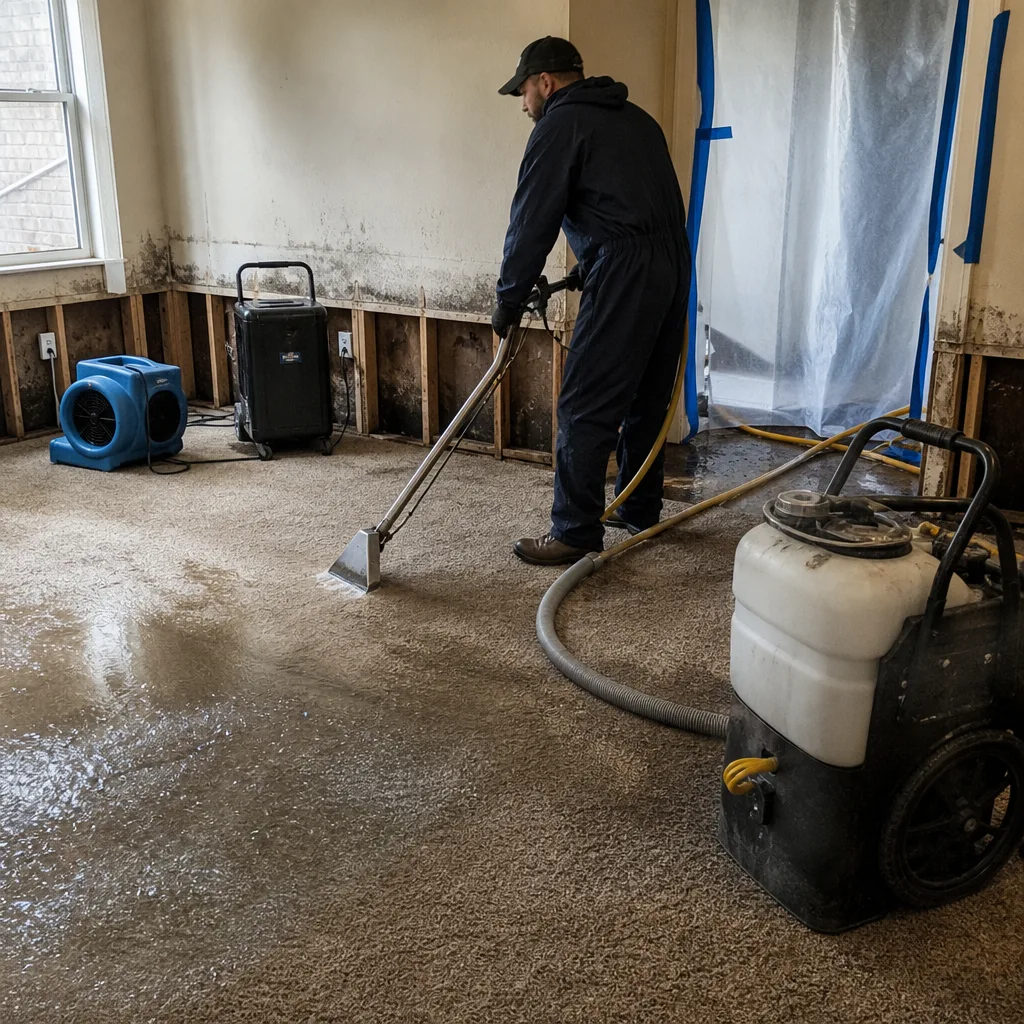
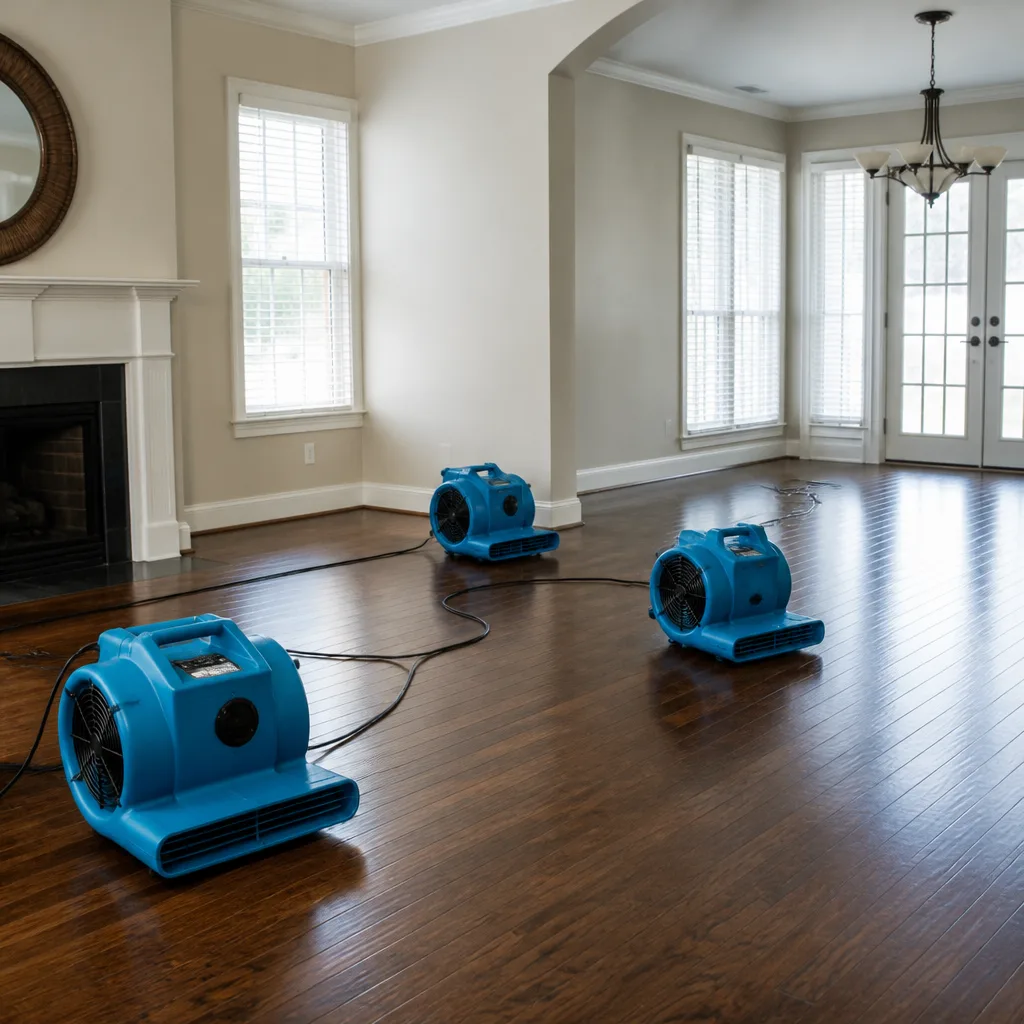
 Water damage drying
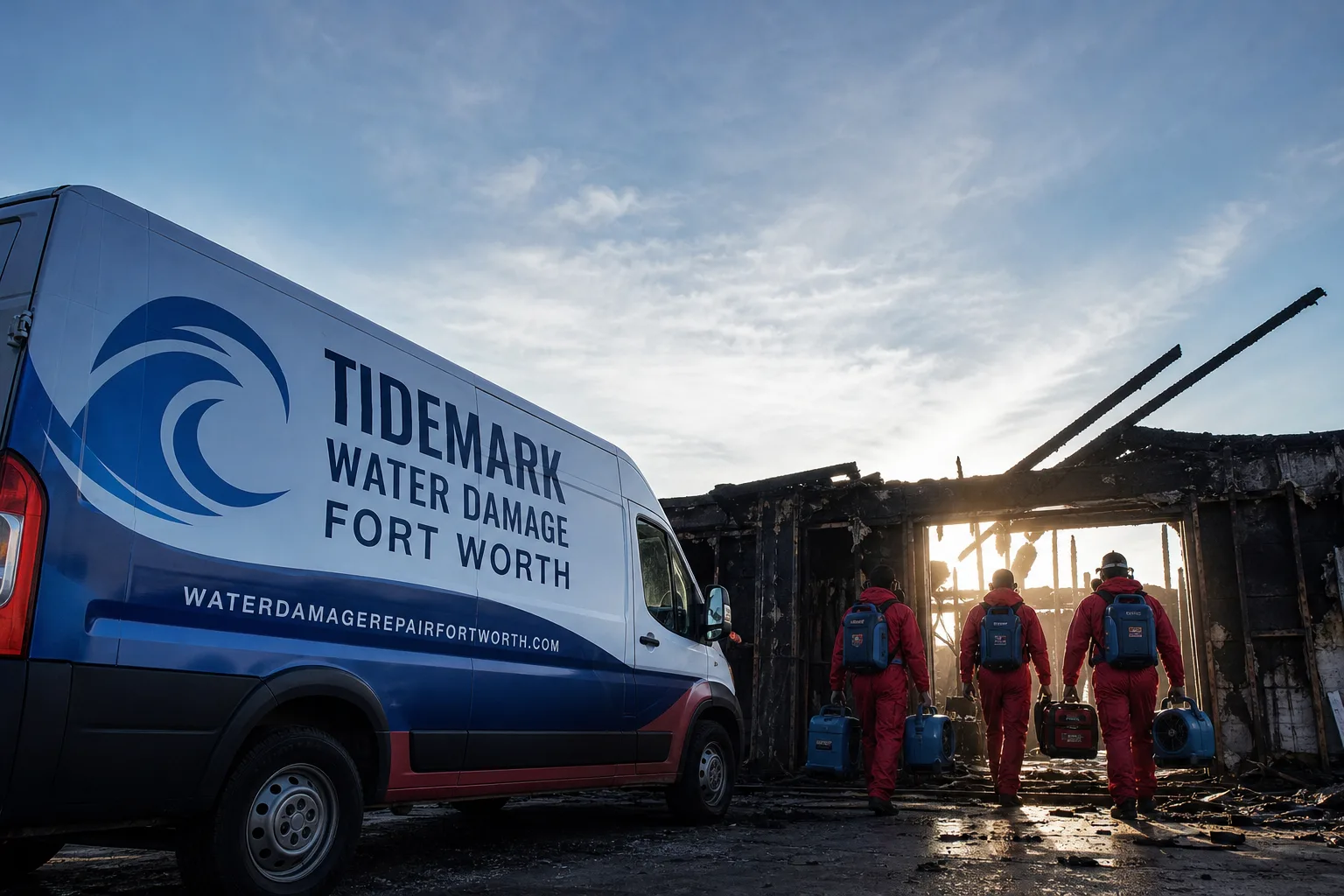
 Fire & smoke cleanup
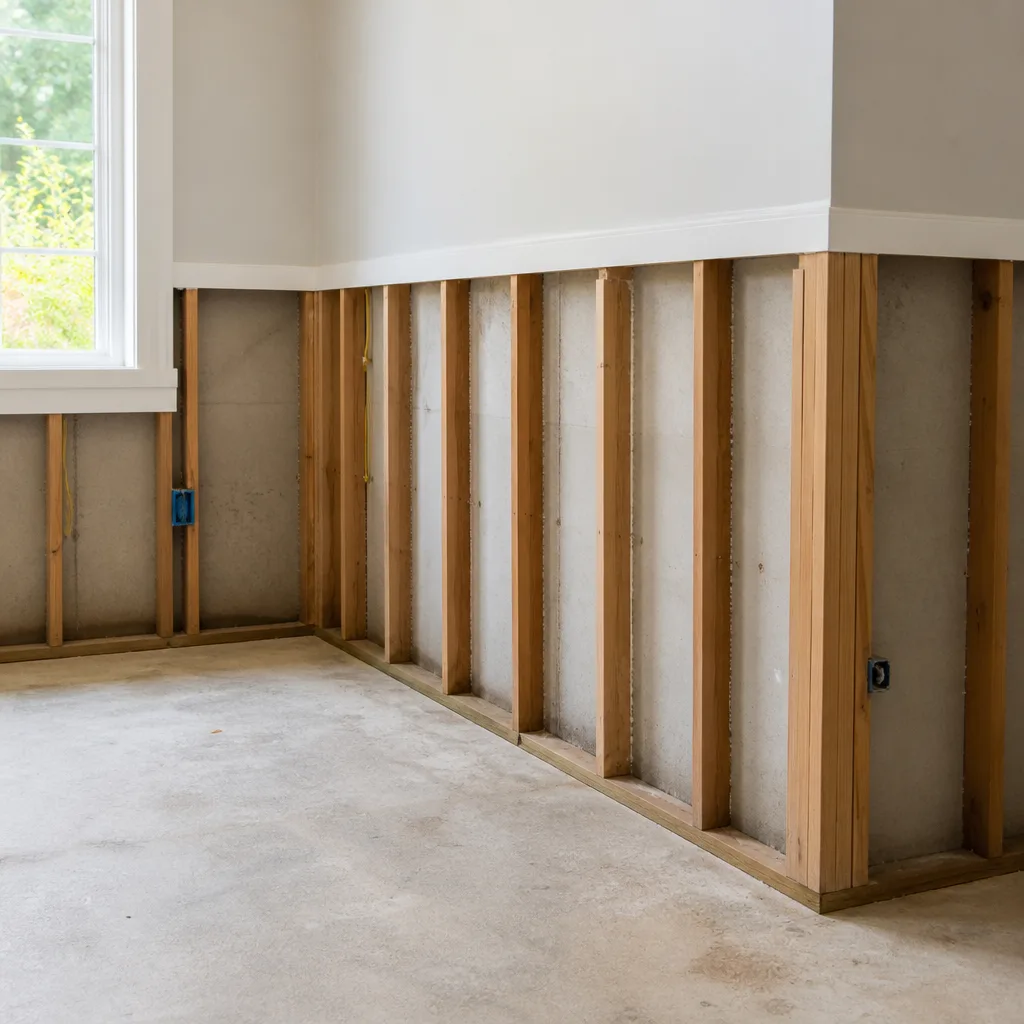 Mold remediation
 Storm response
 Sewage cleanup
 Reconstruction
Free visual inspection and a written scope of work before any mitigation begins - photos, moisture readings, and drying logs go in your claim file
The scope we write is the scope we bill. Anything new gets shown to you, in writing, before we touch it.
Get your free estimateRestoration work we handle
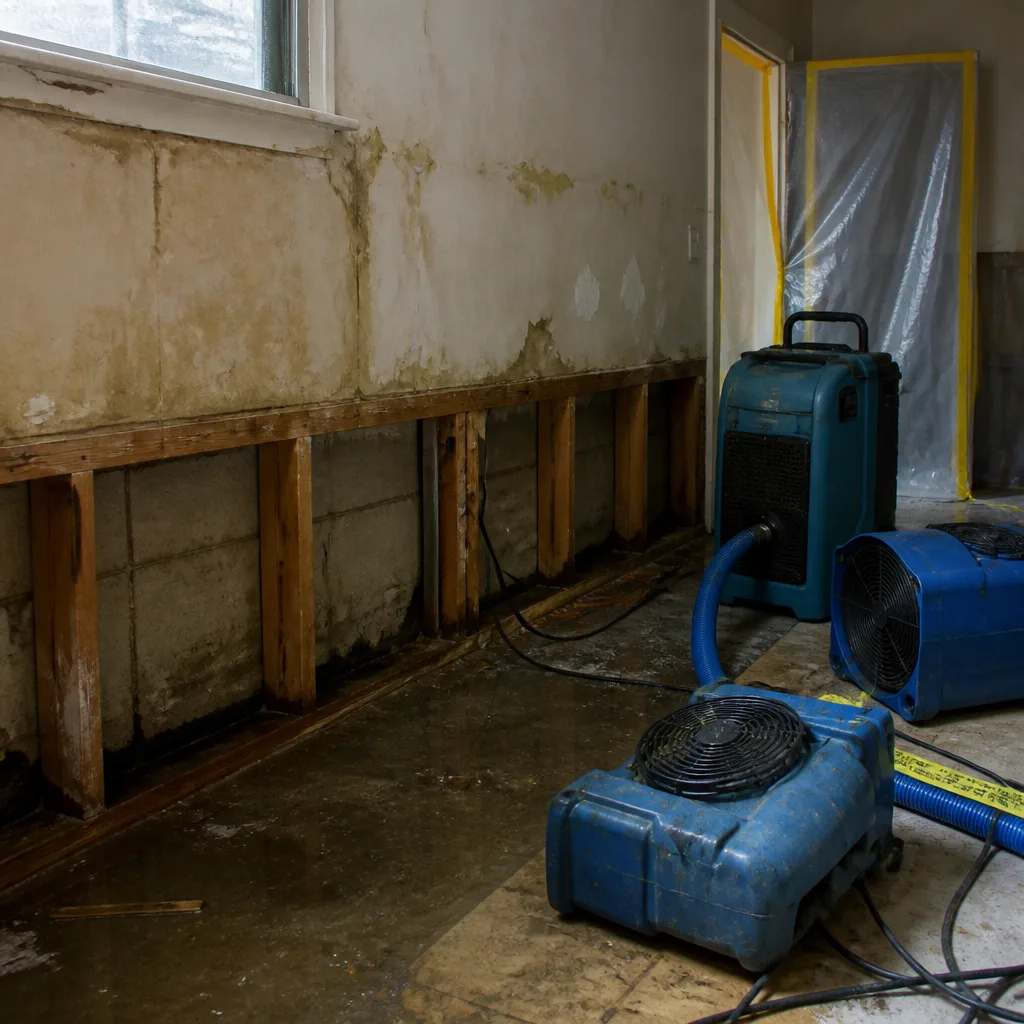
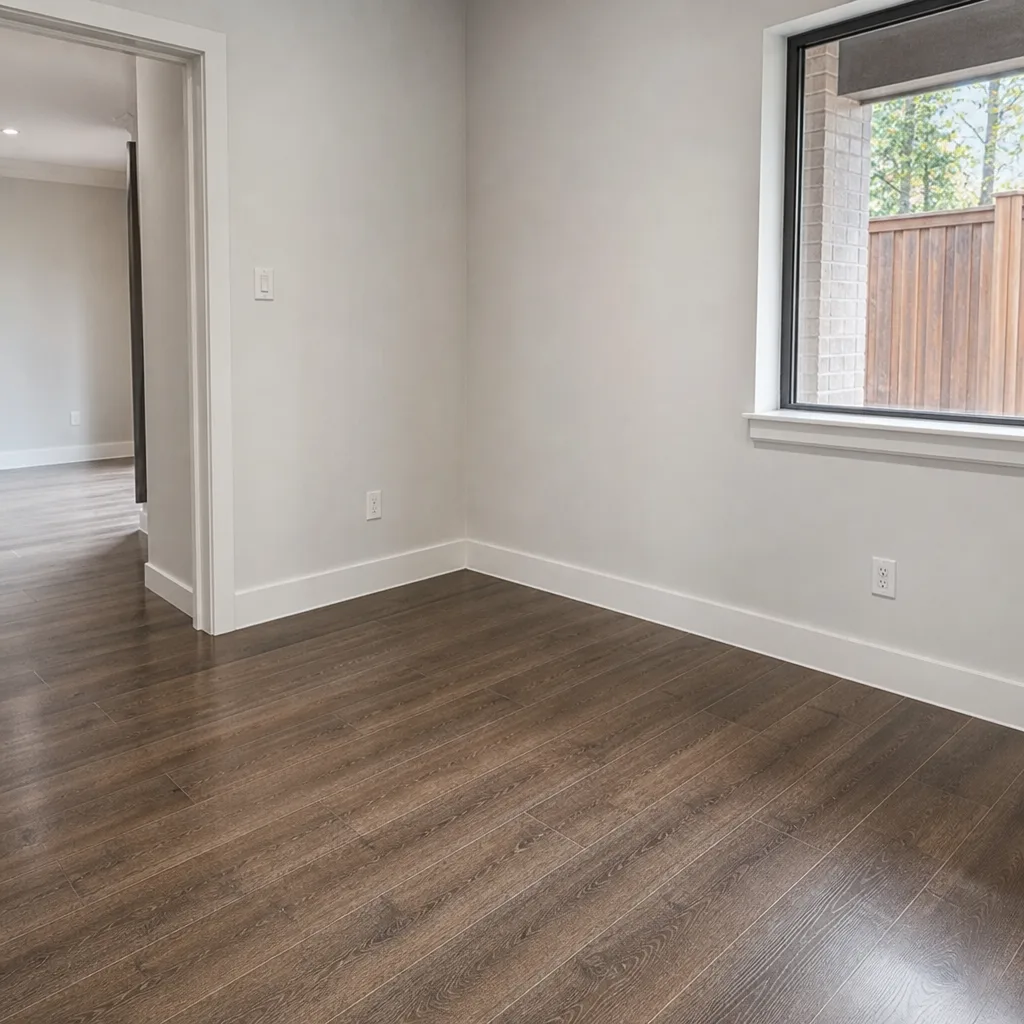
See the difference
 Before
 After
After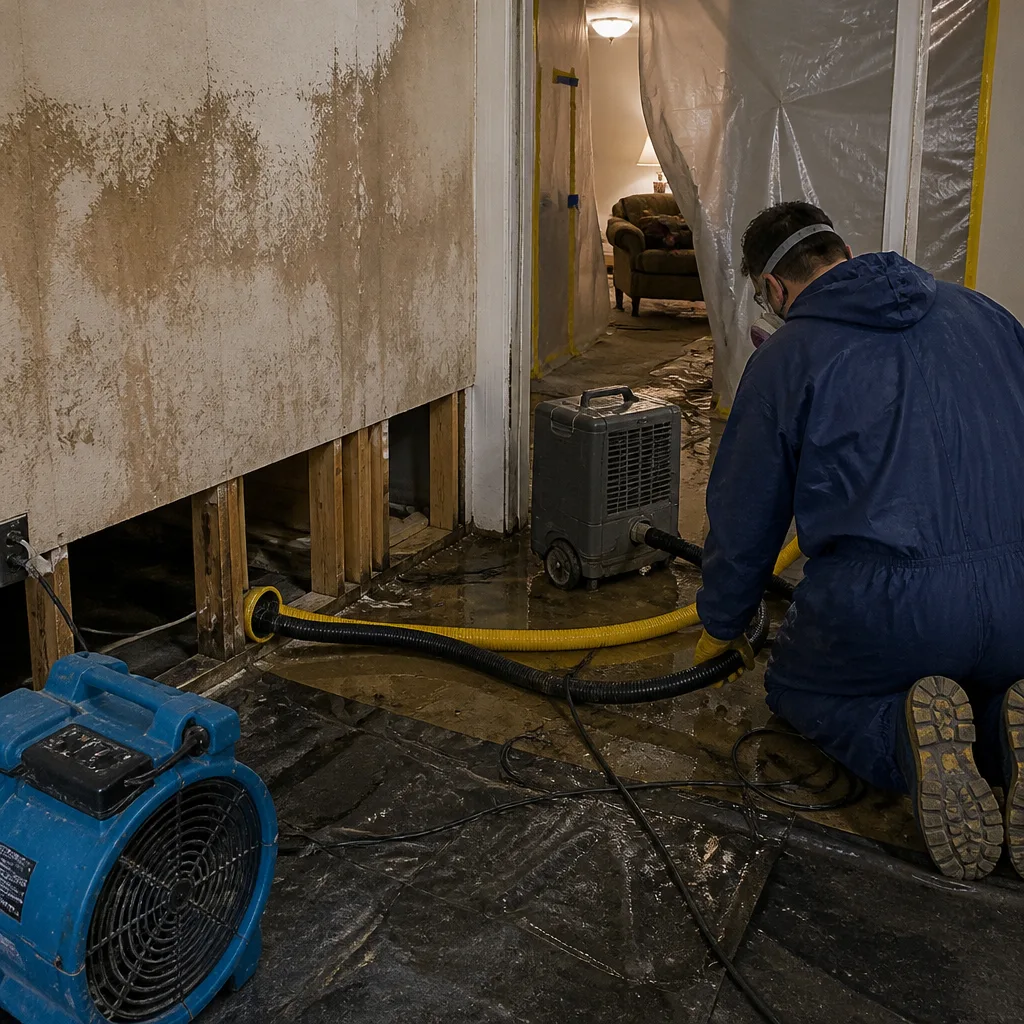 Before
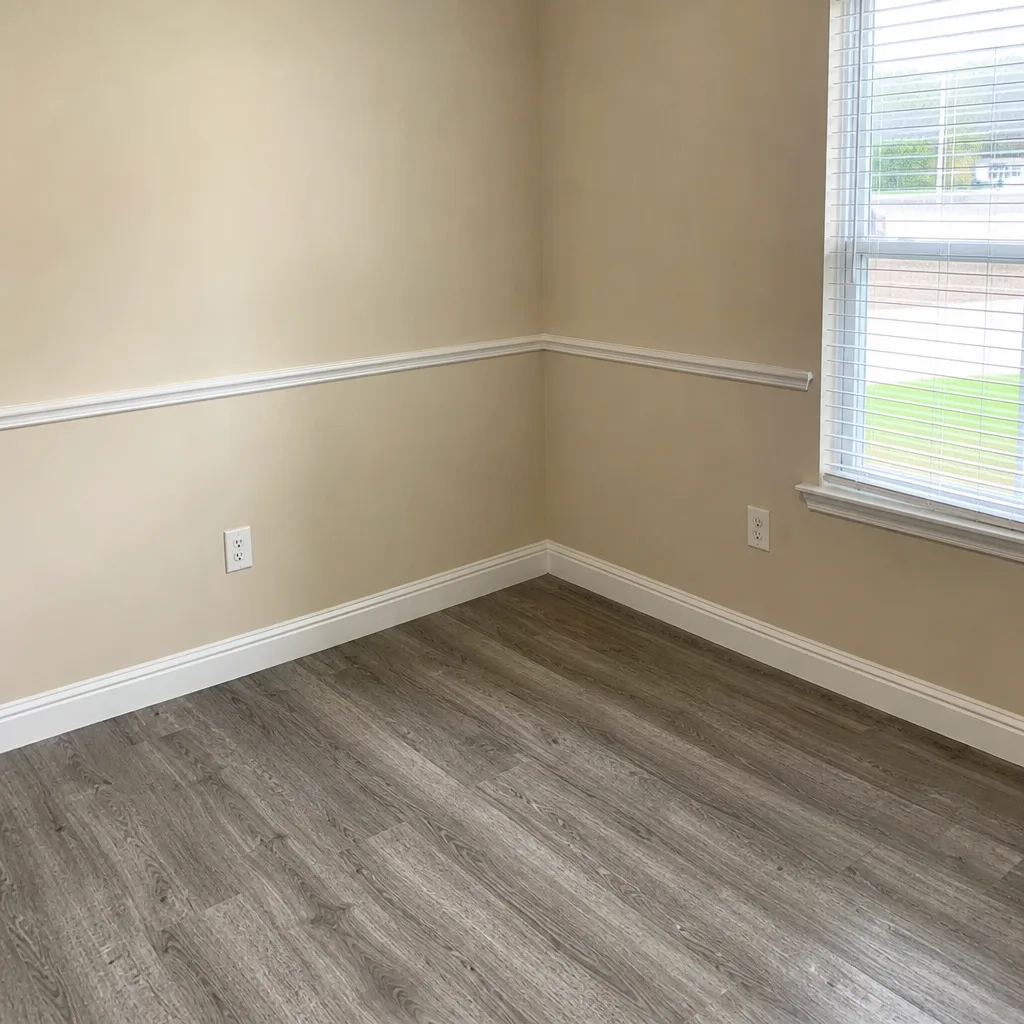 After
After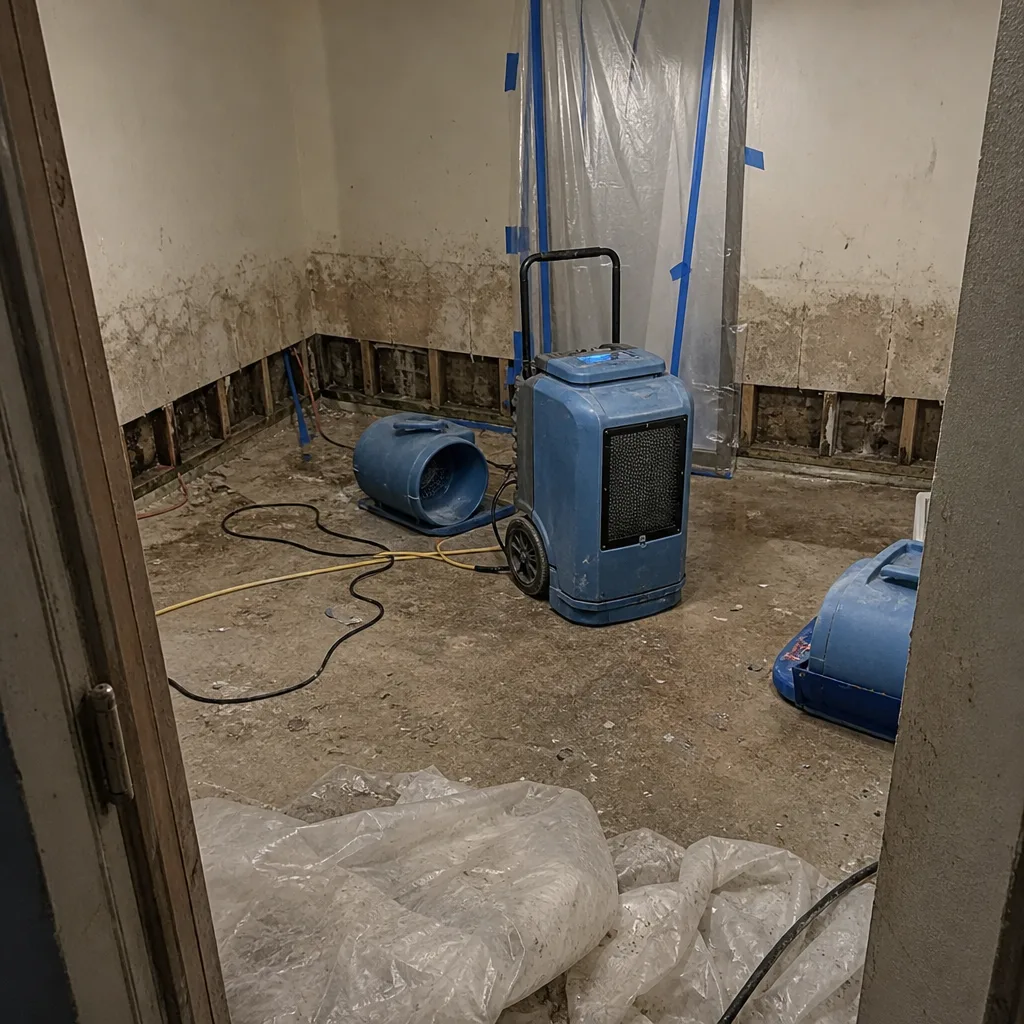 Before
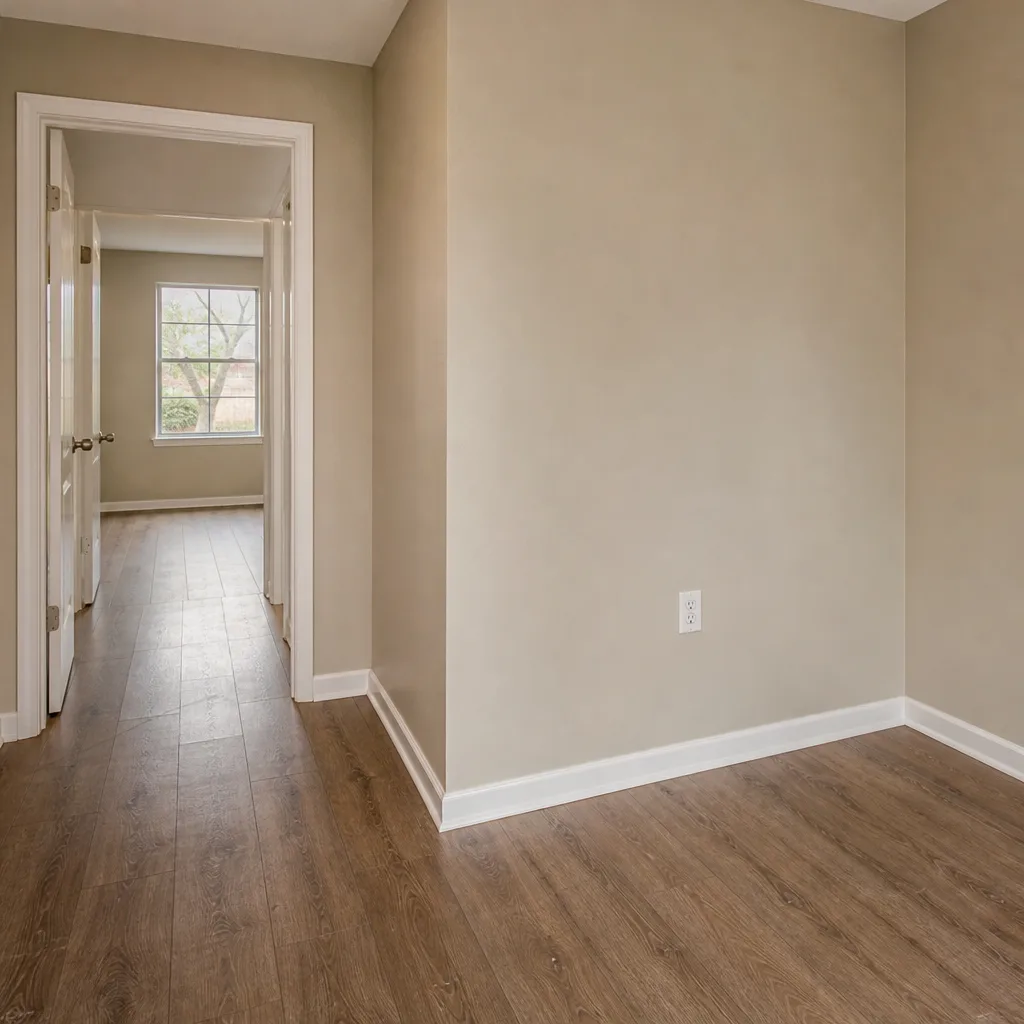 After
AfterHow Much Does Damage Restoration Cost in Fort Worth?
Most homeowners in Fort Worth pay between $1,200 and $5,500 for water damage restoration, while mold remediation typically runs $1,500 to $6,000, and fire damage restoration ranges from $3,000 to $25,000+ depending on the affected square footage and materials. Water damage is the most common restoration call in Fort Worth, driven by burst pipes during the January-February freeze season, AC condensate overflow in August, and the heavy rain events that push water through slab foundations in neighborhoods like Como, Ryan Place, and Wedgwood. At Tidemark Water Damage Fort Worth, the written price comes before any work starts, so you’ll know your number before a single machine gets unloaded.
The quick answer for most single-room water damage in a Fort Worth home: $1,800 to $3,400. That includes extraction, drying, dehumidification, baseboard removal where needed, and antimicrobial application. Whole-house flooding from a supply line break can push into the $8,000 to $18,000 range once you factor in drywall replacement, flooring, and cabinetry.
Key Takeaways:
- Single-room water damage in Fort Worth: $1,800 to $3,400 on average
- Mold remediation: $1,500 to $6,000, with crawl space mold on the higher end
- Fire damage (including smoke and soot cleanup): $3,000 to $25,000+
- Every Tidemark job includes a written price before work begins, with no surprise line items later
- Free estimates are available by calling (682) 703-9856, answered by a live person 24/7
Damage Restoration Cost Breakdown (2026)
These numbers reflect the Fort Worth market as of 2026, gathered from jobs we’ve priced across Tarrant County. They assume a typical 1,800 to 2,400 square foot single-family home. Your exact number depends on the water category, how long the water sat, and what materials absorbed it.
| Service | Typical Cost Range | What’s Included |
|---|---|---|
| Water extraction only | $500 to $1,800 | Standing water removal, initial assessment, moisture mapping |
| Water damage restoration (single room) | $1,800 to $3,400 | Extraction, structural drying, dehumidification, antimicrobial treatment, baseboard removal/replacement |
| Water damage restoration (multiple rooms) | $4,000 to $12,000 | Full drying protocol, drywall removal and replacement, trim work, flooring repair |
| Mold remediation (visible, small area) | $1,500 to $3,500 | Containment, HEPA vacuuming, antimicrobial application, air scrubbing |
| Mold remediation (crawl space or attic) | $3,000 to $6,000 | Full containment, insulation removal, structural treatment, moisture source correction |
| Fire and smoke restoration | $3,000 to $25,000+ | Soot cleaning, odor removal, surface restoration, structural repairs where needed |
| Sewage backup cleanup | $2,500 to $8,000 | Category 3 water removal, full sanitization, affected material disposal |
What drives the price up in Fort Worth specifically? Slab foundations are common here, and when a supply line breaks under the slab in Ridglea Hills or TCU neighborhoods, the water pressure can force moisture up through the flooring. That means engineered wood planks and tile over slabs often need full removal, not just drying. Cotton-batt insulation in older homes near Hulen Mall or Meadowbrook holds water and has to come out. And August humidity means drying equipment runs longer than it would in, say, El Paso. Dri-Eaz dehumidifiers work hard in Texas heat, and that run time shows up honestly on the final invoice.
We hand you a line-item price before starting. Not an estimate with weasel words. A written number. Rick Sumner built the Fort Worth team on that principle in 2006, and it’s part of the Cedarwell Care Promise we work under every day.
What Affects Damage Restoration Pricing in Fort Worth
- Water category (1, 2, or 3): Clean water from a supply line is cheapest to address. Gray water from a washing machine overflow costs more because sanitization becomes part of the protocol. Black water from sewage backups in older neighborhoods with clay pipes, like parts of Polytechnic and Stop Six, requires full removal of affected porous materials, which is the most expensive and labor-intensive category.
- Time the water sat before extraction: A pipe that bursts while you’re home and gets called in within an hour will almost always cost less than a leak that ran all weekend in a vacant rental near Texas Wesleyan. Water that sits for 48 hours migrates into drywall, baseboards, and subfloor. Longer drying time, more material replacement.
- Flooring type: Tile over a slab usually dries well with just extraction and dehumidification. Engineered hardwood typically has to be removed because Fort Worth’s clay soil keeps slab moisture high, and the locking seams trap water underneath. Carpet in a bedroom can sometimes be saved if the water was clean and caught quickly.
- Wall construction: Older Fort Worth homes often have plaster walls instead of drywall. Plaster can sometimes be dried in place if the water was clean, but if the plaster is over wood lath, the lath swells and stays wet longer. Newer drywall, by contrast, wicks water upward and usually needs a flood cut at the 2-foot mark or higher.
- Mold colony location and extent: A small patch of mold behind a bathroom vanity is a contained job. Mold that spread through a pier-and-beam crawl space under a home in Fairmount or Berkeley Place is a different animal because the entire underfloor space needs containment, negative air pressure, and replacement of insulation and vapor barrier.
- Access and demolition requirements: Cabinets sometimes have to come out to reach wet drywall behind them. Tile countertops may need to be detached, not just removed. In Fort Worth homes with custom cabinetry, we protect adjacent surfaces with drop cloths and shoe covers go on at the door before any of that begins.
How to Save on Damage Restoration
You can’t control when a pipe bursts, but you can control response time, documentation, and who you let through the door. Here’s what actually saves money on restoration work in Fort Worth:
- Call the same day you notice the damage. Water migration doesn’t pause while you decide. Every 12 hours, the wet perimeter grows. A call right when you spot the problem means less drywall comes out, fewer floorboards come up, and the drying equipment runs fewer days. Call (682) 703-9856 and a person answers, not a voicemail tree.
- Take photos before anything gets moved. Your insurance adjuster will want them. Our technicians also document everything, but your own photos with timestamps help establish the sequence of events for your claim.
- Don’t attempt DIY drying with box fans and a shop vac for anything beyond a small spill. A box fan moves air across the surface, but water that has wicked up the drywall stays trapped. We’ve seen homeowners in Lake Worth and Saginaw run fans for three days, feel the surface dry, and then discover mold blooming behind the baseboards two weeks later. That second problem costs more than addressing the first one correctly.
- Ask about drying equipment options. We use lower-decibel settings on XPOWER air movers when possible, especially during nap time and school hours. It’s a small consideration that matters to families, and it doesn’t change the price.
- Get a written price before any work starts. This is our standard practice on every job, not an upsell. You should never approve work based on an hourly rate with an open-ended scope. A written number means you can plan, file your insurance claim, and know exactly where you stand.
- Don’t skip the antimicrobial step on Category 1 water. It’s tempting to cut the line item that says “antimicrobial application” when the water looked clean. But Fort Worth’s warm climate, especially from May through October, creates perfect conditions for microbial growth inside wall cavities. Skipping it saves $200 to $400 now and risks a $3,000 mold problem later.
Every estimate from Tidemark Water Damage Fort Worth is free. Rick Sumner and the team walk through the moisture readings, explain what’s wet and what isn’t, and hand you the written number before anyone picks up a tool. No pressure, no countdown clock, and the 365-Day Done Right Promise stands behind every job, whether it’s water, mold, or fire.
Water Damage Restoration Costs in Fort Worth
Water damage is the most common call we run in Fort Worth, and it breaks down into three phases: extraction, drying, and repair. Extraction runs $500 to $1,800 on its own. Structural drying with professional equipment (Dri-Eaz dehumidifiers, Phoenix air movers, and Injectidry floor drying mats) typically adds $1,000 to $2,500 depending on the room count and how long the equipment runs. Repairs, meaning drywall replacement, baseboard, paint, and flooring, run $800 to $6,000+ depending on what got wet.
In our work across Fort Worth, the tide mark is the first thing our technicians look for on every job. That line water leaves on a wall tells us exactly how high the moisture traveled and how far past it we need to dry. We don’t dry to the visible line. We dry past it.
A burst supply line in a kitchen on the west side, near Camp Bowie or Arlington Heights, usually means the water ran under the cabinets and into the dining room. That’s not a one-room job anymore. The written price accounts for what the moisture meter shows, not just what’s visibly wet. We explain the price before the work, not after.
Mold Remediation Costs in Fort Worth
Mold remediation in Fort Worth runs $1,500 to $6,000 for most residential jobs. Small contained areas, like a bathroom ceiling or a closet wall, sit on the lower end. Crawl space and attic jobs, where containment barriers and negative air pressure are required, push toward the top of the range. The cost difference comes down to square footage, whether insulation must be replaced, and what kind of access the technicians have.
Fort Worth’s climate matters here. The summer months bring sustained humidity levels above 60%, which means mold grows faster inside unconditioned spaces. Pier-and-beam homes in older neighborhoods like Fairmount and Mistletoe Heights are more susceptible to crawl space mold because the soil under the house stays damp. Our IICRC- and IFA-credentialed technicians set up containment first, then clean, then dry, and then treat. The final photo we share before leaving shows exactly what the space looked like when we finished.
If the mold is behind a wall, the drywall usually comes out. There’s no way to clean the back side of drywall in place. We ask before we move or touch anything. That’s part of the C.A.R.E. standard: ask before we move or touch anything, respect the family’s time and quiet hours, explain the price before the work.
Fire Damage Restoration Costs in Fort Worth
Fire restoration is the widest range because no two fires affect a home the same way. A small kitchen fire that’s extinguished quickly might only need smoke odor removal, soot cleaning on surfaces, and repainting. That runs $3,000 to $8,000. A larger fire that involves structural members, multiple rooms, or water damage from firefighting efforts pushes into the $15,000 to $25,000+ range.
Soot is corrosive. If it sits on metal surfaces for more than a few days, it etches them permanently. Fort Worth homes with older HVAC systems also recirculate smoke odor through the ductwork, which means the duct cleaning and air scrubbing line item becomes necessary. We run HEPA air scrubbers during fire restoration to capture particulates while we work. The written price includes those hours upfront.
Water from the fire department is part of almost every fire restoration job. That water sat in the structure during and after the fire, which means drying happens alongside soot removal. It’s a two-front job, and it requires technicians who understand both water and fire protocols. Our team carries credentials through the IICRC, RIA, and IFA, which is the industry benchmark for combined restoration work.
How Tidemark Prices a Fort Worth Restoration Job
We follow a simple sequence on every job, and you see the number before any work starts:
- We arrive and walk the property with you. Shoe covers go on at the door. We ask which rooms are off-limits, where the kids nap, and which furniture is fragile. We note all of it.
- We take moisture readings. Using penetrating and non-penetrating meters, we find the tide mark and map the wet perimeter. That map tells us how many air movers and dehumidifiers the job needs, and for how many days.
- We write the scope and the number. You get a line-item written price. Materials, labor, equipment days, disposal fees. No hourly meter running behind the scenes.
- You approve the price and we begin. Once you sign off, the equipment comes in over drop cloths. We protect floors and furnishings as a standard step, not an upsell.
- We dry past the tide mark. We don’t stop when the surface reads dry. We track grain moisture equivalents in the studs and subfloor until the numbers say the cavity is dry too.
- We clean up like it is our own home. Every job ends with a photo of the clean-up shared with you before the crew leaves. You see exactly what was done and how it was left.
Rick Sumner has led this team in Fort Worth since 2006, working under the Cedarwell Care Promise. The promise is simple: written price first, pet-safe products where there is a choice, and a 365-Day Done Right Promise. If the restoration is not done right, we make it right. That’s the standard, stated plainly.
What Does Insurance Cover for Damage Restoration in Fort Worth?
Most homeowner policies in Texas cover sudden and accidental water damage, like a burst supply line or a storm-driven leak. They generally do not cover gradual leaks or long-term neglect. Mold coverage is often sub-limited, meaning a policy might cap mold remediation at $5,000 or $10,000 regardless of the actual cost. Fire damage is almost always covered, minus your deductible.
We work directly with insurance adjusters on the claim. We document everything, provide the moisture readings and write the scope in the same format adjusters expect, and walk the property with them when they come out. The written price we give you before starting is the same number we stand behind. We don’t bill the insurance company one number and you another.
If you’re not sure whether your damage qualifies, call (682) 703-9856. We’ll walk you through what your policy language likely covers, and our estimate is free either way.
How Much Does Restoration Cost Per Square Foot in Fort Worth?
Per-square-foot pricing is most common on water and mold jobs, and it’s a helpful way to sanity-check quotes. Here’s what the 2026 Fort Worth market looks like:
- Water extraction and drying: $4 to $8 per square foot of affected area
- Water damage restoration with repairs: $15 to $35 per square foot of affected area
- Mold remediation: $10 to $25 per square foot of contained area
- Fire and smoke restoration: $20 to $50 per square foot, but the range widens significantly with structural involvement
A 200-square-foot affected area (roughly a 10×20 living room) at the middle of the water restoration range lands around $4,000 to $5,000. Smaller areas often have a per-job minimum because the equipment setup and monitoring time are fixed costs whether the wet area is 50 square feet or 500. That’s why single small jobs sometimes look higher per square foot, not because anyone is padding a number.
FAQs: Damage Restoration Cost in Fort Worth
How much does water damage restoration cost in Fort Worth?
Most Fort Worth homeowners pay between $1,800 and $5,500 for water damage restoration, with single-room jobs averaging about $2,500 and whole-house flooding running $8,000 to $18,000. Your number depends on how long the water sat, what materials absorbed it, and whether the water was clean or contaminated. Call (682) 703-9856 for a free, written estimate on your specific situation.
How much does mold remediation cost in Fort Worth?
Mold remediation runs $1,500 to $6,000 for most residential jobs in Fort Worth. Small contained areas like a bathroom ceiling fall on the lower end, while crawl space or attic mold requiring full containment, negative air pressure, and insulation replacement falls on the higher end. The free estimate from Tidemark includes a moisture assessment and a written scope.
Is it cheaper to repair or replace water-damaged materials?
For drywall, repair is almost always cheaper: a flood cut and replacement runs $3 to $6 per square foot installed, while trying to dry saturated drywall in place usually leads to mold and costs more later. For flooring, engineered hardwood often needs replacement, while tile over slab usually dries in place. We give you a written comparison based on moisture readings before you decide.
How fast can you start a restoration job in Fort Worth?
Same day in nearly all cases. Calls to (682) 703-9856 are answered by a live person 24/7, and a crew can usually arrive within hours, not days. Water damage does not wait for business hours, and neither do we.
Does insurance cover water, mold, or fire restoration?
Sudden water damage and fire damage are typically covered by standard Texas homeowner policies. Mold is often covered under a sub-limit, commonly $5,000 to $10,000, depending on the policy. We work directly with adjusters and use the written scope from the start to keep your claim moving.
Pricing reflects the Fort Worth market as of 2026. Tidemark Water Damage Fort Worth offers free estimates, call (682) 703-9856. Written by Rick Sumner, Owner at Tidemark Water Damage Fort Worth, serving Fort Worth since 2006.
What Our Customers Say
"Pipe burst in the wall and soaked the hallway. The crew was calm and reassuring, careful moving our things to dry spots, and sealed off the clean rooms with plastic. A real comfort during a mess."
- Adeline Soto"Dishwasher leaked under the floor for a while. They found the hidden moisture, dried it without tearing up more than they had to, and left the kitchen clean and treated. Gentle with the whole process."
- Gary Linden"Found mold behind the shower. They contained the area carefully so spores didn't spread through the house, wore the proper gear, and cleaned up meticulously. Calm and honest the whole time."
- Troy Bannister