
Last updated October 16, 2026
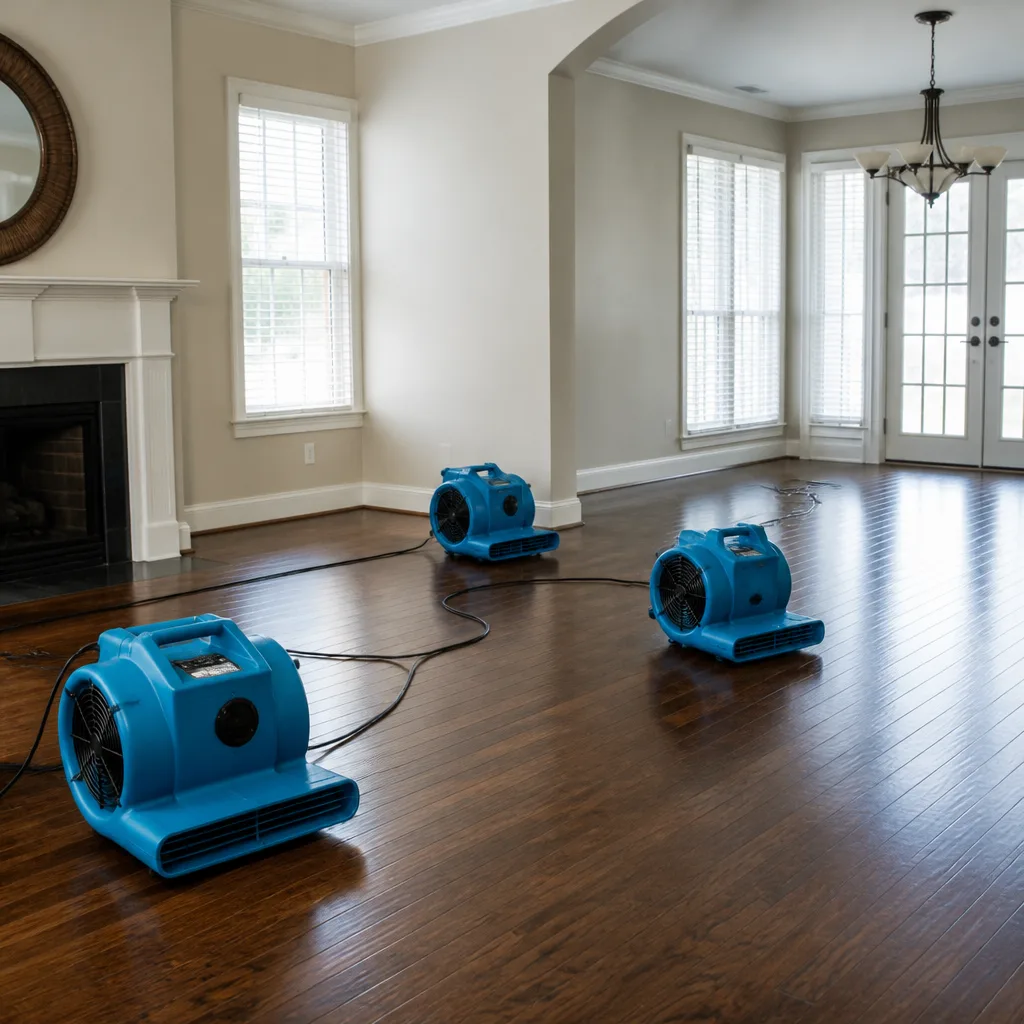 Water damage drying
 Fire & smoke cleanup
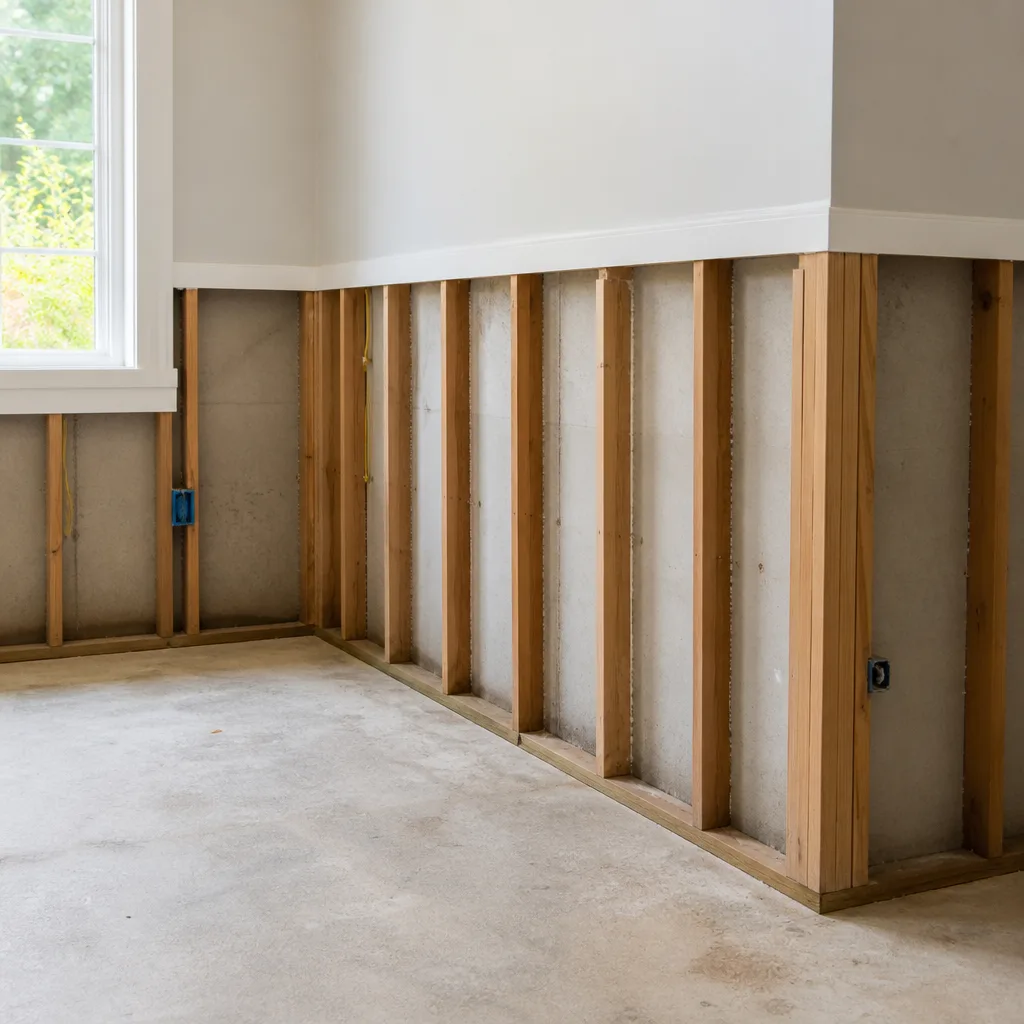 Mold remediation
 Storm response
 Sewage cleanup
 Reconstruction
Free visual inspection and a written scope of work before any mitigation begins - photos, moisture readings, and drying logs go in your claim file
The scope we write is the scope we bill. Anything new gets shown to you, in writing, before we touch it.
Get your free estimateWater Damage Restoration Maintenance Checklist for Fort Worth Homeowners
Condensate drain clogs from HVAC units cause more hidden water damage in Fort Worth homes between May and September than any single storm event, yet they appear on almost no standard homeowner maintenance checklist. We know this because our Water Damage Restoration services have pulled wet drywall from closets, hallways, and ceilings across Fort Worth where an air handler in the attic dripped for weeks before anyone noticed. This guide walks through a month-by-month maintenance calendar built for Fort Worth’s specific failure points: aging cast-iron supply lines in Wedgwood and Ryan Place, HVAC condensate overflows during the long cooling season, and sudden freeze-thaw pipe bursts in winters that arrive with almost no warning. You’ll learn which checks take 20 minutes with a flashlight and which ones need a licensed plumber, and how to photograph what you find so any future insurance claim has a baseline to stand on.
Quick Answer
A water damage prevention checklist for Fort Worth homeowners must cover three things most generic checklists miss: HVAC condensate drain lines during the long cooling season, cast-iron supply line inspection in older neighborhoods like Wedgwood and Ryan Place, and a freeze-readiness routine before January cold snaps. The core monthly routine involves checking five interior leak points, monitoring water pressure below 80 PSI, and documenting findings with photos. For more guides & resources, see our blog; the full guide below breaks this into a month-by-month calendar and separates the 20-minute homeowner tasks from the jobs that require a licensed plumber.
Restoration work we handle
Table of Contents
- The Fort Worth Failure Map: What Actually Causes Water Damage Here
- The Month-by-Month Fort Worth Maintenance Calendar
- The Five Interior Inspection Points That Catch Slow Leaks First
- How to Test Your Water Pressure Without Special Tools
- Documenting Your Baseline: Photos That Pay Off During a Claim
- DIY vs. Licensed Plumber: A Clear Sorting
- Common Mistakes to Avoid
- When to Call a Professional
- Frequently Asked Questions
The Fort Worth Failure Map: What Actually Causes Water Damage Here
Fort Worth sits on expansive clay soil that shifts with every wet-dry cycle, stressing the joints of any pipe running through a slab or foundation wall. That’s the geological backdrop. Built on top of it are neighborhoods with distinct plumbing histories. Homes in Wedgwood, Ryan Place, and much of the central corridor were built when cast-iron pipes were standard. Cast iron served well for decades, but it corrodes from the inside out, and by year 50 or 60, pinhole leaks and joint failures become common. We’ve seen cast-iron supply lines in Fort Worth homes lose integrity in the middle of August, not because of freezing, but because rust finally ate through a fitting under years of soil movement stress.
Then there’s the climate. Fort Worth runs air conditioning from roughly April through October, and that means HVAC condensate lines have a six-month, uninterrupted workload. The condensate drain is a small PVC pipe that carries condensed moisture away from the air handler. It’s narrow, dark, and damp, which makes it a perfect environment for algae and sludge buildup. When it clogs, the water backs up and spills over the drain pan. If the secondary drain is also blocked, which often happens, water spreads into the attic insulation, down through the ceiling drywall, and sometimes into walls two floors below. This is slow damage, and by the time a stain shows on the ceiling, the wood above it has been wet for days or weeks.
Finally, Fort Worth winters are brief but can be brutal. The February 2021 freeze taught every North Texas homeowner what a sustained 10-degree night does to pipes that ran through exterior walls and uninsulated attics. But you don’t need a once-in-a-generation event to burst a pipe here. A single night in the mid-20s is enough for an unprotected pipe in a north-facing wall. The failure pattern we’ve responded to most often in Fort Worth is not the dramatic pipe split, it’s the small crack behind a wall that releases a steady trickle for hours before water finds a seam in the floor.
Understanding these three failure modes changes what belongs on a maintenance checklist. A generic list from a national website might tell you to check your gutters. That’s fine advice, but a Fort Worth-specific list starts with the HVAC condensate line, moves to the cast-iron supply lines, and builds in a freeze-readiness sequence for January. The sections below are ordered by the urgency of the risk in this city, not by a generic “home maintenance” template.
The Month-by-Month Fort Worth Maintenance Calendar
This calendar accounts for Fort Worth’s long cooling season, its brief but dangerous freeze window, and the spring storm surge that hits North Texas in April and May. Each task is labeled as a 20-minute homeowner check or a licensed plumber job. Do not attempt the plumber tasks yourself; the consequences of an incorrect repair hidden inside a wall are worse than the original leak.
January: Freeze-Readiness and Pipe Inspection
This is the month a Fort Worth homeowner watches the forecast and prepares. Before the first freeze warning arrives, do these checks:
- Locate your main water shut-off valve. Time yourself getting to it. If it takes more than 60 seconds to reach and turn, label it and clear the path now.
- Inspect any exposed pipes in the attic, garage, or exterior walls. Feel for cold air moving through the wall cavity. Foam pipe insulation costs a few dollars per six-foot section and reduces freeze risk on exposed runs.
- Disconnect all garden hoses from exterior hose bibs. A connected hose traps water inside the bib, and when that water freezes, the ice expands backward and splits the copper line inside your wall.
- Open the cabinet doors under sinks on exterior walls during hard freezes, allowing warm interior air to circulate around the pipes.
- Licensed plumber task: If you have never had your water pressure regulator checked, schedule it this month. Most regulators last 10 to 15 years, and a failing one can spike pressure from a safe 55 PSI to a destructive 100 PSI.
February: Attic Pipe Audit
February is when we often get the coldest nights. But this month is also about the attic, the space where freeze bursts happen first and where condensate lines also run. Homeowners rarely spend time in the attic, and the damage that starts there often goes unnoticed until it has traveled two floors down. In your attic, trace every water line you can see. Look for joints, elbows, and any point where a pipe passes through a roof penetration. Check for white mineral staining, green corrosion, or any dark ring on the insulation. Those are slow-leak indicators. If you find a leak in the attic supply line, shut off the water and call a licensed plumber the same day. Do not wrap a leaking joint in tape; tape does not stop pressure.
March: Storm-Surge Exterior Prep
North Texas spring storms bring the year’s heaviest rain. Fort Worth homes in neighborhoods with older storm drain systems, like the areas around the TCU campus and the older blocks of Arlington Heights, can see yard flooding even in moderate storms. Walk your exterior grade before the rain starts. The ground should slope away from your foundation at least six inches over the first ten feet. If mulch has piled up against the slab or gutter splash blocks have settled, that’s a water entry point. Clean all downspout elbows and extension points. A single downspout dumping water at the foundation corner can oversaturate the clay soil and push moisture through slab cracks into the living space.
April and May: Peak Storm Months
These are the months Fort Worth sees the most intense rain events. The maintenance work shifts to the roof and windows. After any hailstorm, check the roof from the ground with binoculars. Look for missing shingles, dented flashing, or granule accumulation in the gutters. Hail damage does not immediately cause interior leaks, but it weakens the roof and accelerates the path to a leak. On the interior, check window sills and door thresholds after every heavy rain. A slow window leak often runs down the inside of the wall cavity, not across the sill, so if you see a water stain on the baseboard below a window, the leak has been active for a while.
June through September: Condensate Line Season
This is the Fort Worth-specific block most generic checklists ignore. Your HVAC condensate drain should be flushed monthly during the cooling season. Pour one cup of white vinegar down the drain line access point near the indoor air handler. Vinegar inhibits the algae and sludge that cause clogs. If you don’t have an access point, pour the vinegar into the drain pan outlet where visible. Then check the drain pan itself. Water in the pan means the primary drain is already clogged and the pan is doing its job, but the pan has no drain overflow if it’s the secondary line. You’re on borrowed time. If the pan is full, kill the AC at the thermostat and call an HVAC or plumbing professional. Do not run the system with a full pan; every hour of operation spreads water further into the ceiling and walls.
This is the season where we get called to Fort Worth homes that have a damp spot on the second-floor ceiling and no idea where it came from. The answer is almost always a condensate line in the attic above. The repair is simple, but the drying is not, especially when the water has saturated insulation and soaked into the top plate of interior walls.
October: Transition Month
October in Fort Worth gives you a window between cooling season and freeze risk. Use it. Schedule any plumbing work you’ve been considering, have the water heater flushed and inspected, and replace any washing machine supply hoses that are older than five years. Rubber washer hoses are a top-five source of catastrophic interior water damage in Fort Worth homes. A burst washer hose releases about 500 gallons per hour at city pressure. If your hoses are braided stainless, check the connectors for rust. If they’re rubber, replace them now, before the January cold weakens the rubber further.
November and December: Deep Freeze Prep and System Shut-Downs
Before the end of November, insulate any exposed pipe that gave you trouble the previous winter. This is also the month to run your irrigation system’s winter shut-down, since the valve manifolds and backflow preventer are exterior-mounted and fully exposed to freeze damage. Irrigation backflow devices are one of the most commonly replaced plumbing fixtures in Fort Worth after hard freezes, not because they’re poorly made, but because their above-ground placement gives ice direct access. Wrap the backflow prevention device and exposed manifold with insulated covers designed for this purpose. A frozen backflow device splits along its internal check valve, and the leak may not appear until spring when the system is re-pressurized. Document the device with a photo before and after wrapping.
The Five Interior Inspection Points That Catch Slow Leaks First
These are the five points inside a Fort Worth home where water leaks start silently and grow for weeks or months before anyone notices. A home in a neighborhood built in the 1960s or 1970s, like Wedgwood or the older parts of Haltom City, has had decades for these joints to loosen, corrode, or fail completely. These checks take about 20 minutes total once you know what you’re looking for. Do them quarterly, or monthly if your home is older than 40 years.
- Under the dishwasher. The dishwasher has two connections: a supply line carrying hot water in and a drain hose carrying dirty water out. Both are tucked under the unit out of sight. Pull off the toe-kick panel at the bottom front of the dishwasher and shine a flashlight inside. Look for rust on the floor screws, water staining on the subfloor, or any sign of moisture on the hose connections. A slow dishwasher leak rots the subfloor under the appliance, and by the time the floor tiles lift, the damage often extends under the cabinets.
- Behind the refrigerator. The water supply line to the ice maker is a small-diameter plastic or copper tube running from the wall valve to the refrigerator. It’s the most fragile water line in your kitchen. The tubing gets brittle with age, and the compression fitting at the valve can weep for months without a single drop showing on the kitchen floor. Pull the refrigerator away from the wall every quarter. Check the floor for dark staining and the back of the unit for mineral crust. If the supply line is plastic, replace it with braided stainless. The part costs under $20, and the swap takes a homeowner 15 minutes.
- Under every sink. Check the shut-off valves, the supply line connections, the P-trap, and the basket strainer from above. Run the water while you’re under there and watch the joints. A valve that weeps only under pressure often shows a slow drip for 10 seconds after you close it. Put a dry paper towel under the valve, run the water, then check the towel 30 minutes later. Wetness means a slow leak at the packing nut or the connection. Most of these are slow drips, but a drenched cabinet floor is a fast path to mold inside the sink base.
- Around the water heater. The water heater has four leak points: the cold inlet, the hot outlet, the temperature and pressure relief valve pipe, and the tank itself. Rust around the fittings is a corrosion sign. A small pool under the tank usually means the tank’s internal lining has failed and water is seeping through the steel shell. That is a replacement, not a repair. Check the TPR valve pipe regularly. It should be dry. A slow drip from the TPR pipe means the valve is opening under normal pressure, which indicates either a failing valve or excessive system pressure. Both need a plumber’s attention.
- Attic HVAC unit and pan. This is the Fort Worth-specific check that catches condensate issues before ceilings show stains. Go into the attic monthly during cooling season with a flashlight. Look at the drain pan under the air handler. A dry pan is good. A damp pan is early stage. A wet pan with standing water is a clogged primary drain, and the secondary pan is filling. Check the condensate line for any white crusty buildup at the connection points. If you see moisture in the pan, pour the vinegar treatment, wait an hour, and check again. If water remains, shut off the system and call a professional.
How to Test Your Water Pressure Without Special Tools
Water pressure above 80 PSI accelerates joint failure in every plumbing system, and it does so invisibly. The damage accumulates over years, stressing every connection in the home until the weakest one fails, often in the middle of the night or while you’re out of town. Older Fort Worth neighborhoods are particularly exposed. Homes built in the 1950s and 1960s in Wedgwood and Ryan Place originally had galvanized steel supply lines, which handle high pressure poorly as internal corrosion narrows the pipe diameter and increases stress on the remaining wall.
Testing your water pressure takes five minutes and no special tools. Buy a water pressure gauge from any hardware store for under $15. It screws directly onto any threaded hose bib or laundry faucet. Turn off all water inside the home: no running faucets, no dishwasher cycle, no washing machine. Screw the gauge onto the hose bib, open the valve fully, and read the number. Ideal pressure is 50 to 75 PSI. Any reading at 80 PSI or above needs a pressure regulator adjustment or replacement. If the reading climbs above 100 PSI, call a plumber the same week.
If you don’t have a gauge, you can approximate with a one-gallon jug. At a bathtub faucet with the cold water fully open, fill the jug. If it fills in under five seconds, your pressure is high enough to merit a gauge check. This isn’t precise, but it tells you whether you need to spend the $15. High water pressure is also the most common reason the temperature and pressure relief valve on a water heater drips, so a dripping TPR valve is a pressure warning sign. Diagnose the pressure before blaming the valve.
One more note for Fort Worth specifically: the city’s water system runs at varying pressure by elevation and age of the distribution lines in your neighborhood. A slab home built in 1965 on a hill in Mistletoe Heights faces different pressure dynamics than a 2005 home in a newer development near Alliance. Do not assume your pressure is fine because your neighbor’s is. Test it yourself, record the reading, and re-test every six months. A pressure regulator that holds 65 PSI in April may read 90 PSI in December after the municipal system adjusts flow for seasonal demand.
Documenting Your Baseline: Photos That Pay Off During a Claim
Insurance adjusters appreciate one thing above all else: a documented baseline. If you can show what your floor, walls, and plumbing looked like before water damage occurred, the claim process moves faster and the settlement is fairer. This is the single cheapest form of water damage insurance you can buy, and it takes about 20 minutes per room with your phone.
Here’s the baseline set we recommend to every Fort Worth homeowner we work with:
- Photograph every room from two corners. Capture the full room in one shot, then a second shot from the opposite corner. This documents the condition of flooring, baseboards, and walls before any damage.
- Photograph every visible plumbing fixture. Sink cabinets open, water heater from three angles, washing machine hoses, dishwasher toe-kick off. Capture the connection points, not just the appliances.
- Photograph the attic. The HVAC drain pan, the condensate line, and any visible supply pipes. This is the space where Fort Worth water damage typically starts, and adjusters rarely have a baseline for it.
- Photograph the exterior walls and grade. Stand at each corner of the house and shoot the wall, the ground slope, and the gutter downspout. Capture the relationship between the ground and the foundation.
- Date-stamp each batch. Use a cloud service that logs timestamps automatically. Google Photos and Apple iCloud both do this. Create a folder called “Home Baseline 2025” or the current year. Update it annually in October, when you’re doing the transition-month tasks.
Then, separately, photograph any issue you find during your inspections. A damp ring around a pipe, a wet drain pan, a slow drip at a valve. Those dated photos create a timeline. If a pipe later fails at that exact fitting, your photos show the progression from slow leak to failure, which an adjuster reads as a maintained home with a sudden event, not a neglected home with a slow leak. The distinction matters for coverage. We coordinate directly with adjusters during restoration and know that photo documentation is the difference between a claim that settles in two weeks and one that stalls in review for two months.
DIY vs. Licensed Plumber: A Clear Sorting
There’s a clean line between what a homeowner can maintain and what a licensed plumber should repair. Crossing that line, even with good intentions, is how a $40 vinegar flush becomes a $4,000 ceiling repair. Here is the sorting, based on what we’ve seen across hundreds of Fort Worth water damage jobs:
Homeowner tasks, 20 minutes each:
- Vinegar flush of the HVAC condensate drain line monthly during cooling season
- Photographing the drain pan and checking for standing water
- Replacing washing machine supply hoses (braided stainless, tightened by hand then a quarter turn more)
- Replacing ice maker supply line (braided stainless, same hand-tight plus quarter-turn rule)
- Checking under sinks for dampness with the paper towel test
- Testing water pressure with a screw-on gauge
- Disconnecting and draining garden hoses before winter
- Opening under-sink cabinet doors during hard freezes
- Cleaning downspout extensions and checking exterior grade
Licensed plumber tasks, no exceptions:
- Adjusting or replacing a water pressure regulator
- Repairing any pressurized supply line, including cast-iron or galvanized steel runs
- Replacing shut-off valves, angle stops, or supply line connections on pressurized lines
- Repairing or replacing a water heater tank with seepage or corrosion
- Replacing a TPR valve (it’s threaded into the tank, but a plumber will also test system pressure to find why it failed)
- Any repair to a pipe inside a wall, slab, or attic supply run
- Any repair to an irrigation backflow preventer or exterior supply line
The practical rule is this: if the task involves the pressurized supply system or any fitting that sees city water pressure, a licensed plumber does it. If the task involves maintenance, draining, flushing, or replacing a consumer-replaceable supply hose, a homeowner can do it with care. The Fort Worth homes we’re called to after a failed DIY repair share a pattern: the homeowner knew something was wrong, tried to fix it, and the fix introduced a new point of failure that was harder to diagnose than the original problem. The plumber’s invoice, even at emergency rates, costs less than the restoration bill.
Common Mistakes to Avoid
- Ignoring the condensate line all year. Most Fort Worth homeowners never touch their condensate drain until a ceiling stain appears. By then, the wood above has been wet for weeks. One cup of vinegar per month during cooling season prevents nearly all of these calls.
- Wrapping a leaking joint with tape. Duct tape, plumber’s tape, and epoxy putty do not stop water under city pressure. They create a slight slowdown while the leak continues inside the wall, and then the wall gets opened and the damaged studs get exposed. Call a plumber instead.
- Leaving garden hoses connected through winter. This is the single most avoidable cause of exterior wall pipe bursts in Fort Worth. The hose traps water in the bib, the ice expands backward, and the copper splits inside the wall cavity. Disconnect and drain before the first freeze.
- Ignoring high water pressure readings. A reading of 90 PSI does not burst a pipe today. It shortens the life of every fitting by years and makes the eventual failure more likely to happen at night or on vacation. Regulators fail slowly; test twice a year and replace the regulator when readings climb.
- Using rubber washing machine hoses. Rubber hoses dry-rot from the inside out. A braided stainless hose costs a few dollars more and has a failure rate that’s a fraction of rubber. If your washer hoses are gray rubber and more than five years old, replace them this weekend.
- Assuming the drain pan under the HVAC is optional. It’s the last line of defense between a clogged condensate line and a ceiling collapse. If the pan is cracked, rusted, or missing, replace it before cooling season. A Water Damage Restoration in Fort Worth technician sees the result of failed pans every summer.
- Skipping the photographic baseline. The photos you don’t take in October are the ones you’ll wish you had in February when a pipe fails and the adjuster asks what the room looked like before. Twenty minutes per room, once a year, is cheap insurance documentation.
When to Call a Professional
Some situations are maintenance, and some are already emergencies. Call a plumber immediately if you find water pooling under a pressurized supply line, a water heater with standing water around the base, a TPR valve that drips continuously, or any pipe that leaks inside a wall or ceiling cavity. Shut off the water at the main valve first, then call. For water damage that has already spread to drywall, insulation, flooring, or baseboards, call a restoration company the same day. The water you can see is usually only part of the moisture present; the hidden portion moves through wall cavities and under flooring. Tidemark Water Damage Fort Worth offers free estimates in Fort Worth, and our technicians document what they find, explain the drying plan before any equipment goes in, and put the price in writing before work starts. Call (682) 703-9856 for a free estimate, answered by a live person at any hour.
Frequently Asked Questions
Flush it monthly during the cooling season, which in Fort Worth runs roughly from April through October. Pour one cup of white vinegar down the drain line access point and let it sit for 20 minutes before running water through it. The vinegar inhibits the algae sludge that causes clogs. If your drain pan shows standing water after the vinegar, the line is already clogged and you need a professional.
Readings above 80 PSI are too high and accelerate joint failure throughout your plumbing system. Ideal pressure is 50 to 75 PSI. Older homes in Wedgwood and Ryan Place with original galvanized steel or cast-iron supply lines are especially vulnerable, since internal corrosion narrows the pipe diameter and amplifies the stress. Test twice a year with a $15 screw-on gauge.
Coverage depends on your policy language, but slow leaks that cause damage over months are a frequent point of dispute in Texas insurance claims; see our Damage Restoration Cost Breakdown: The Fort Worth Homeowner’s Reference for 2026 for typical ranges. That’s why photographic documentation matters. A dated photo series showing a clean, dry baseline and then the first appearance of a damp ring creates a timeline that supports your claim. We coordinate directly with adjusters and recommend photographing every inspection, even when you find nothing.
Mold growth depends on how quickly the water is removed and how thoroughly the materials are dried. In Fort Worth’s summer humidity, mold can begin colonizing damp drywall within 48 to 72 hours. Fast extraction and professional drying with equipment like the Dri-Eaz and Phoenix units our technicians use is the standard intervention that prevents mold from establishing. If you suspect mold has already taken hold, see our Mold Remediation in Fort Worth page for what the process looks like.
You can start the mitigation by shutting off the water and moving valuables out of the path, but the drying phase requires commercial equipment that homeowner-grade fans and dehumidifiers cannot match. A room that feels dry to the touch can still hold 40% moisture inside the drywall, and that hidden moisture is what leads to mold and structural softening. The standard we follow is drying past the tide mark, the visible line water leaves on a wall, not just to the surface. For fire-damaged properties, the restoration needs are different, and you can see more on our Fire Damage Restoration in Fort Worth page.
We answer calls live, 24 hours a day, seven days a week, including holidays. A real person answers the phone, not a voicemail system, because water moves through a home while you wait. The call line is (682) 703-9856. Every job gets a written price before any work starts, and every crew arrives with shoe covers and drop cloths already on the truck, so your floors and furnishings are protected from the first step through the door.
The Bottom Line
A Fort Worth-specific water damage maintenance checklist starts where generic checklists end: the HVAC condensate line during the seven-month cooling season, the cast-iron supply lines in mid-century neighborhoods like Wedgwood and Ryan Place, and the freeze-readiness routine before January’s sudden cold snaps. The monthly work is light: vinegar through the condensate drain, a flashlight check of the five interior leak points, a paper towel under the sink valves, and a five-minute water pressure test twice a year. The photographic baseline is the insurance hedge that costs nothing and pays out when a claim needs a starting point. Separate the 20-minute homeowner tasks from the licensed plumber jobs, and call a professional before a slow leak becomes structural damage. For any water damage that has already spread, call Tidemark Water Damage Fort Worth at (682) 703-9856 for a free estimate that starts with a written price before work begins.
Written by Rick Sumner, Owner at Tidemark Water Damage Fort Worth, serving Fort Worth since 2006.
See the difference
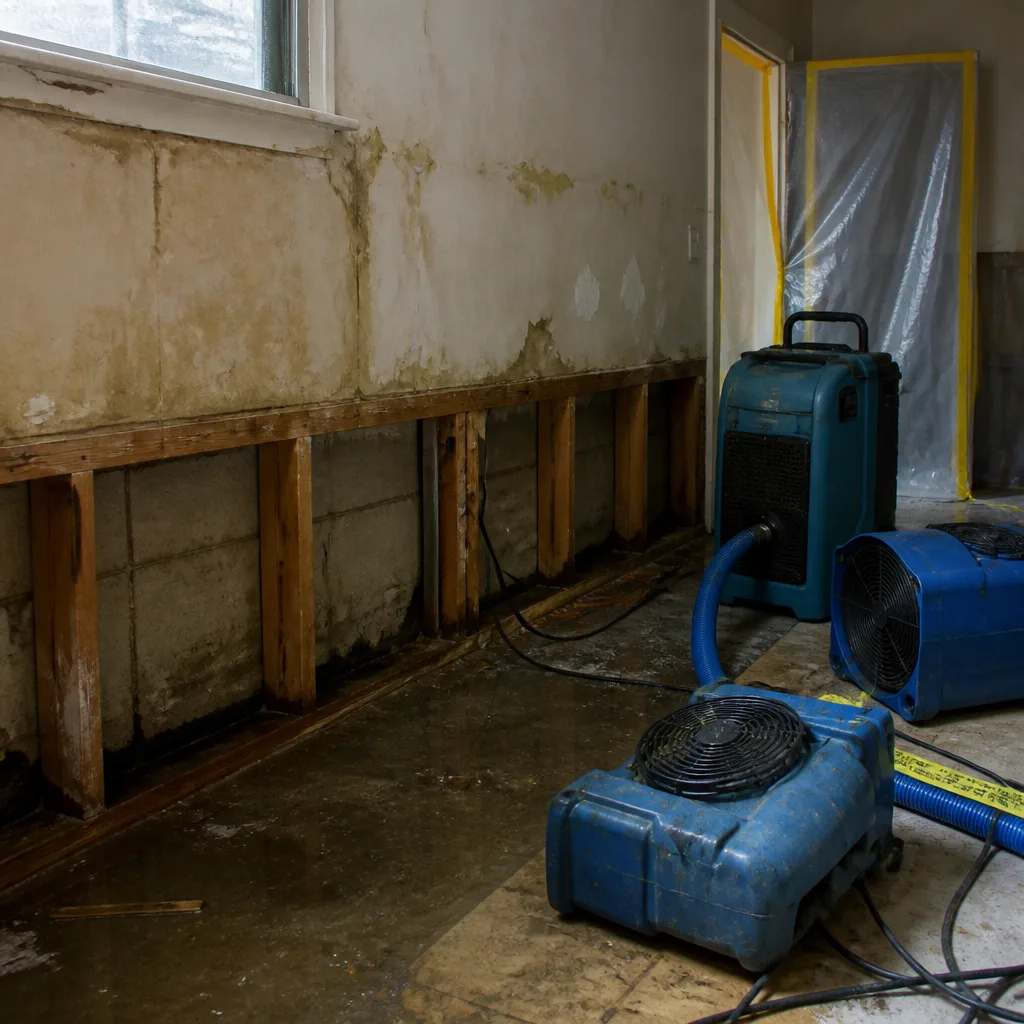 Before
 After
After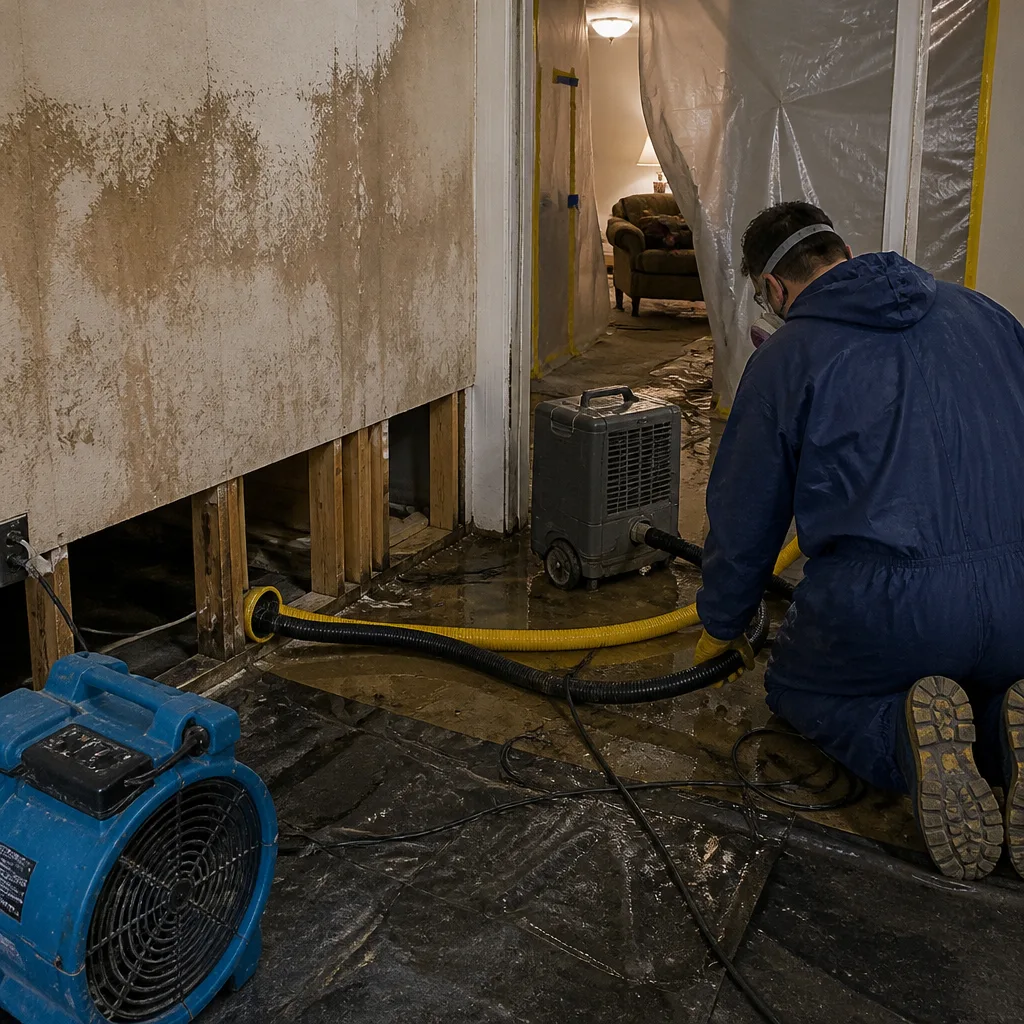 Before
 After
After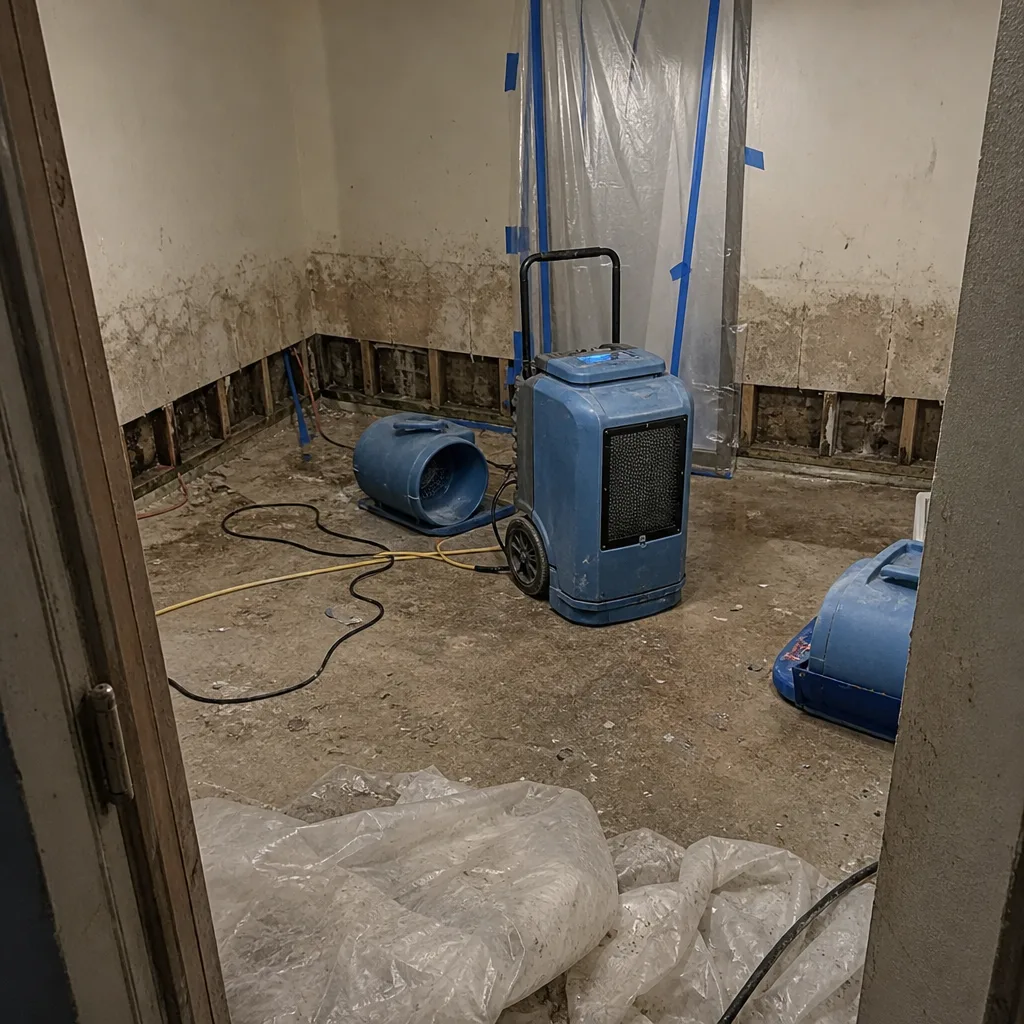 Before
 After
After