
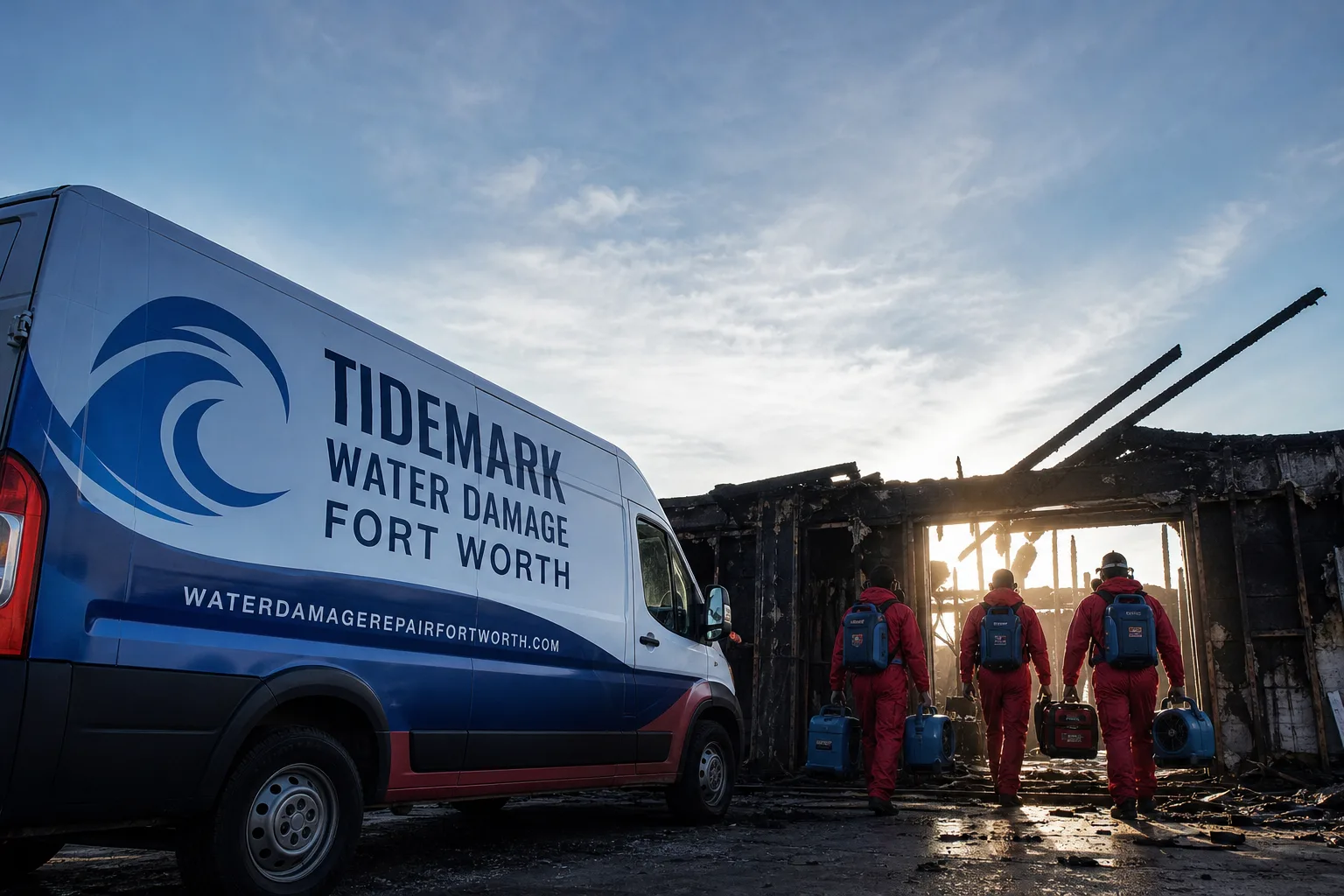
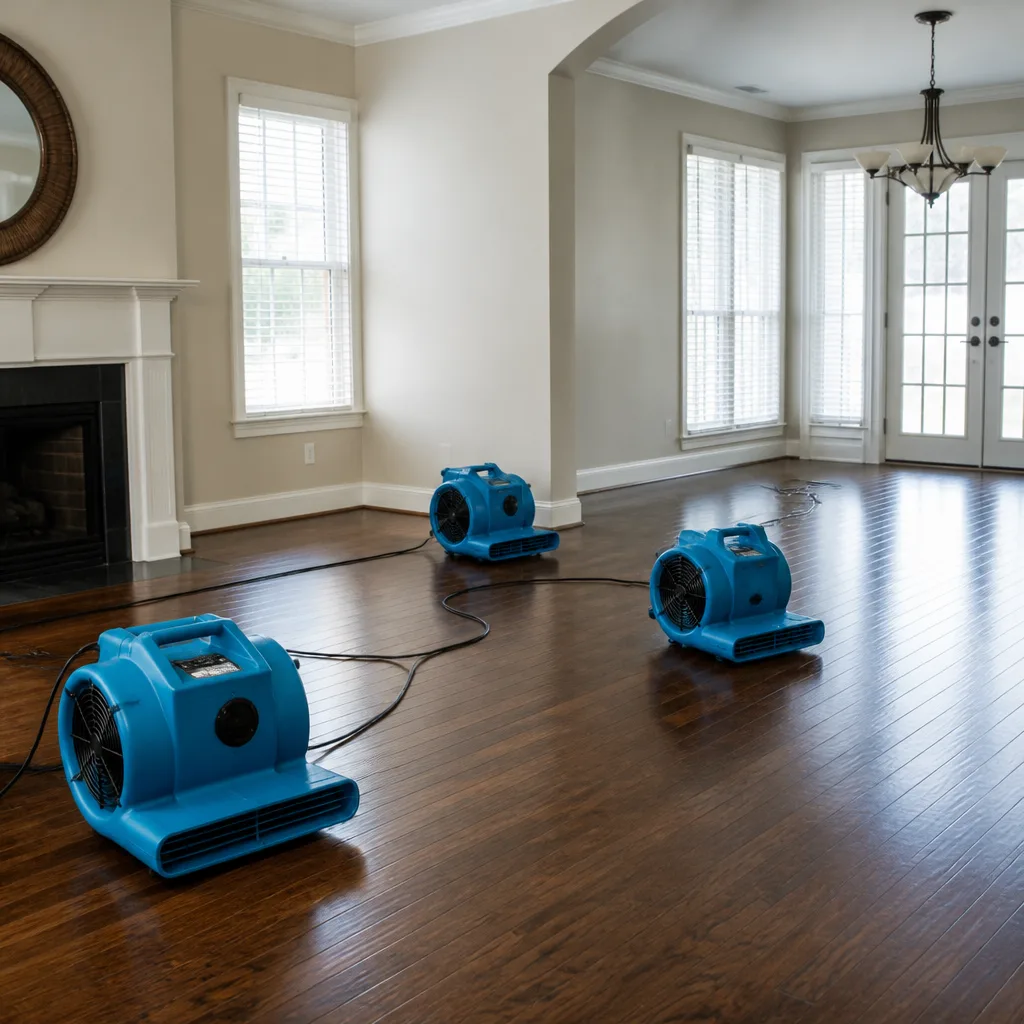
 Water damage drying
 Fire & smoke cleanup
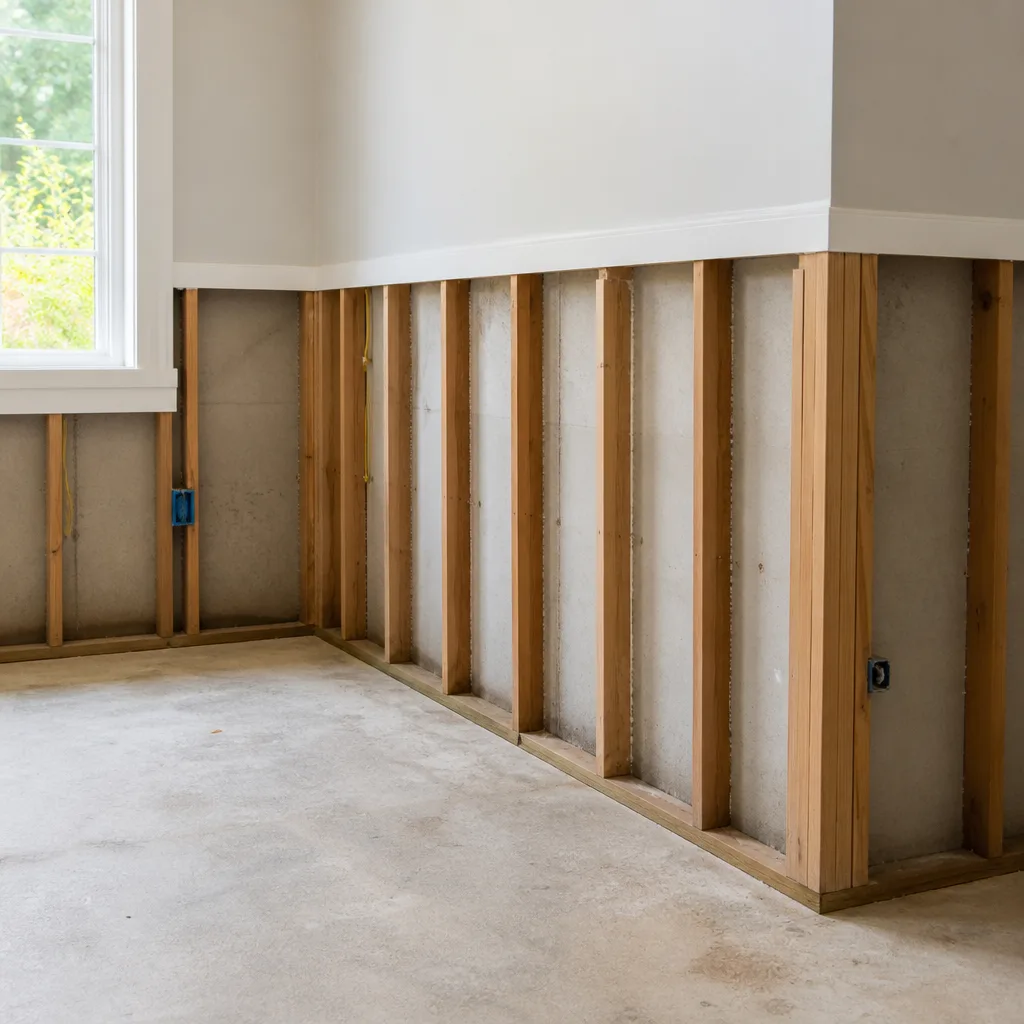 Mold remediation
 Storm response
 Sewage cleanup
 Reconstruction
Free visual inspection and a written scope of work before any mitigation begins - photos, moisture readings, and drying logs go in your claim file
The scope we write is the scope we bill. Anything new gets shown to you, in writing, before we touch it.
Get your free estimateFast, Reliable Water Damage Restoration Across Sansom Park
Water damage in Sansom Park moves fast and so do we. Most extraction and mitigation jobs in Sansom Park run between $1,800 and $5,400 depending on how far the water traveled, and you will see a written price before any equipment comes off the truck. Our crews know the neighborhoods near the West Fork of the Trinity River, the older slab homes along Roberts Cut Off Road, and the streets that flood first when the river rises. Call (682) 703-9856 and a live person answers, day or night. We arrive with shoe covers, drop cloths, and a clear plan for your home.
Why Tidemark Water Damage Fort Worth Is Sansom Park’s Preferred Water Damage Restoration Company
Sansom Park homeowners call us because we understand what this particular part of Tarrant County deals with: river flooding, slab leaks in 1960s construction, and the kind of repeat water intrusion that big national franchises treat as a one-time job. Rick Sumner leads our restoration work with a simple standard: find the tide mark, dry past it, and leave the house cleaner than we found it. Our technicians are background-checked, uniformed, and credentialed through IICRC, RIA, and IFA. They run Dri-Eaz and B-Air drying equipment that most homeowners never see outside a commercial restoration fleet.
What that means for a Sansom Park family: a crew that respects nap time, uses lower-decibel settings when school is out, and explains every step before touching a wall. We are independently owned and operated, working to the Cedarwell Care Promise. Every job includes a written price before work starts and a photo of the clean-up before we leave. That photo matters: you should see exactly what was done and how the floor looked when we walked out.
Restoration work we handle
Flooded Basement in Sansom Park
A flooded basement in Sansom Park is rarely just a basement problem. In this city, water enters low-lying homes through foundation vents, window wells, and floor drains that back up when the Trinity River system overflows. The first hour matters. Standing water in a Sansom Park basement carries silt, river debris, and often Category 3 contaminants. We extract the water, remove saturated materials, and begin structural drying. A typical flooded basement job in Sansom Park runs $2,200 to $6,800 depending on square footage and how long the water sat.
Basement Water Removal and Containment
Our crew sets up containment so river water does not travel into living spaces on a homeowner’s shoes or through shared HVAC return air. Truck-mounted extraction pulls standing water quickly. Then Injectidry drying mats and dehumidifiers go to work on the slab and any finished walls. We monitor moisture daily until readings match the home’s pre-loss baseline.
When River Silt Changes the Job
Floodwater from the Trinity is not clean water. Silt and organic material from the West Fork get pushed into basements near the river, and that changes the restoration approach. We remove and dispose of saturated carpet, pad, and drywall that cannot be safely dried. Studs are treated with antimicrobial after drying, not before, because the wood must reach a moisture content where treatment actually works. Sansom Park homeowners get a written scope for this before demolition starts.
Water Extraction in Sansom Park
Water extraction in Sansom Park begins with finding the tide mark, the line water leaves on drywall, baseboard, or concrete. In older slab homes here, that line often starts at a corroded cast-iron supply line inside the slab and works its way up through flooring and drywall. Extraction alone runs $850 to $2,400 for a contained loss in a single room. When river flooding is involved, the number climbs because contaminated water requires containment and disposal, not just removal.
Slab Leak Detection Before Extraction
In Sansom Park’s 1950s through 1980s housing stock, hidden slab leaks are common. We map moisture across the slab with meters before cutting anything open. That tells us whether the water is coming from a break in the supply line, a failed drain line, or wicking from saturated soil after a flood. Extraction is the first step, but a Sansom Park home with a slab leak needs the source addressed or the water returns.
Extraction Equipment and Drying Standards
We run truck-mounted Dri-Eaz extraction units and B-Air air movers sized to the room, not the hallway. The goal is fast removal of free water, then controlled evaporation. In Sansom Park’s older homes with brick veneer or wood siding, we check exterior walls for trapped moisture after flash floods. Equipped with XPOWER and Phoenix dehumidifiers, our techs dry past the tide mark, not just to the surface.
Trusted Brands We Service in Sansom Park
Sansom Park homeowners often ask whether we service the equipment we bring in. We run our own fleet of Dri-Eaz, Phoenix, XPOWER, B-Air, and Injectidry machines, maintained and calibrated between jobs. That matters in a city where a second flood season can hit months after the first. Parts and replacement units are stocked locally for Sansom Park customers, so a failed dehumidifier at 11 p.m. does not stall a drying job until Monday. Our IICRC-credentialed technicians know these machines well enough to diagnose and swap a unit on the spot, which keeps your restoration on schedule.
Common Water Damage Restoration Problems We See in Sansom Park Homes
- Corroded cast-iron and galvanized supply lines in slab foundations. Homes built in the 1950s through 1980s here often have original plumbing under the slab that fails without warning. Water travels unseen through the concrete until flooring warps or mold shows up at the baseboard.
- Repeated river flooding on low-lying streets near the West Fork. Some Sansom Park neighborhoods flood so often that homeowners have elevated foundations and flood vents installed. Saturated soil under the slab keeps wicking moisture through the concrete long after the visible water is gone.
- Moisture trapped behind 1970s wood siding and brick veneer. Flash floods push water through exterior walls, but the interior drywall often looks untouched. We find rot and mold behind the siding weeks later, which is why our drying plan includes exterior wall checks on every flood job.
- Foundation vents that let floodwater into the home. Vents are necessary for airflow, but during a Trinity River overflow they become entry points for contaminated water. We inspect and document what entered through the vents and factor that into the restoration scope before any drywall is opened.
See the difference
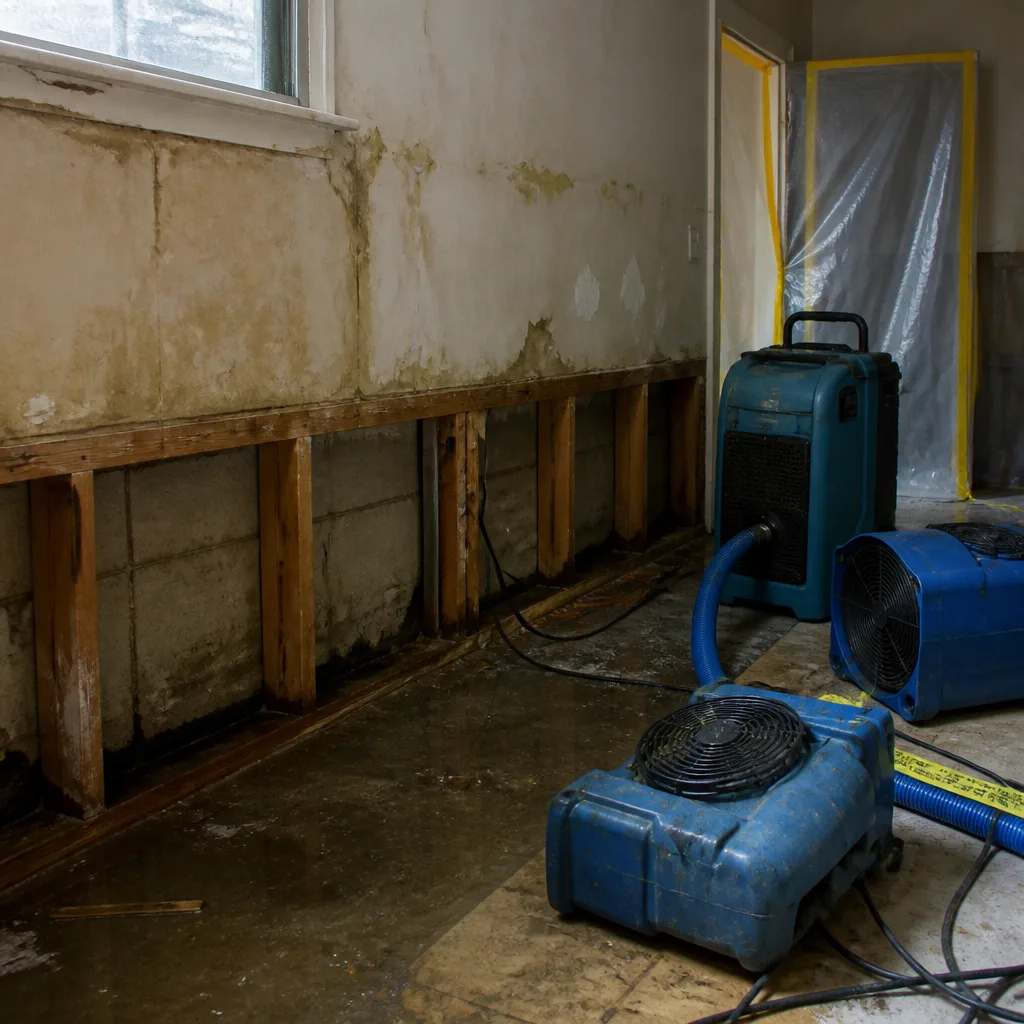 Before
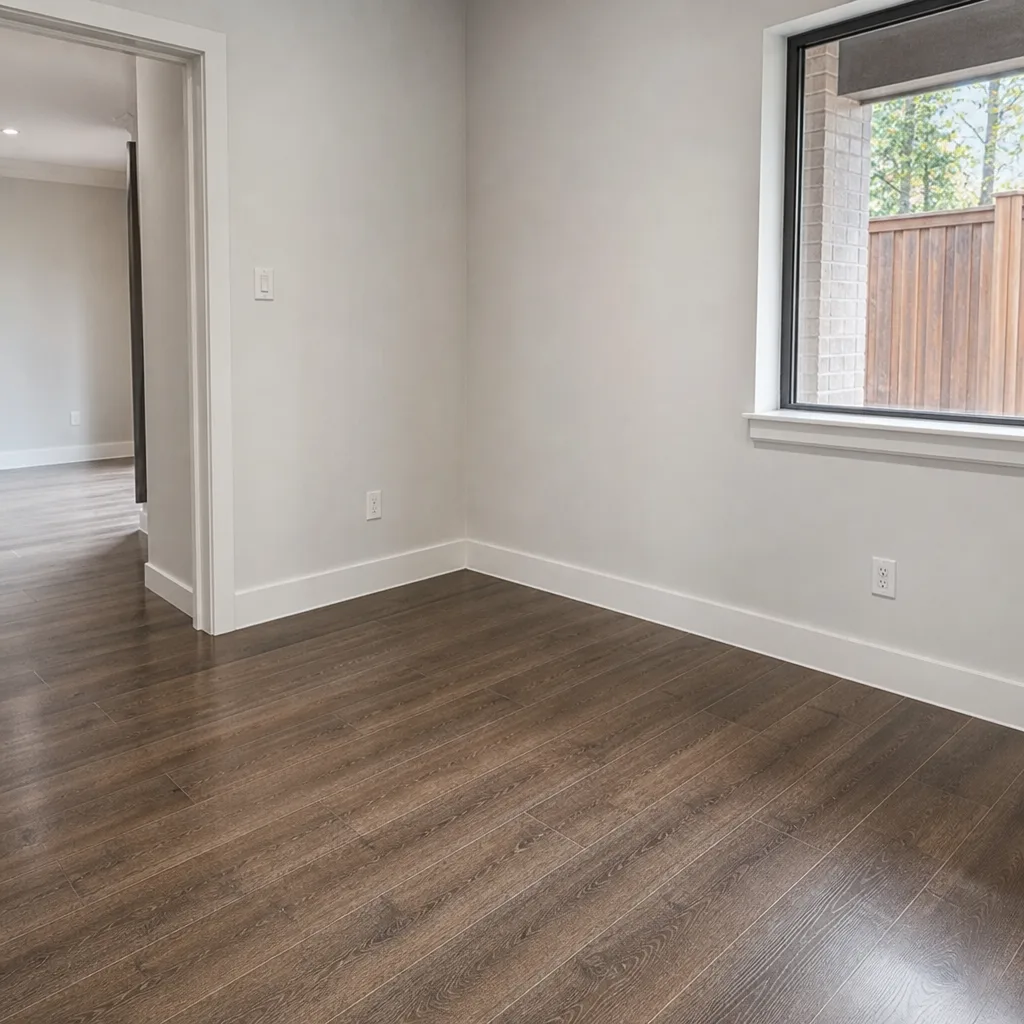 After
After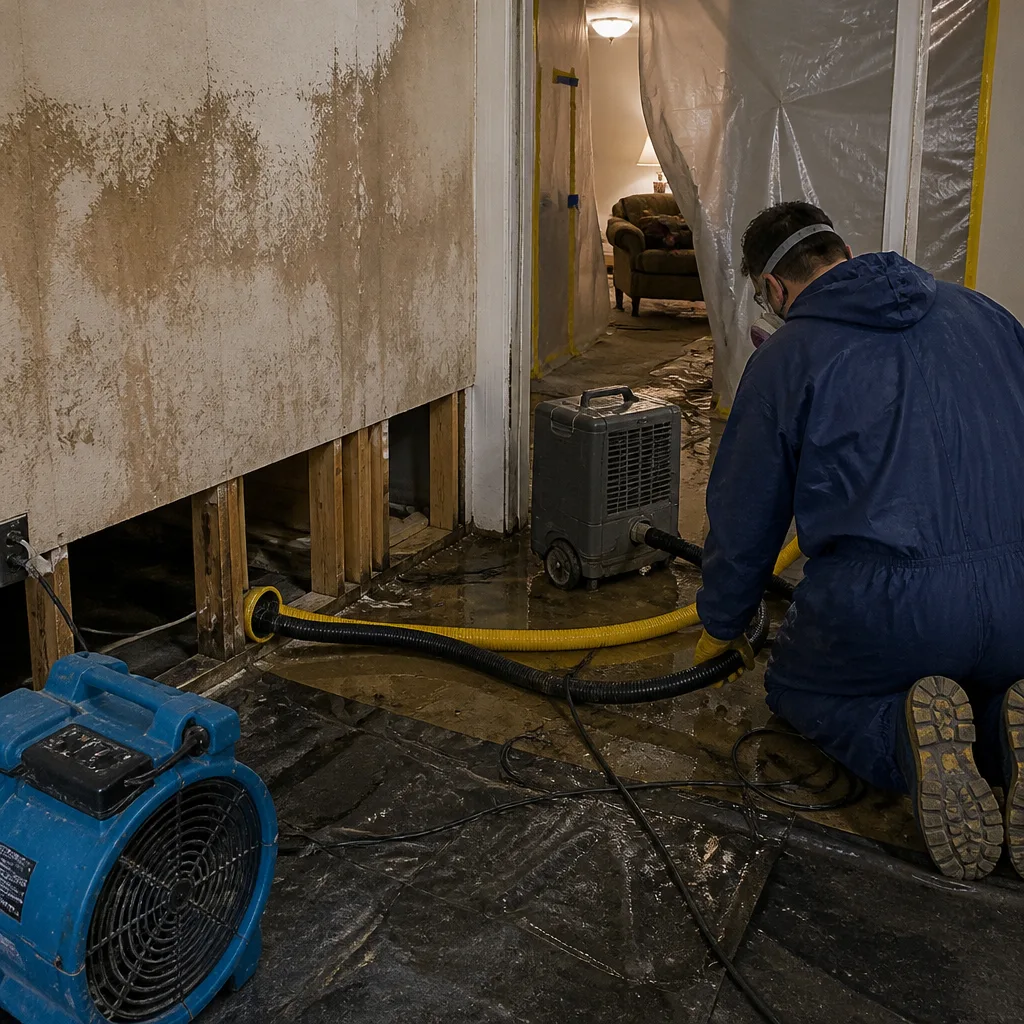 Before
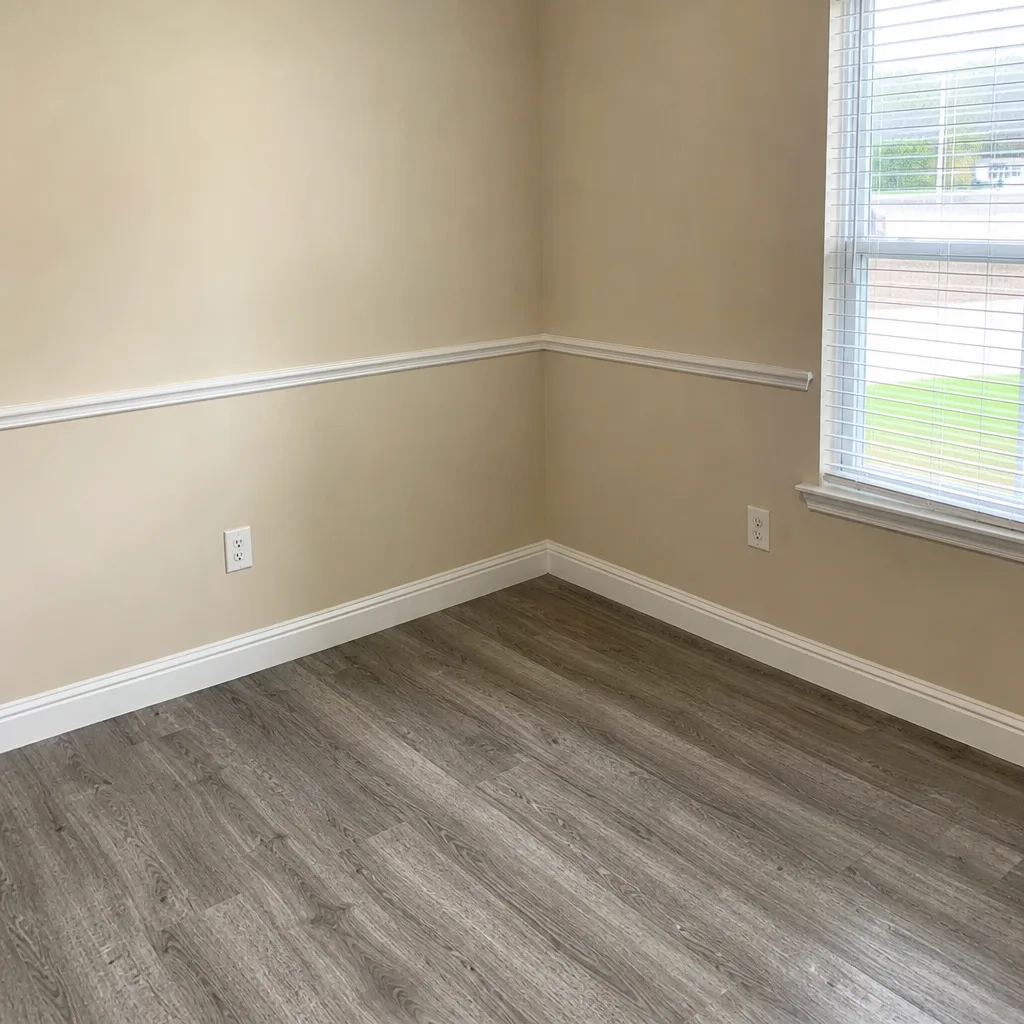 After
After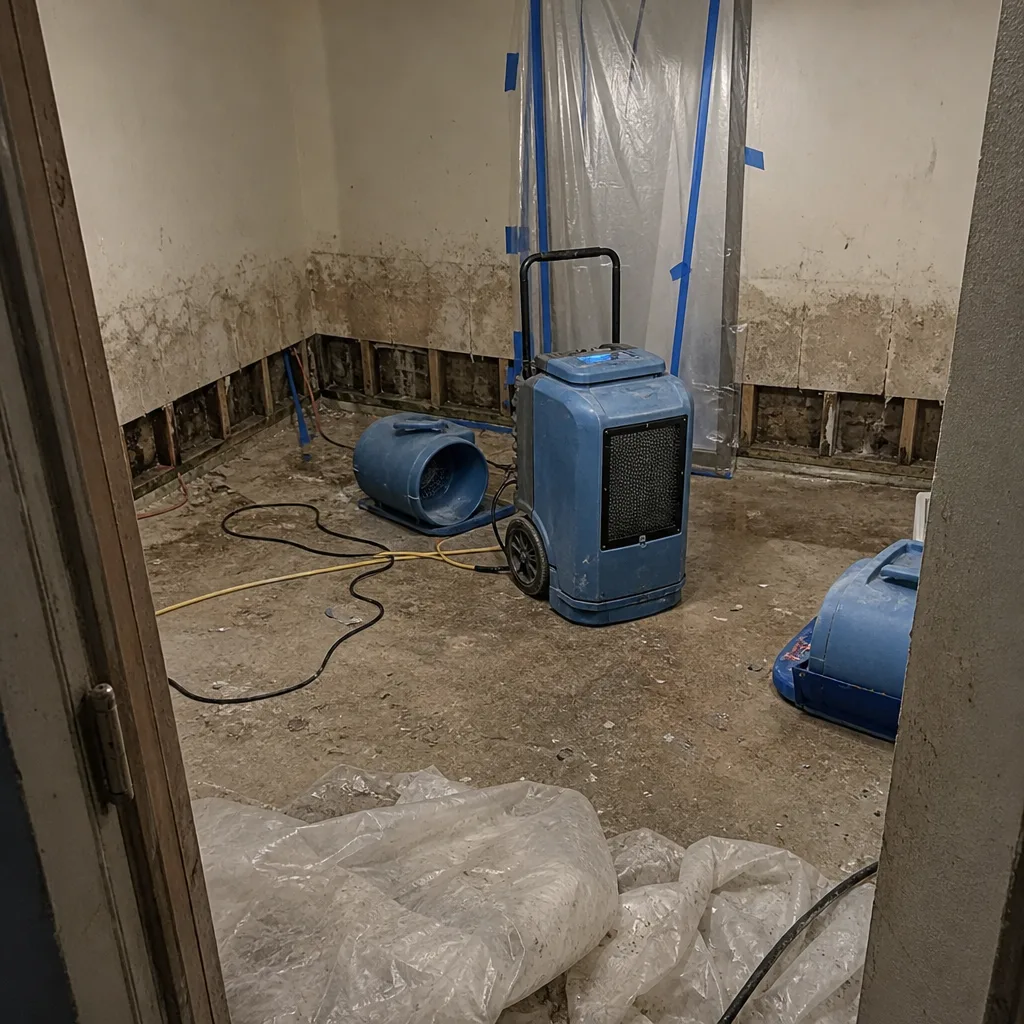 Before
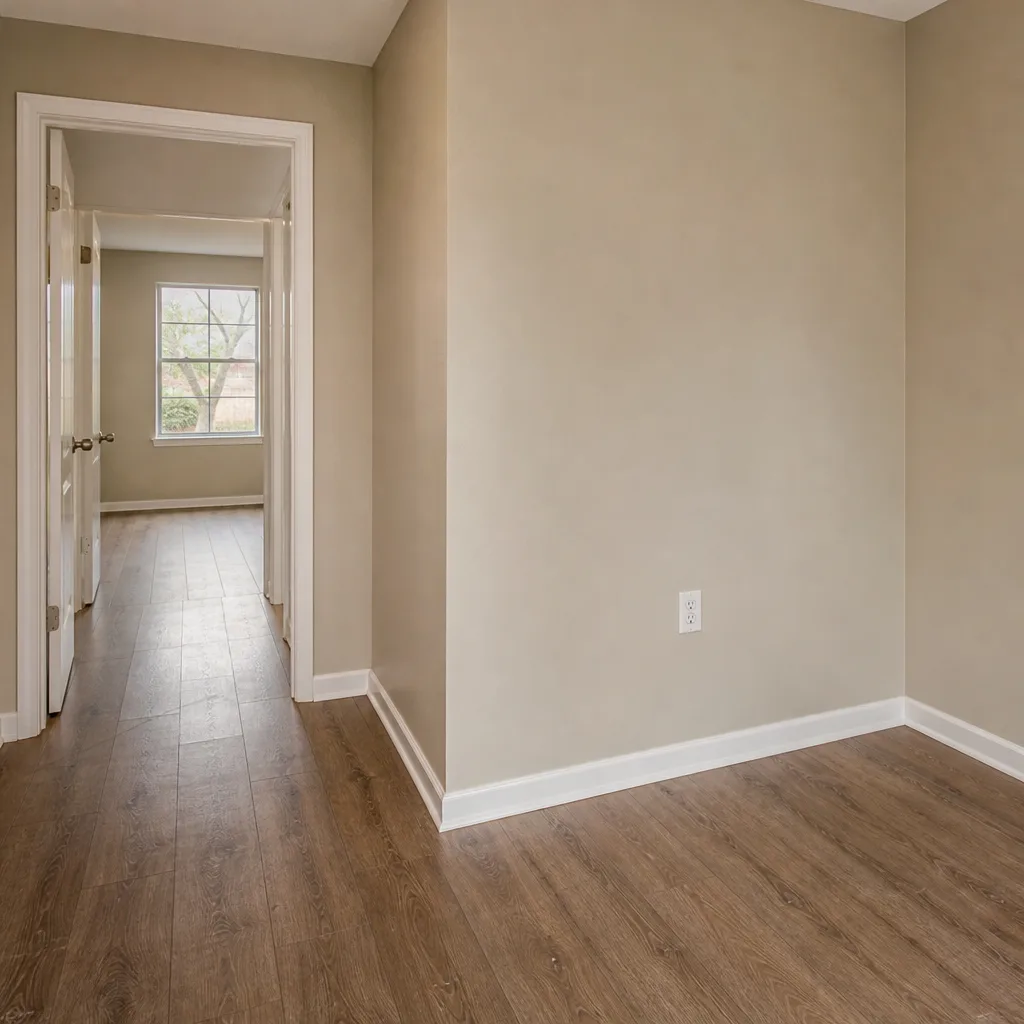 After
AfterPricing for Water Damage Restoration in Sansom Park, TX
- Emergency water extraction: $850 to $2,400 for a single contained room.
- Structural drying and dehumidification: $1,200 to $3,800 depending on square footage and how far moisture spread.
- Flooded basement cleanup (Category 3, river water): $2,200 to $6,800 including demolition, disposal, drying, and antimicrobial treatment.
- Burst pipe restoration with drywall repair: $1,800 to $5,400 for a typical Sansom Park home.
- Ceiling and roof leak water damage: $1,400 to $4,200 depending on the extent of drywall replacement and drying needed.
These are honest Sansom Park market numbers, not national averages. A slab leak that requires cutting through the foundation floor will push toward the higher end. A clean water loss caught within the first hour will land at the lower end. Call (682) 703-9856 for a free estimate, and we will give you a written number before anyone picks up a tool.
We Also Serve Cities Near Sansom Park
Our crews work throughout North Texas from the Dallas-Fort Worth office. That includes Water Damage Restoration services for homeowners in Fort Worth, Arlington, Mansfield, and North Richland Hills. If you are in one of those cities or anywhere near Sansom Park, call us and a live person will answer. Same crew standards, same written price first, same 365-Day Done Right Promise.
Serving Sansom Park, TX - Our Local Coverage Area
We’re based in the Sansom Park area and know this community well. Use the map below to see our service coverage - if you’re nearby, we can almost certainly help.
FAQs About Water Damage Restoration in Sansom Park
The fastest way to distinguish the two is a moisture meter reading on the slab itself. A broken supply line produces a localized, continuous wet spot that grows slowly, while floodwater wicking shows a broader moisture pattern across the slab and usually arrives with visible entry points at vents or doorways. If the water smells like river silt or sewage, it is almost certainly flood-related. We check both on every Sansom Park slab home, because the corrosion in 1960s cast-iron lines often fails right around the same time the river rises. Call (682) 703-9856 and we will map the moisture with our own equipment to find out.
Move children and pets to a dry area first, then shut off the main water valve if you can reach it safely. Do not walk through standing water that may carry contaminants from the Trinity. If the street drains are overwhelmed, do not go outside to check the water level. Call us immediately at (682) 703-9856. While you wait, unplug electronics in dry areas and keep doors to unaffected rooms closed. Do not run a consumer fan on floodwater, it blows contaminated air into your living space. Our crew arrives with containment, extraction, and a written scope ready.
Yes, in many cases we can dry original wood siding in place if we get to it within the first few days. The problem with 1970s siding in Sansom Park is that moisture gets trapped behind the boards while the exterior looks dry. We remove a few boards at the lowest course, map the moisture behind the wall, and decide from there. If the wood is punky or the moisture content stays above 20% after drying, replacement is the honest call. You will see the readings and the decision in writing before any demolition happens.
Flood vents change where water enters and where it leaves. Homes near the Trinity with vents and elevated foundations tend to shed water faster, but the water that does sit does so under the house, saturating the soil beneath the slab. That creates slow moisture wicking that keeps a house damp for weeks. We dry the subfloor cavity, not just the interior rooms. Elevated foundations also mean we inspect the piers and beams under the house, because repeated soaking weakens wood over time. Sansom Park homes with this setup get a drying plan that includes the crawlspace or sub-slab cavity, not just the living area.
Mitigation stops the damage from getting worse: extraction, drying, antimicrobial treatment, debris removal. Restoration puts the home back to its pre-loss condition: drywall, paint, flooring, trim, and any structural repair. In Sansom Park homes that have flooded more than once, mitigation is the urgent first call and restoration is the scheduled second phase. We handle both, and you get a written scope for each separately. That way you are not paying restoration prices for a mitigation-only need. Call (682) 703-9856 and we will walk you through what your specific loss requires.
What Sansom Park Homeowners Should Know About River-Flood Restoration
Sansom Park’s position along the West Fork of the Trinity River means many homes near the river and its tributaries have experienced repetitive flood losses. Some streets flood first when the river rises, and the people who live there know exactly which ones they are. Our work in this city often starts with that local knowledge: which addresses along Cravens Road and the low-lying blocks near the river take water first, and which slab homes have been through this before.
Last spring, our crew was called to a 1960s slab-on-grade home near the Trinity River after heavy rains overwhelmed the storm drains on a low-lying street. Water had seeped from a corroded cast-iron supply line in the slab and mixed with Category 3 floodwater that entered through the foundation vents. We set up containment in the living room, extracted standing water with truck-mounted Dri-Eaz equipment, and mapped moisture across the slab to find the hidden leak. After cutting out saturated drywall and treating the studs with antimicrobial, we ran structural drying with air movers and dehumidifiers until our moisture readings matched the home’s pre-loss condition.
That is what river-flood restoration in Sansom Park actually looks like. Not a generic checklist, but a job that accounts for the slab, the vents, the saturated soil, and the old plumbing all at once. Sansom Park homeowners deal with a particular kind of water damage that no national franchise manual covers. Our technicians live in this trade here, and the tide mark is the first thing they look for on every job.
Call Tidemark Water Damage Fort Worth for Water Damage Restoration in Sansom Park
If water is coming into your Sansom Park home right now, call (682) 703-9856. A live person answers 24 hours a day, 7 days a week. You will get a written price before any work starts, shoe covers and drop cloths on every visit, and a photo of the clean-up before the crew leaves. Rick Sumner and our IICRC-, RIA-, and IFA-credentialed technicians are ready to respond to Sansom Park with Dri-Eaz, B-Air, and XPOWER drying equipment already loaded on the truck. The 365-Day Done Right Promise stands behind every job we do. When the river rises or a slab line fails, call Tidemark Water Damage Fort Worth. We know Sansom Park, and we dry past the tide mark.
Written by Rick Sumner, Owner at Tidemark Water Damage Fort Worth, serving Sansom Park and surrounding North Texas communities since 2006.